Cook’s Endeavour Observes the Transit of Venus
An astronomical mission in the Pacific grew into a voyage with lasting consequences.
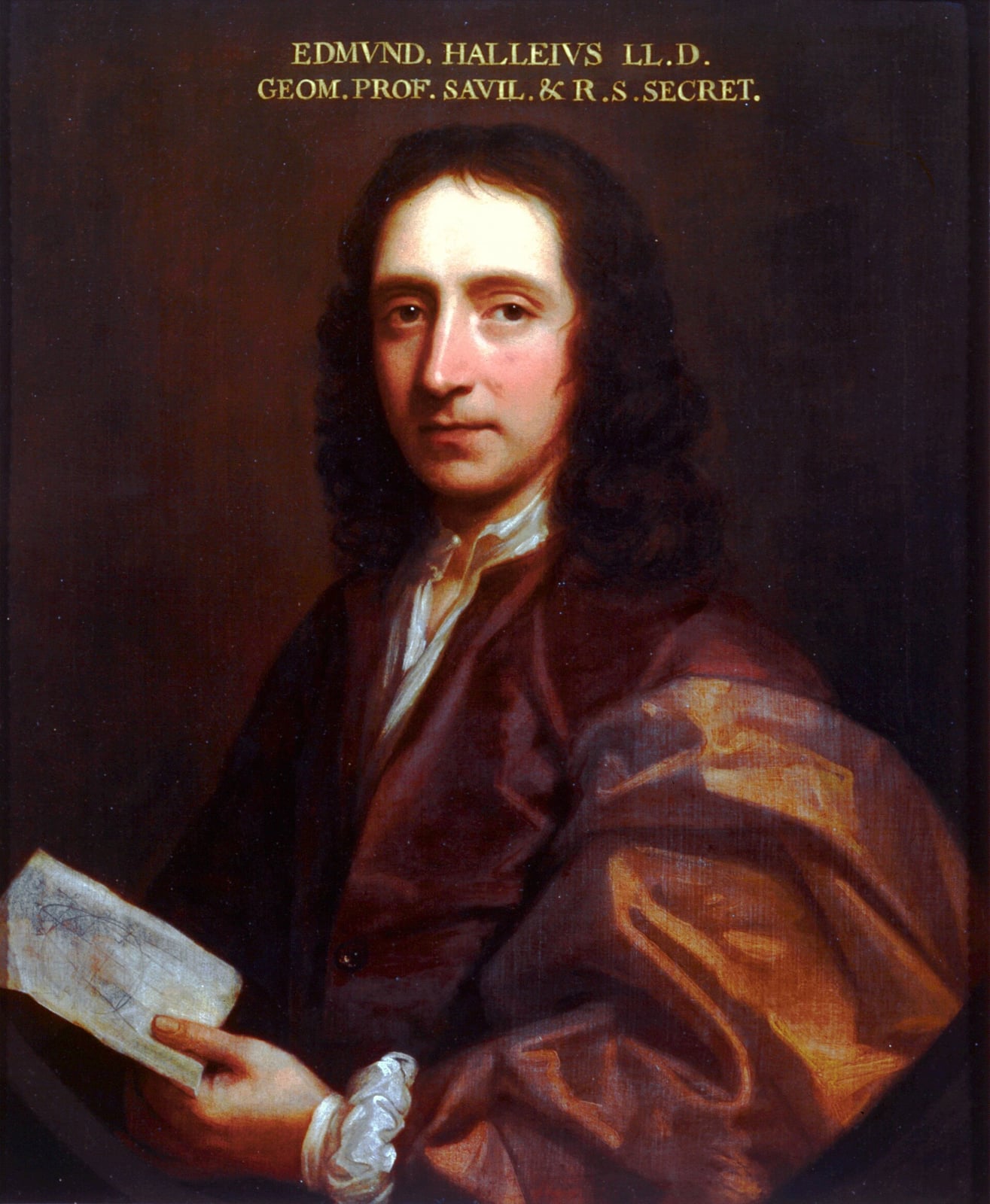
In August 1768, Lieutenant James Cook sailed from Plymouth aboard HMS Endeavour on an expedition organized by the Royal Navy and the Royal Society. The venture had been prompted by a petition to King George III to fund the observation of the 1769 transit of Venus across the Sun. Royal Society planners hoped the planetary passage would help calculate the distance between Earth and the Sun, and Alexander Dalrymple had sought to lead the voyage. The Admiralty, wary of civilian leadership after past insubordination under Edmond Halley, insisted on a naval officer and chose Cook for his surveying and mathematical background.
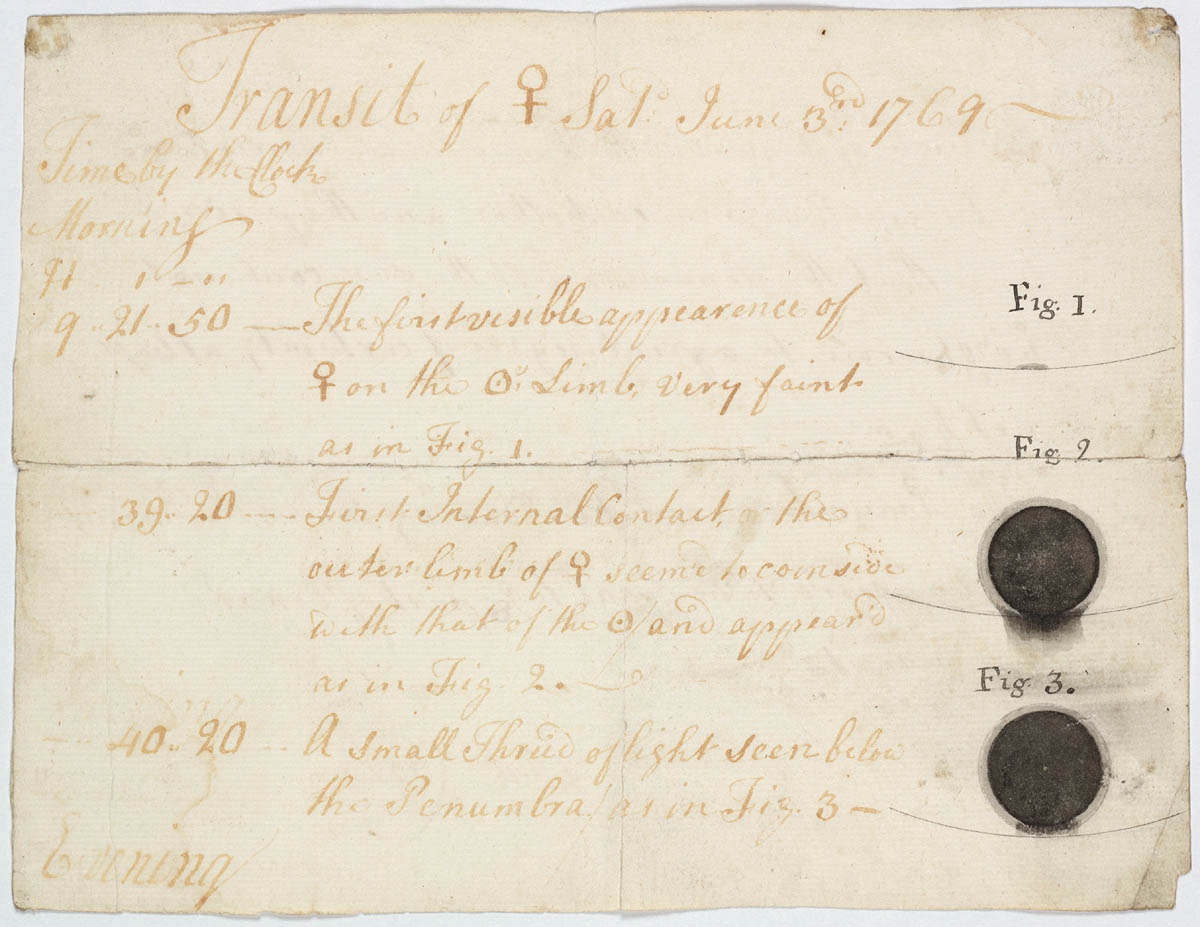
Endeavour arrived at Matavai Bay in Tahiti in April 1769, where the crew erected a fort and temporary observatory before the event on 3 June. Astronomer Charles Green, naturalist Daniel Solander, and Cook each watched the transit through reflecting telescopes under clear skies. When they compared their records, however, the recorded times of contact diverged beyond their anticipated margin of error. Optical disturbances during the sighting compromised the accuracy of their numbers, meaning the results were far less conclusive for planetary calculations than organizers in London had anticipated.

Keep reading in Yester
Coming soon to the App Store
Keep following the story
Sources
Image: James Cook