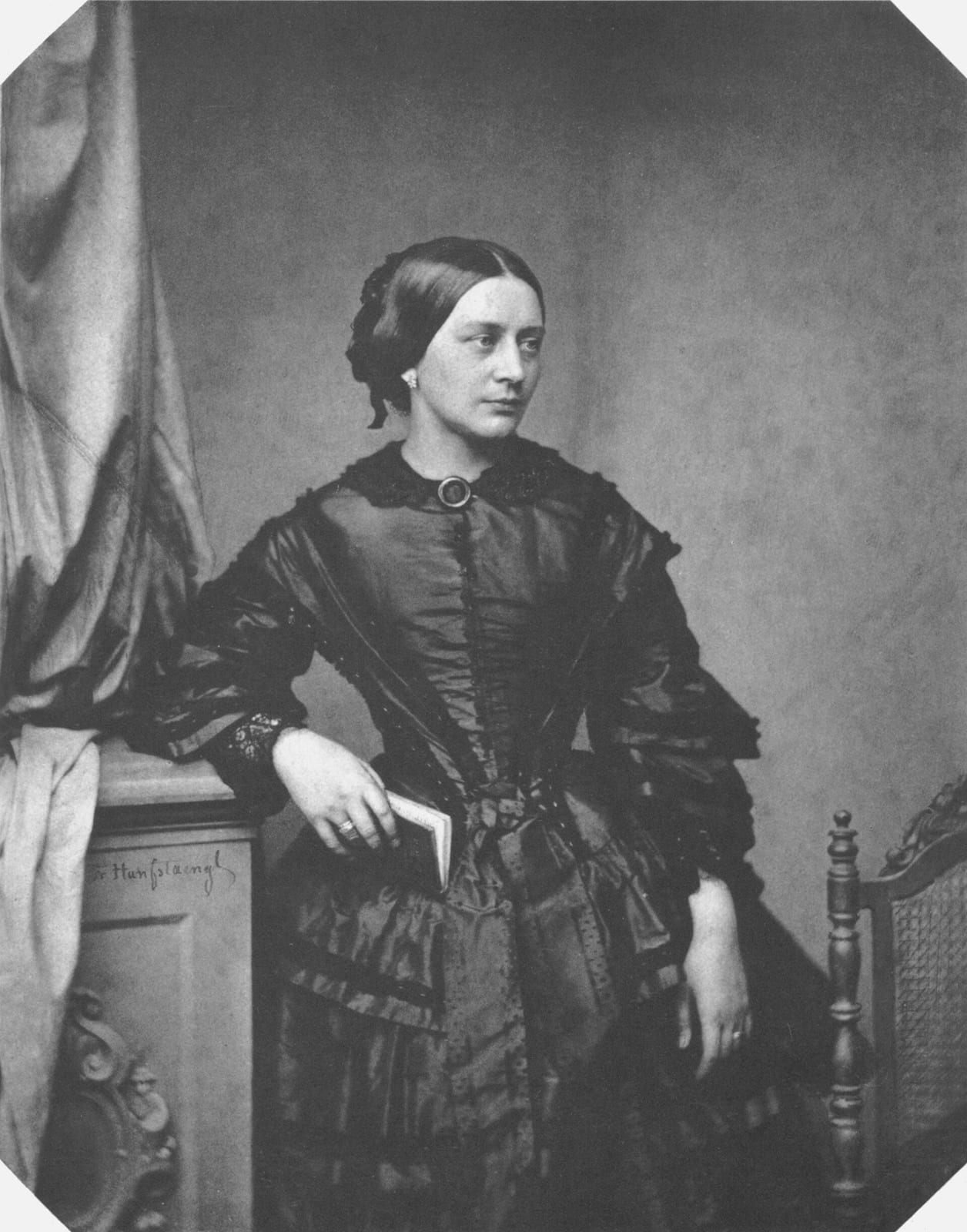
Clara Schumann Builds a Musical Life Beyond the Prodigy
Early compositions and performances began a career that lasted decades. Understanding it means treating Clara Schumann as a working musician, not simply an accessory to another composer’s biography.
Clara Wieck first performed at the Leipzig Gewandhaus in 1828, at age nine, and gave her first solo concert there in November 1830, after rigorous training orchestrated by her father, Friedrich Wieck. Following her parents' divorce in 1824, her father retained custody and carefully directed her daily regimen, combining lessons in piano, violin, singing, composition, and theory with strict practice schedules. In 1831 she began concert tours with her father, first to Dresden and Weimar and then, in early 1832, to Paris, marking a transition from childhood novelty to established concert artist.
During these formative years, Wieck established herself as a serious composer alongside her stage work. She produced her Quatre Polonaises pour le pianoforte in 1831 and began her Piano Concerto in A minor in adolescence and completed it in 1835, later performing it with the Leipzig Gewandhaus Orchestra under Felix Mendelssohn's direction. Her Viennese recitals in the late 1830s brought wide critical acclaim, leading Austria to award her the title of Royal and Imperial Austrian Chamber Virtuoso. Meanwhile, her personal life faced legal obstacles when her father vigorously opposed her engagement to composer Robert Schumann, compelling the couple to petition a court before they could marry in September 1840.

Keep reading in Yester
Coming soon to the App Store
Keep following the story
Sources
Image: Franz Hanfstaengl