Grieg’s Piano Concerto Finds a Voice Between Traditions
A concerto composed in 1868 placed a distinctive musical voice inside an established European form. Its enduring appeal grew from craft and contrast, not from a simple musical postcard.
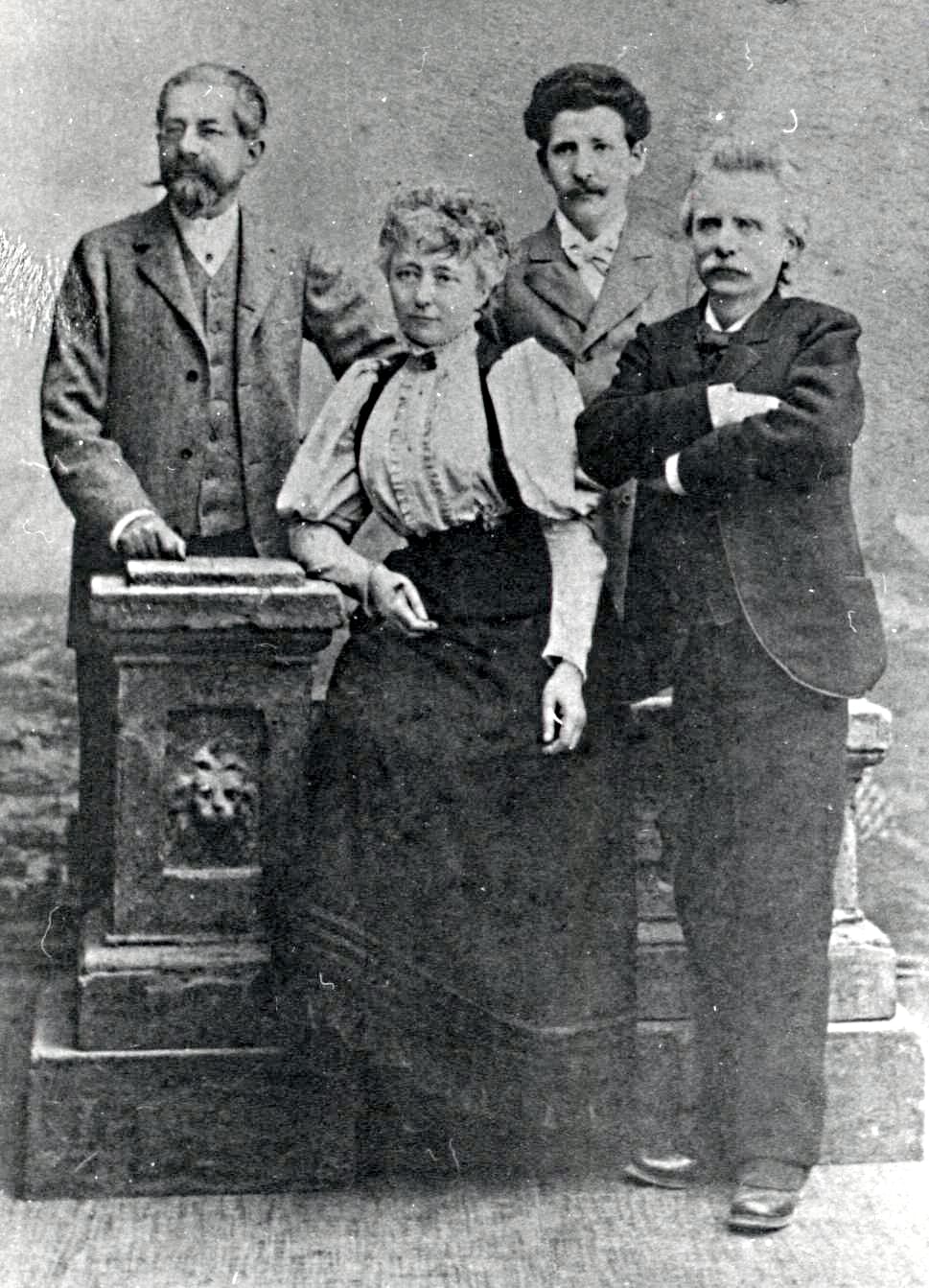
In 1868, during a stay in Søllerød, Denmark, Norwegian composer Edvard Grieg drafted his Piano Concerto in A minor, Op. 16. It was to become the only completed concerto of his career. Having studied in Leipzig under Ernst Ferdinand Wenzel, Grieg operated within the central European musical sphere while developing an idiom marked by the folk traditions of his homeland. A formative encounter had taken place a decade earlier in 1858, when he heard Clara Schumann perform the A minor concerto written by her husband, Robert Schumann. That work provided a tangible architectural precedent, sharing the same key, a comparable opening descent for the keyboard, and broad stylistic affinities.
Rather than copying German Romantic models directly, Grieg synthesized them with distinct regional gestures. The famous opening flourish incorporates an interval pattern featuring a falling minor second followed by a falling major third, a melodic contour characteristic of Norwegian folk music that Grieg also employed in pieces such as his First String Quartet. The three-movement architecture balances formal tradition with these idioms. The first movement unfolds in sonata form with an opening timpani roll, a contrasting secondary theme in C major, and a substantial cadenza. It is followed by an Adagio in ternary form set in D-flat major, which moves without pause into the finale.

Keep reading in Yester
Coming soon to the App Store
Keep following the story
Sources
Image: Unknown author Unknown author