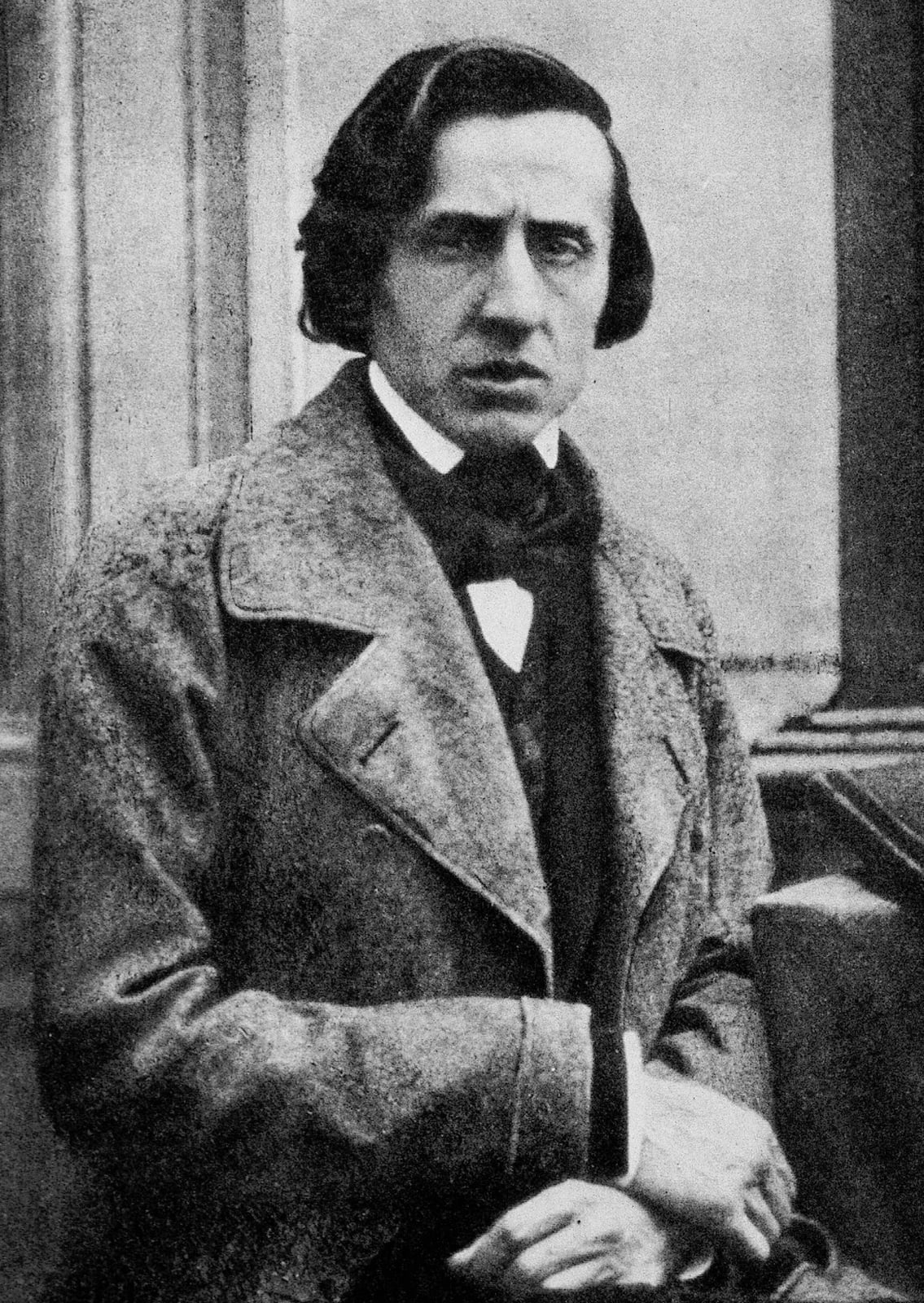
Chopin Finds a New Musical Life in Paris
Migration helped shape the career of a composer whose piano music retained Polish connections.
In November 1830, the twenty-year-old Frédéric Chopin departed Warsaw, intending to travel across western Europe to build upon his early domestic triumphs. Less than a month later, armed conflict erupted at home in the November Uprising. Chopin found himself marooned abroad in Vienna, deeply shaken by news from Poland and regretting his departure. After learning while en route that Russian forces had crushed the rebellion in September 1831, he recorded his private torment in a personal journal. Rather than returning eastward, he secured transit permission across France, arriving in Paris in October 1831. He never returned to his homeland, joining the extensive wave of expatriates known as the Polish Great Emigration.
Paris provided Chopin with access to prominent cultural circles and an influential community of fellow exiles. Julian Fontana, an old companion from his studies at the Warsaw Conservatory, eventually served as his copyist and general assistant, while the financier Albert Grzymała became a trusted adviser. Despite taking French citizenship in 1835 and using French versions of his names, Chopin maintained that he viewed himself as Polish and never felt entirely at ease conversing in French. His arrival also linked him with prominent European musicians, including Felix Mendelssohn, Hector Berlioz, and Franz Liszt, who had attended Chopin's formal Parisian debut in February 1832 at the salons of Camille Pleyel.

Keep reading in Yester
Coming soon to the App Store
Keep following the story
Sources
Image: Louis-Auguste Bisson