Swan Lake Begins a Complicated Stage History
A ballet’s later success depended on transformations after its first production.
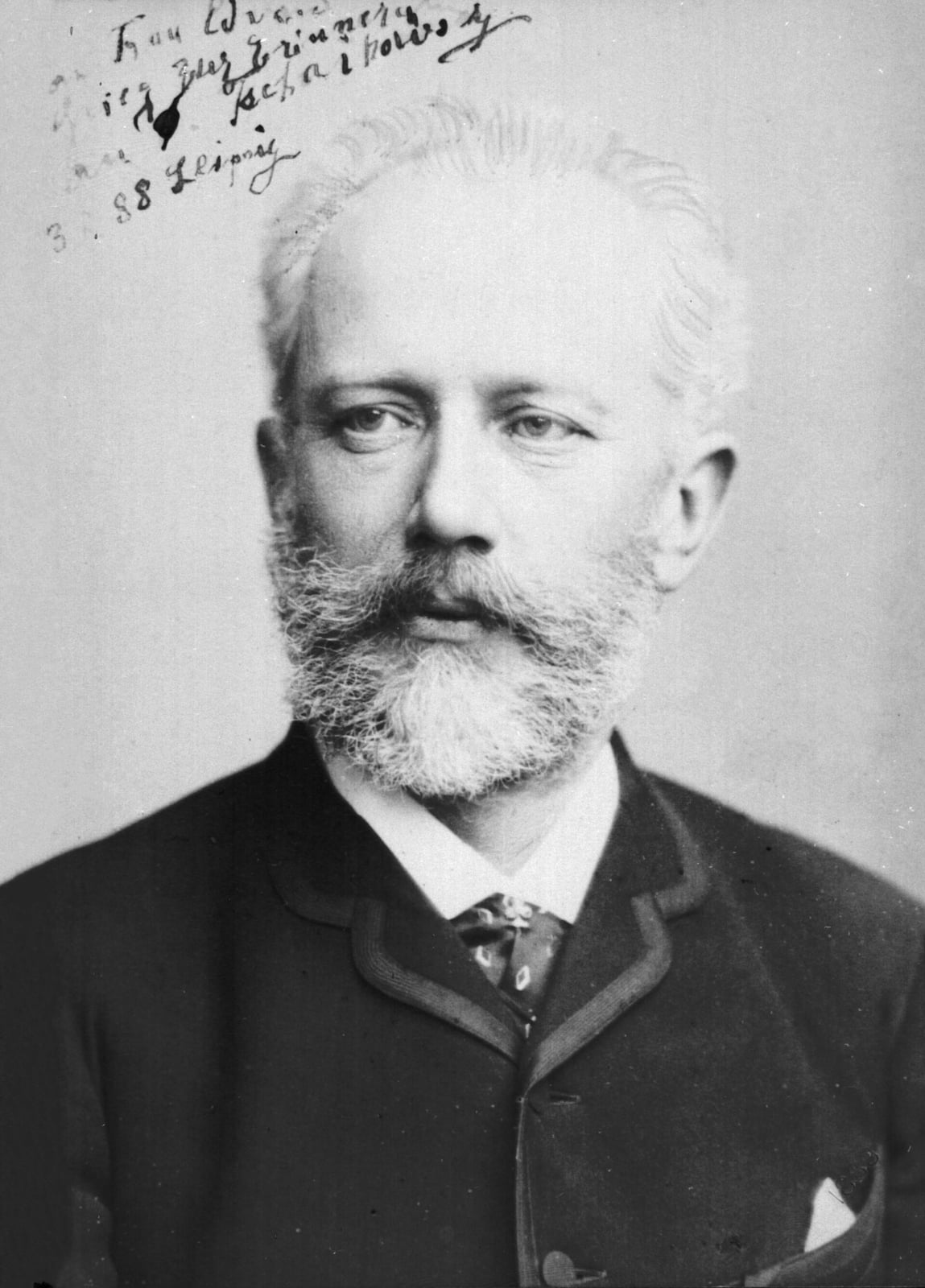
On 4 March 1877, the Bolshoi Ballet in Moscow premiered Swan Lake, a new full-length ballet set to music commissioned from Pyotr Ilyich Tchaikovsky. The narrative drew on folk elements tracing a princess cursed to live as a swan, but the initial production met with sharp criticism. Reviewers found the choreography by Julius Reisinger uninspired, the visual staging poor, and Tchaikovsky's score overly complicated, noisy, and symphonic for dance accompaniment. The leading role of Odette was danced by Pelageya Karpakova at her own benefit performance, in the absence of the company's prima ballerina, Anna Sobeshchanskaya. Despite the unpromising reception, the staging remained in the Bolshoi repertory until the 1882-83 season before disappearing from the Moscow stage.
Tchaikovsky had composed the work rapidly between 1875 and early 1876, driven by a commission arranged by the director of the Moscow Imperial Theatres, Vladimir Begichev. Writing ballet music was then dominated by specialist composers who supplied lighter, rhythmically plain scores. Tchaikovsky looked to traditional ballet structures but incorporated dramatic leitmotifs, recycled sections from his unproduced operas, and personal musical ideas. The rehearsal period was strained. Reisinger dismissed portions of the score as undanceable and attempted to substitute music by other composers, which Tchaikovsky firmly resisted. Even the origins of the storyline remained unsettled, attributed variously to Begichev, Reisinger, folk collections, or Tchaikovsky's own earlier domestic theatricals.

Keep reading in Yester
Coming soon to the App Store
Keep following the story


Sources
Image: Atelier E. Bieber, Hamburg (probably by Leonard Berlin (1841-1931))