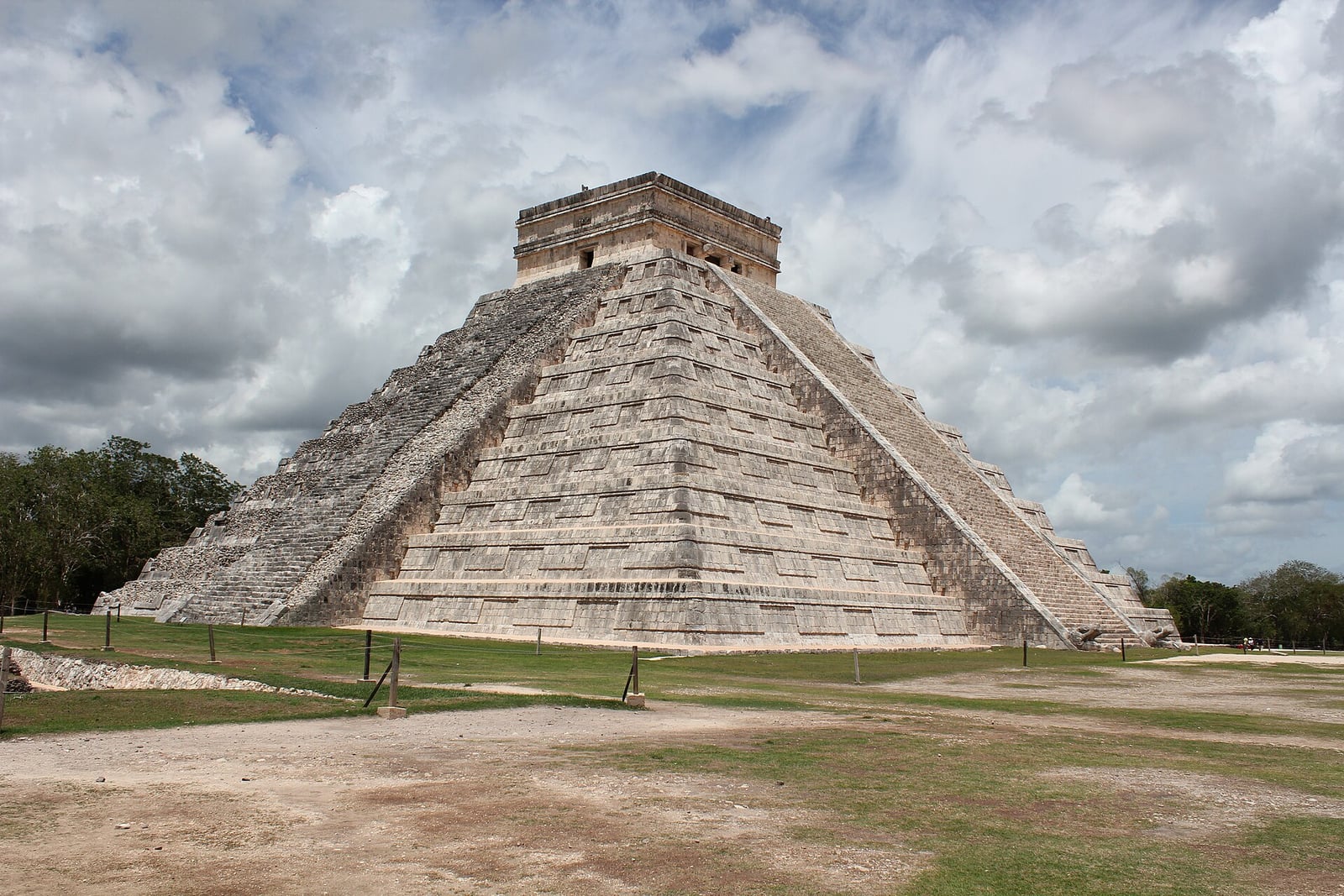
Chichen Itza Becomes a Major Maya Center
Monuments preserve evidence of power, ritual and connections across regions.
Located on the limestone plains of the northern Yucatan Peninsula, Chichen Itza developed into one of the most prominent urban centers in pre-Columbian Mesoamerica. The site emerged in a landscape devoid of surface rivers, where access to freshwater relied on natural sinkholes known as cenotes. These geological formations expose the subterranean water table and provided a reliable water supply that supported settlement. Earlier inscriptions identify the settlement under names such as Uuc Yabnal, but the arrival of the Itza, an ethnic-lineage group, helped reshape the city into a dominant political and economic power across the northern Maya lowlands.
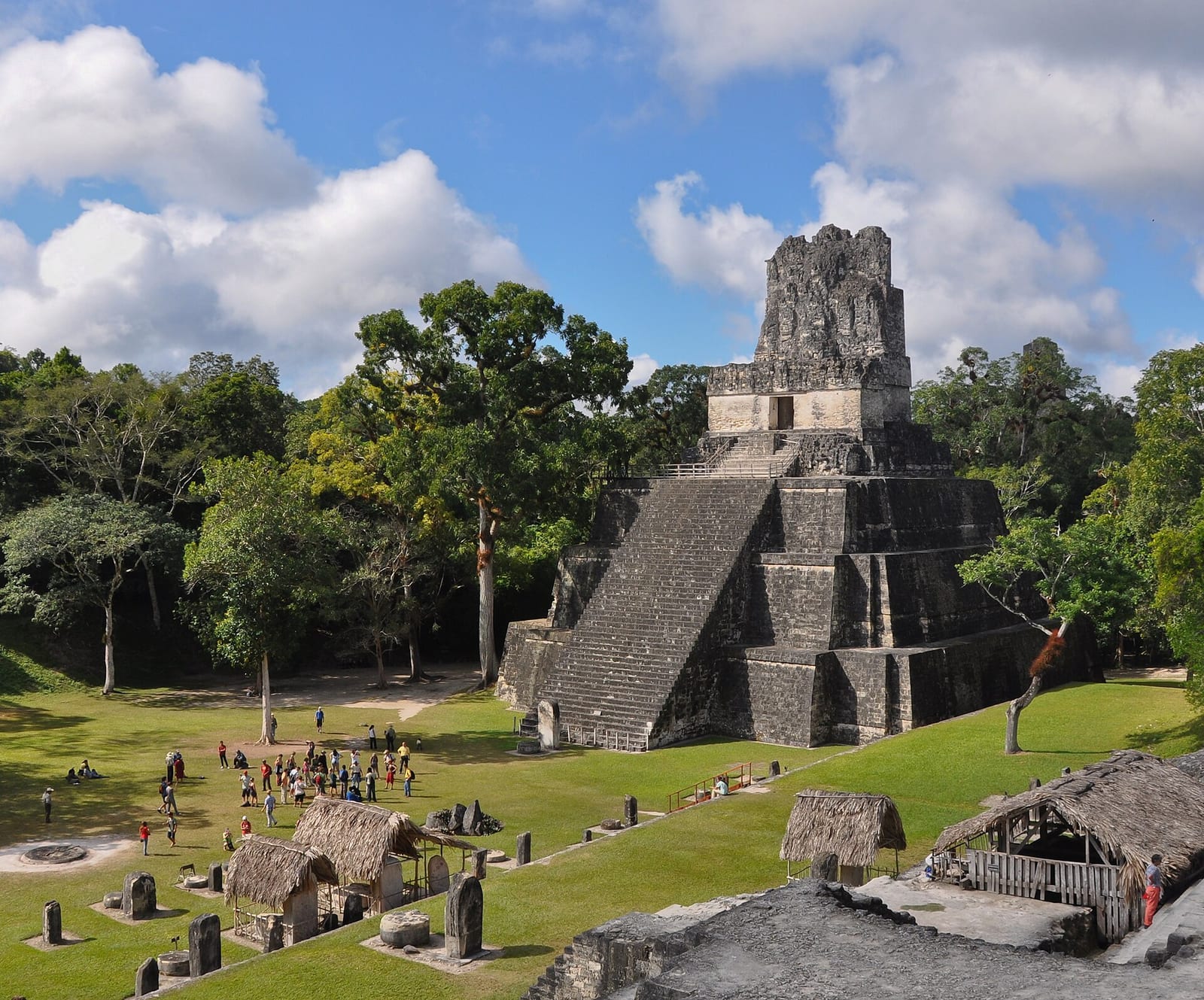
The city rose to regional prominence toward the end of the Classic period, expanding its influence during the ninth century. By the tenth century, Chichen Itza functioned as a powerful capital controlling northern and central Yucatan, with commercial authority extending along coastal waters. This ascendancy coincided with political fragmentation across earlier southern centers, including the major city of Tikal. Chichen Itza dominated long-distance maritime commerce through coastal trading ports such as Isla Cerritos, securing valuable foreign goods that included obsidian from central Mexico and gold from southern Central America.

Keep reading in Yester
Coming soon to the App Store
Keep following the story
Sources
- Pre-Hispanic City of Chichen-Itza (UNESCO World Heritage Centre)
- Gran Nivelacion, Chichen Itza: El Castillo, Ball Court and Temple of the Warriors (INAH, Lugares INAH)
- The political collapse of Chichen Itza in climatic and cultural context, Hoggarth et al., Global and Planetary Change 2016 (Penn State Research Portal)
- El intercambio de la obsidiana y el desarrollo de las economias de tipo mercado en la region Maya, Braswell and Glascock 2007 (UC San Diego)
- Into the Centipede's Jaws: Sumptuous Offerings from the Sacred Cenote at Chichen Itza, James Doyle (The Metropolitan Museum of Art)
- Chichen Itza Great Ball Court (Open Heritage 3D)
- Largest ball court in ancient Mesoamerica (Guinness World Records)
- Chichen Itza
Image: Arian Zwegers from Brussels, Belgium