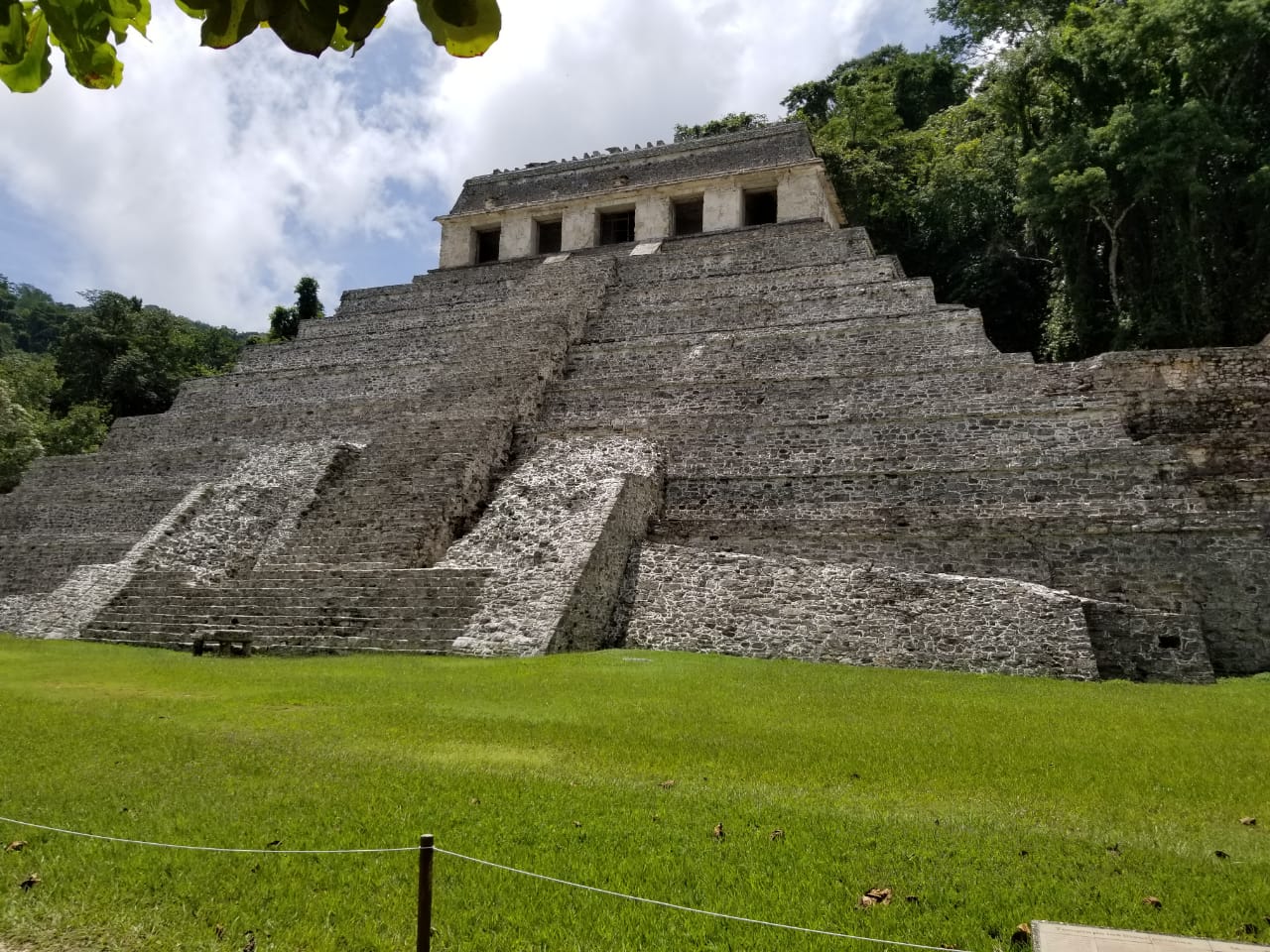
Palenque Preserves a Maya King’s World in Stone
Pakal’s tomb and the city’s inscriptions reveal dynastic ambition, belief and a sophisticated written history.
Nestled along the karst foothills of Chiapas in southern Mexico, the Maya city of Palenque, known anciently as Lakamha, transformed regional politics and ceremonial architecture throughout the Classic period. Early dynastic traditions at the site traced authority to Kʼukʼ Bahlam I in the fifth century, though the settlement endured severe crises during the late sixth and early seventh centuries. Devastating incursions by the rival realm of Calakmul in 599 and 611 disrupted standard civic functions so thoroughly that temple panels recorded an absence of essential annual religious observances, noting the loss of both king and divine leadership.
Order returned under Kʼinich Janaabʼ Pakal, commonly known as Pakal the Great, who ascended the throne at the age of twelve in 615 following the brief reign of his mother, Lady Sak Kʼukʼ. Over a rule that lasted until 683, Pakal initiated an expansive cultural and architectural resurgence that rebuilt the city after its prior military disasters. His court forged key foreign partnerships, including an alliance with Tikal and Yaxchilan during a period of regional warfare, while local artisans remodeled The Palace into an expansive administrative complex complete with narrow corbeled passageways, baths, and an iconic observation tower.

Keep reading in Yester
Coming soon to the App Store
Keep following the story
Sources
Image: Ferfive