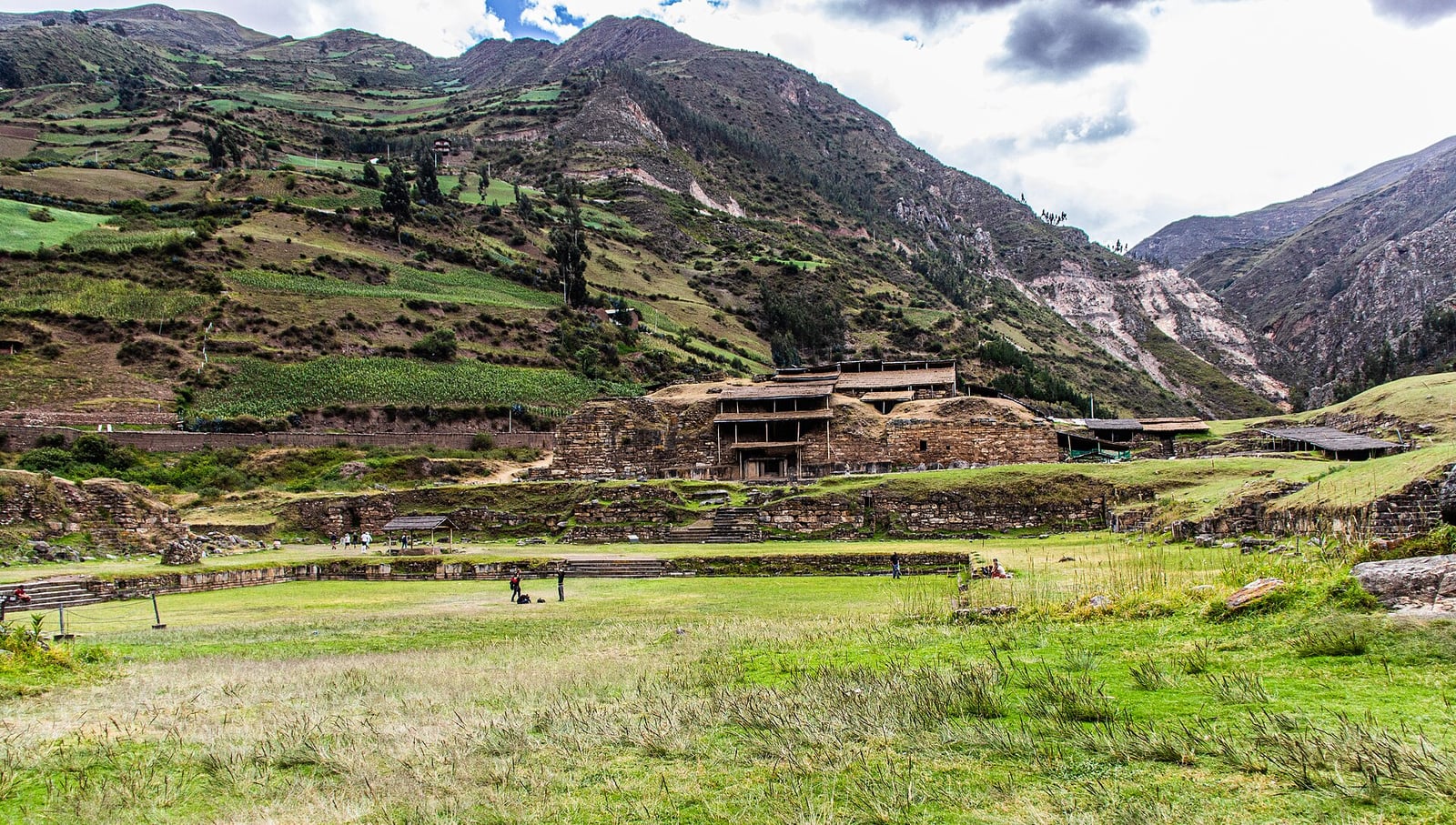
Chavín de Huántar Becomes a Sacred Center in the Andes
A temple with underground galleries drew pilgrims from far away.
High in the Peruvian Andes, at an elevation of 3,180 meters east of the Cordillera Blanca, the ceremonial center of Chavín de Huántar emerged at the confluence of the Mosna and Huachejsa rivers. UNESCO describes the Chavín culture as developing between the 15th and 5th centuries BC, although the dating of the temple itself is debated; a 2019 radiocarbon study by Yale archaeologist Richard Burger places the founding of the settlement around 950 BC. Positioned near the headwaters of the Marañón River between the Pacific coast and the tropical lowlands, the valley site served as an ideal crossroads for exchanging goods, agricultural produce, and religious practices across different ecological zones.
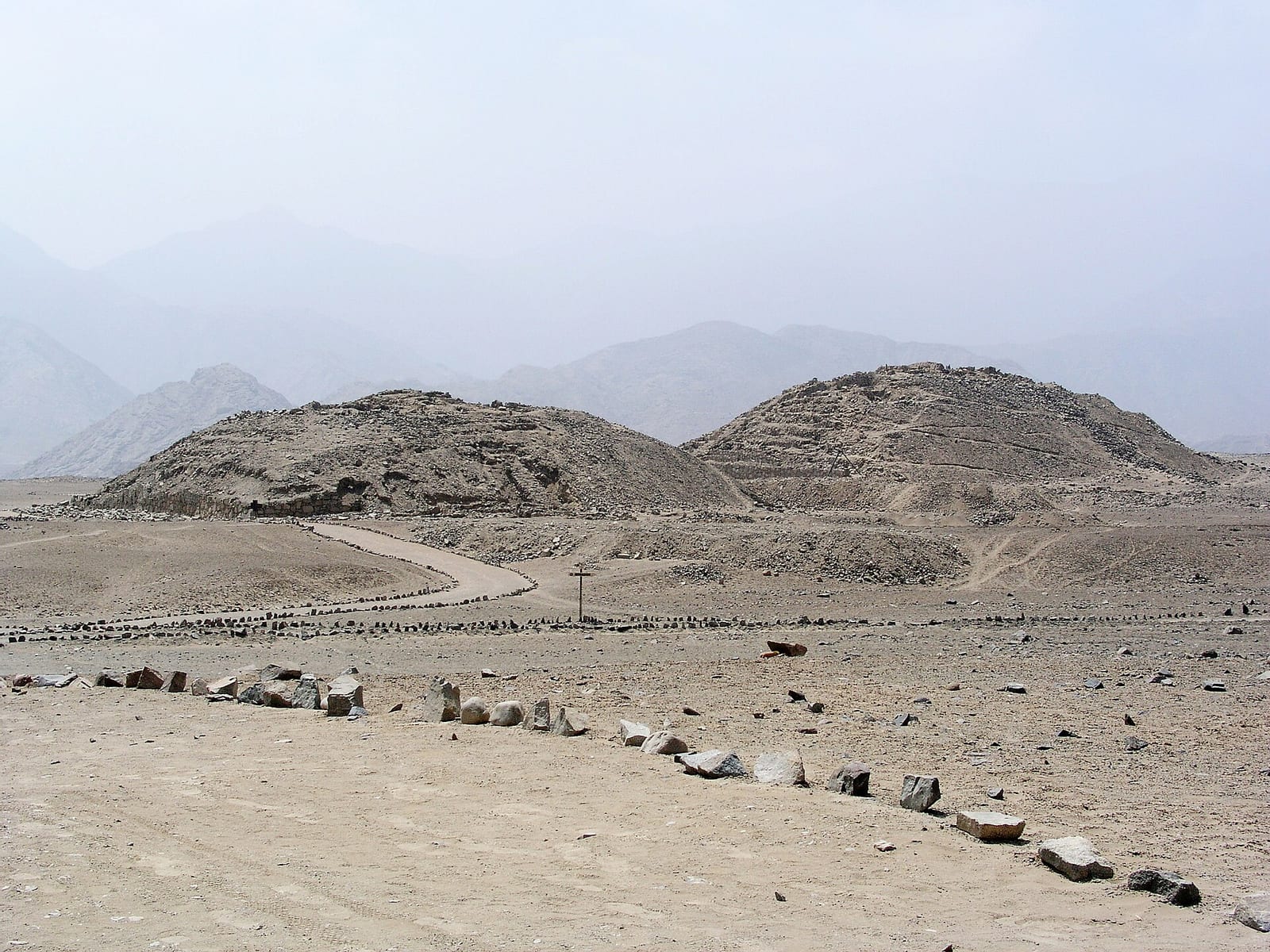
Julio C. Tello, an influential early twentieth-century Peruvian archaeologist, viewed the complex as the primary cradle of South American civilization. Subsequent research across the central Andes demonstrated that older urban traditions had flourished centuries earlier, including the coastal civilization of Caral in the Supe Valley. Nevertheless, Chavín de Huántar evolved into a preeminent pan-regional pilgrimage destination, where travelers gathered to take part in rituals, seek advice from an oracle, or join a widespread religious tradition that dominated the Andean highlands for centuries.

Keep reading in Yester
Coming soon to the App Store
Keep following the story
Sources
- Chavin (Archaeological Site) (UNESCO World Heritage Centre)
- Understanding the Socioeconomic Trajectory of Chavín de Huántar: A New Radiocarbon Sequence and Its Wider Implications, Richard L. Burger (Latin American Antiquity, Cambridge University Press)
- La cronología de Chavín de Huántar y sus implicancias para el Periodo Formativo, Rick et al. (Boletín de Arqueología PUCP)
- Peru: Chavin de Huantar new finds among the largest in 50 years (Andina, Peru News Agency)
- Burials Discovered in Temple at Peru's Chavin de Huantar (Archaeology Magazine, Archaeological Institute of America)
- Archaeomusicology of the Chavín Pututus (Chavín de Huántar Archaeological Acoustics Project, Stanford CCRMA)
- Chavín de Huántar Archaeological Acoustics Project (Stanford CCRMA)
- Chavín de Huántar
Image: Apollo⠀