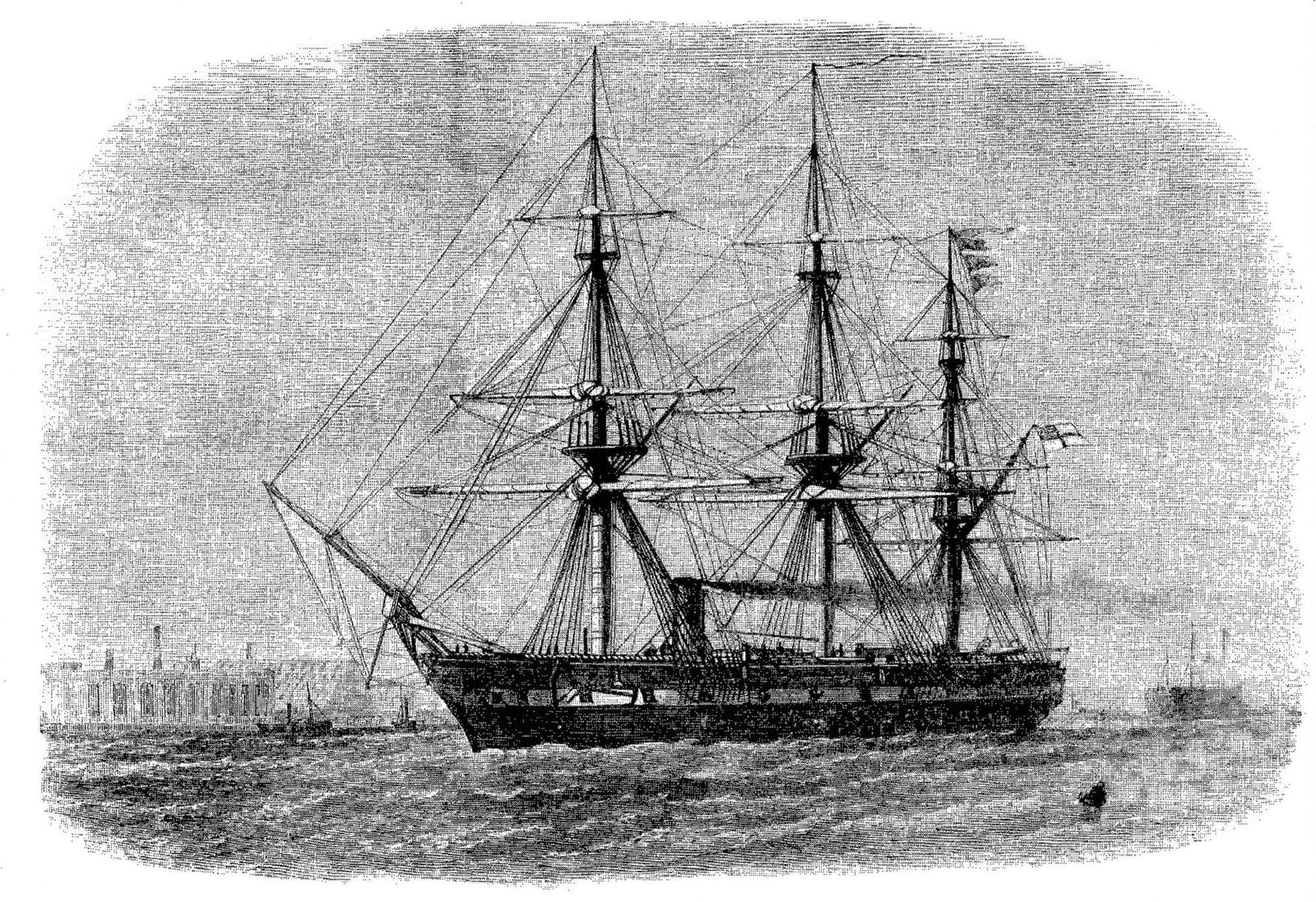
Challenger Sets Out to Study the Deep Ocean
A long research voyage used systematic measurements and specimens to investigate an unfamiliar world below the surface.
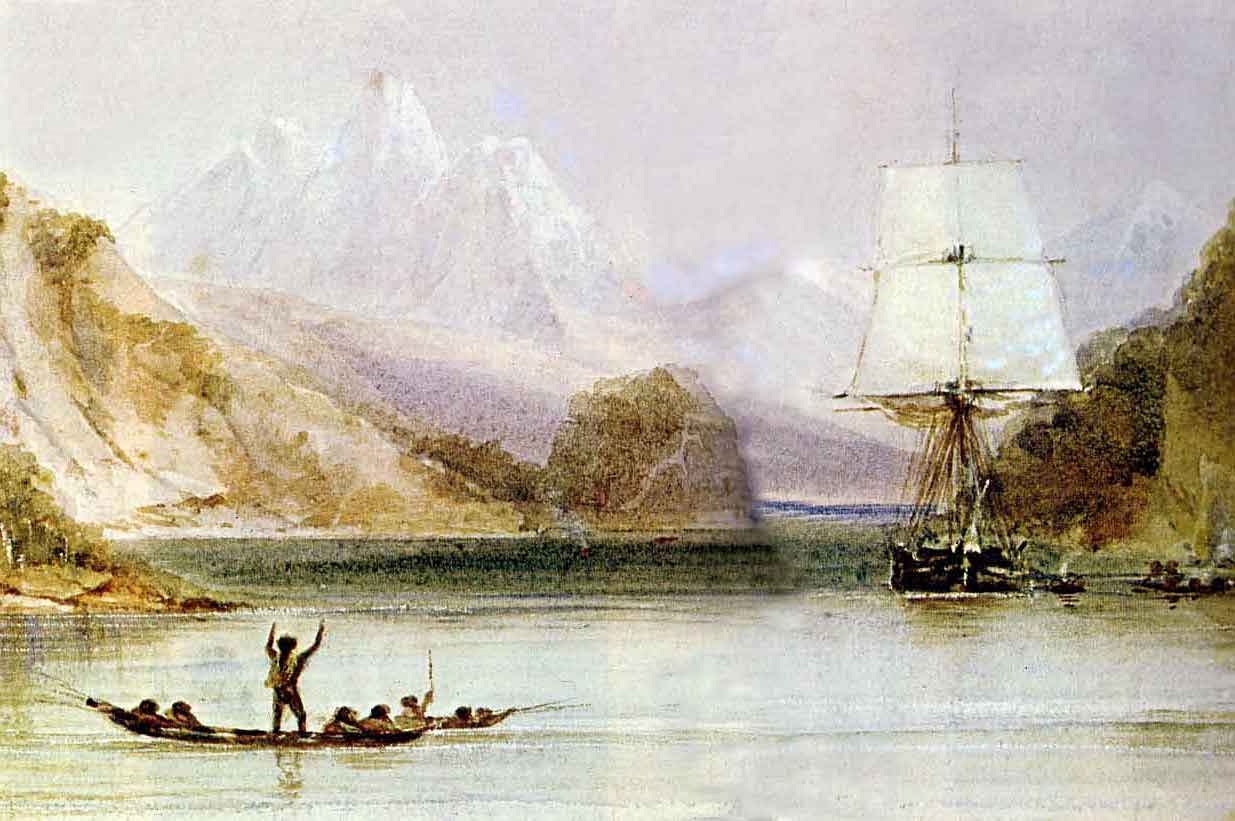
On 21 December 1872, the naval vessel HMS Challenger sailed from Portsmouth, England, embarking on a circumnavigation intended to transform deep-sea research into a systematic scientific discipline. Initiated by William Benjamin Carpenter and organized with the Royal Society of London, the expedition operated under the scientific direction of Sir Charles Wyville Thomson. To accommodate laboratories, specialized dredging apparatus, and scientific quarters, the Royal Navy stripped fifteen of the vessel's seventeen guns and altered its rigging. Commanded initially by Captain George Nares, the ship relied primarily on sail for propulsion, employing its auxiliary steam engine mainly while managing dredges, holding station during soundings, and maneuvering in harbor.
The voyage was designed to address fundamental debates about global marine circulation, sea-bottom topography, and the chemistry and biology of the oceans. At hundreds of designated stations around the globe, crew members and civilian researchers gathered physical and chemical data. They lowered weighted sounding lines to map depth, took serial water temperature measurements using Miller-Casella and experimental reversing thermometers, and collected sediment from the seabed. Dredges fitted with swept nets and trailing mops, alongside midwater trawls, brought up organisms, mineral deposits such as manganese nodules, and bottom sediments from depths previously thought by many to be barren.

Keep reading in Yester
Coming soon to the App Store
Keep following the story
Sources
Image: Unidentified engraver