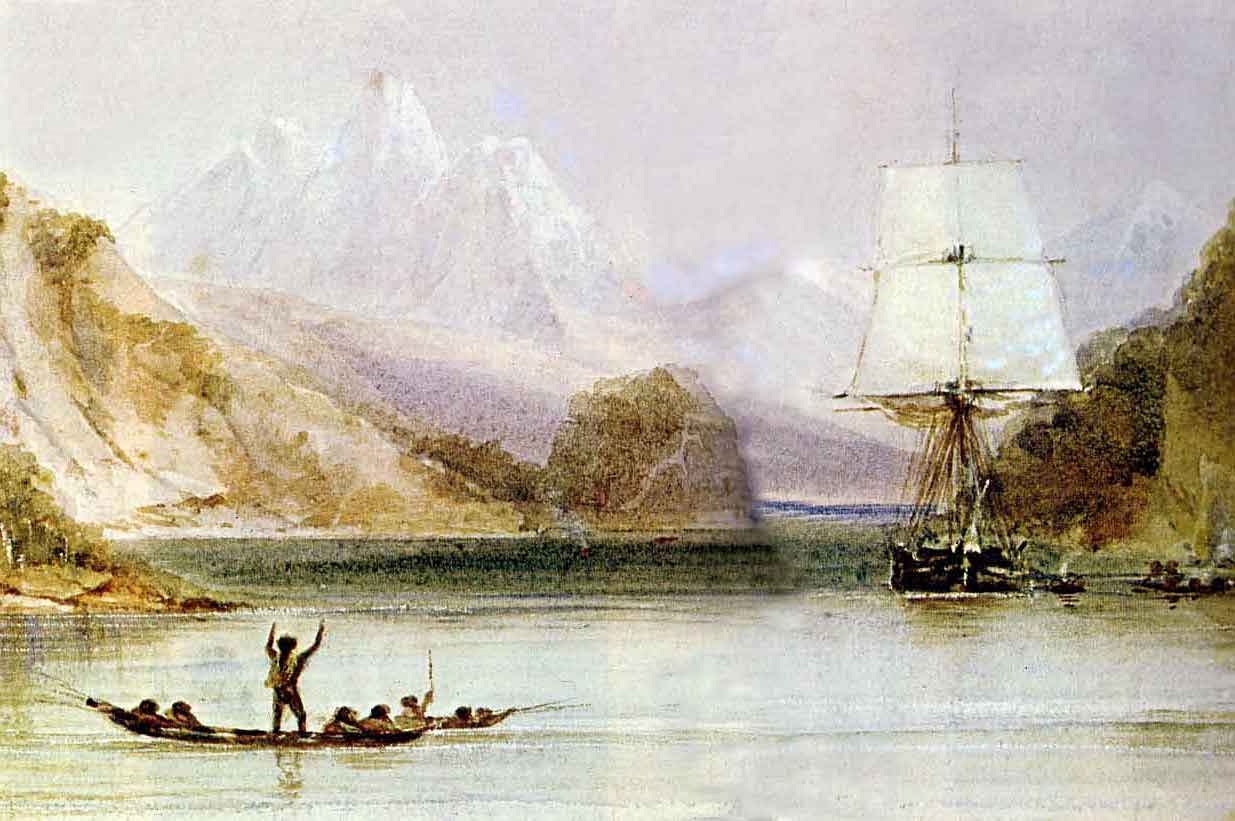
The Voyage That Gave Darwin His Questions
The Beagle carried Darwin through landscapes that refused to fit a simple explanation. The theory came later, after years of comparing what the voyage had left him.
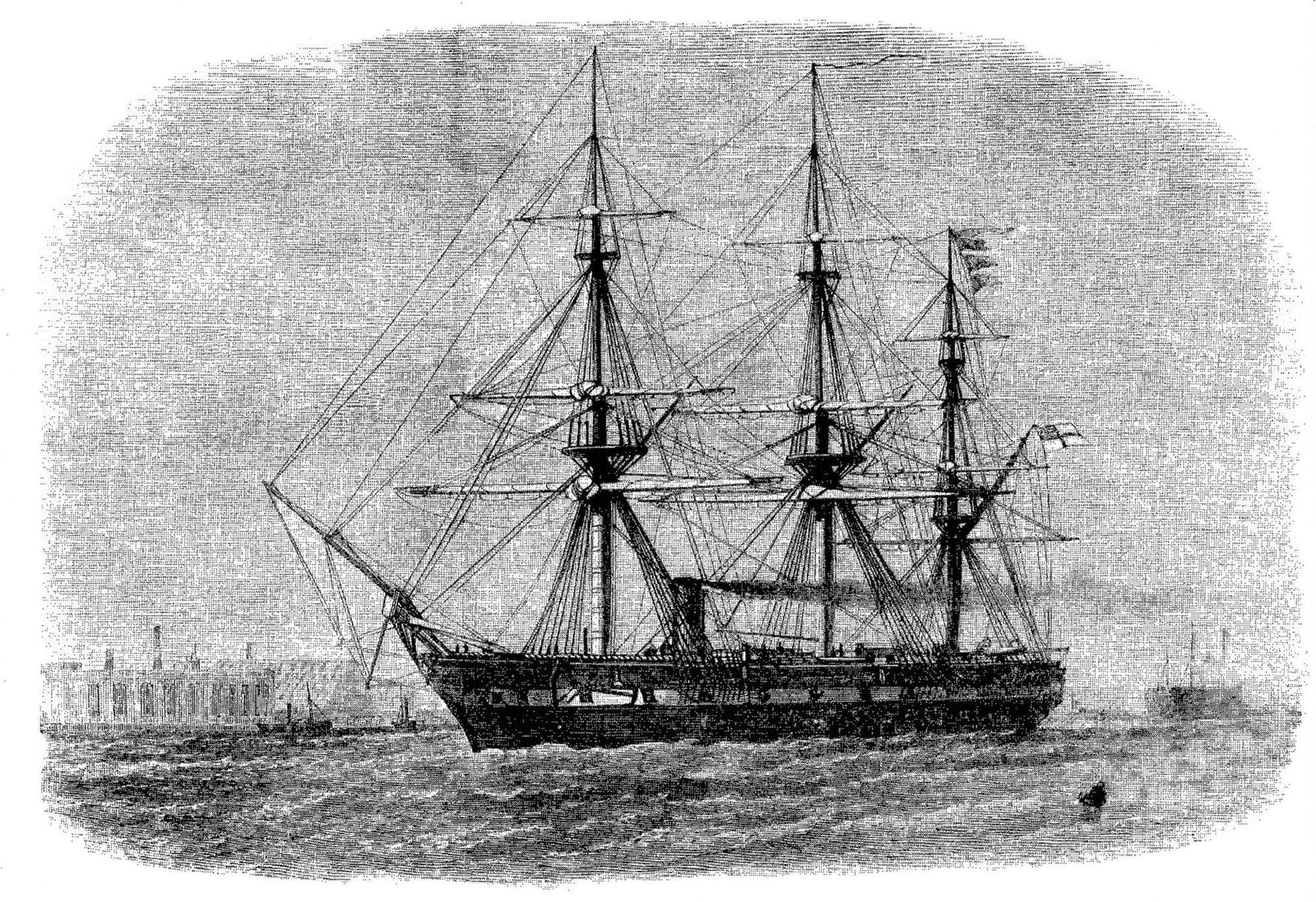
When HMS Beagle left England in December 1831, Charles Darwin did not board with a theory of natural selection ready to confirm. He was a young naturalist joining a voyage whose principal work concerned surveying, under Captain Robert FitzRoy. The journey would last until October 1836. Its importance lay less in a single destination than in the repeated experience of encountering things that demanded comparison: rocks, fossils, animals and landscapes that seemed both familiar and unexpectedly different.
Much of Darwin’s work took place on land in South America. He collected specimens, examined geological formations and encountered fossil remains of extinct animals. Such observations raised questions across different scales of time. A living creature belonged to the present, but a fossil suggested an earlier world beneath the same ground. Geological change offered a way of thinking about transformations too slow to watch from beginning to end. The planet was not a fixed stage on which life simply appeared.

Keep reading in Yester
Coming soon to the App Store
Keep following the story
Sources
Image: Conrad Martens (1801 - 21 August 1878)