Parthian Archers Defeat Crassus at Carrhae
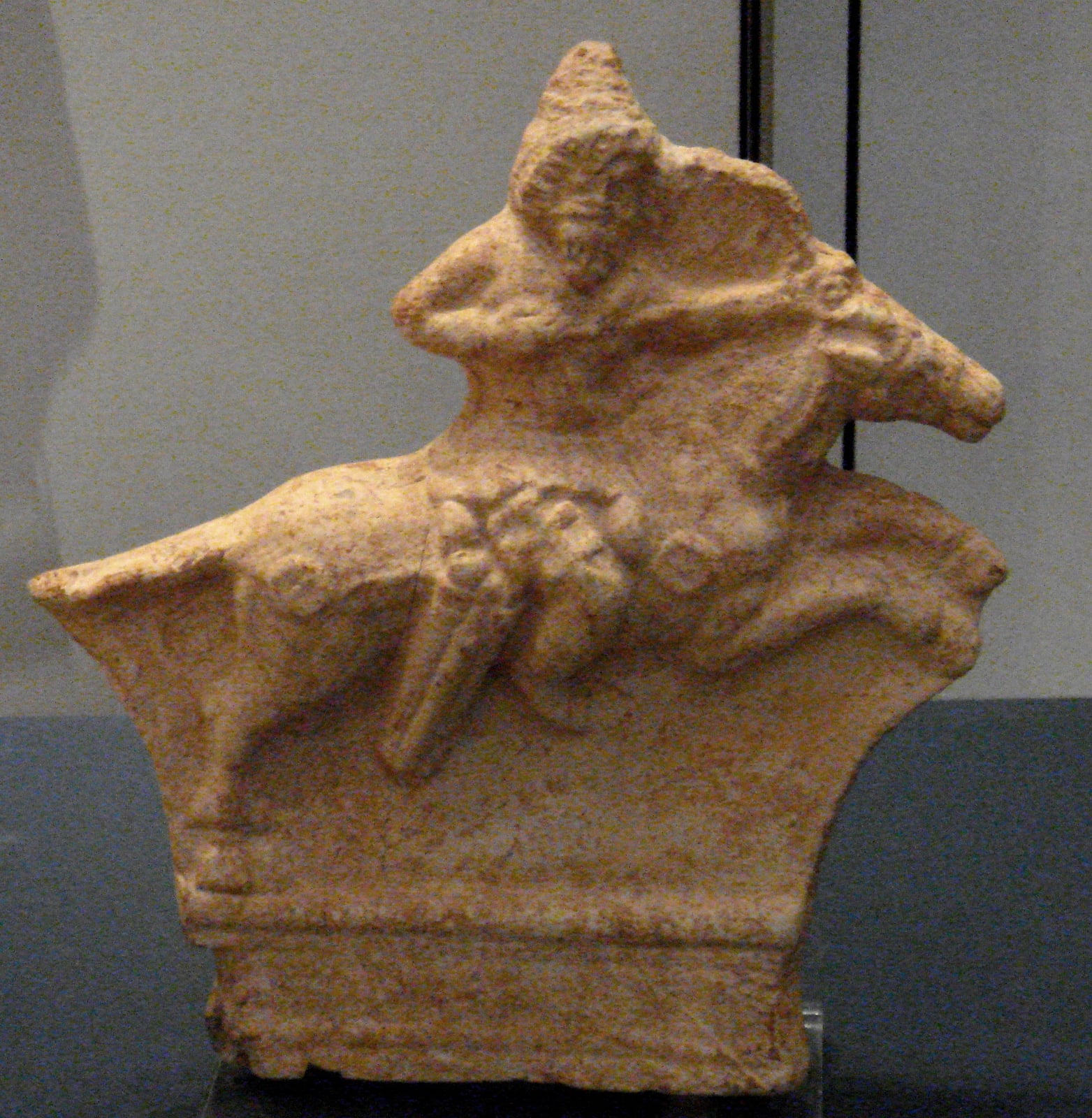
Horse archers resupplied by camel trains wore down a Roman army on the open plain.
On June 9, 53 BC, near the Mesopotamian town of Carrhae, Roman heavy infantry clashed with an agile Parthian cavalry force. Marcus Licinius Crassus, among the wealthiest political figures in the Roman Republic, led seven legions comprising an estimated 28,000 to 35,000 legionaries, alongside thousands of light infantry and cavalry. His previous military standing had rested largely on his defeat of the uprising led by Spartacus two decades earlier, but Crassus wanted new conquests to rival the contemporary fame won by Julius Caesar. Seeking military glory on Rome's eastern frontier, Crassus rejected an offer from the Armenian king to enter Parthia through mountainous terrain and chose instead to march across Mesopotamia.
Crassus had secured his Syrian command through the political pact known as the First Triumvirate, an alliance formed with Caesar and Pompey to consolidate their factional dominance. Despite internal opposition in Rome, where the tribune Ateius Capito protested the lack of formal justification for the war, Crassus crossed the Euphrates to attack a Parthian kingdom weakened by an internal dynastic feud. However, while Crassus garrisoned regional towns and spent the winter in Syria training his forces, the Parthian ruler Orodes II executed his rival brother and regained control of the realm. Orodes then moved against Armenia, leaving a force of around 10,000 cavalry under his general Surena to delay the Roman advance.

Keep reading in Yester
Coming soon to the App Store