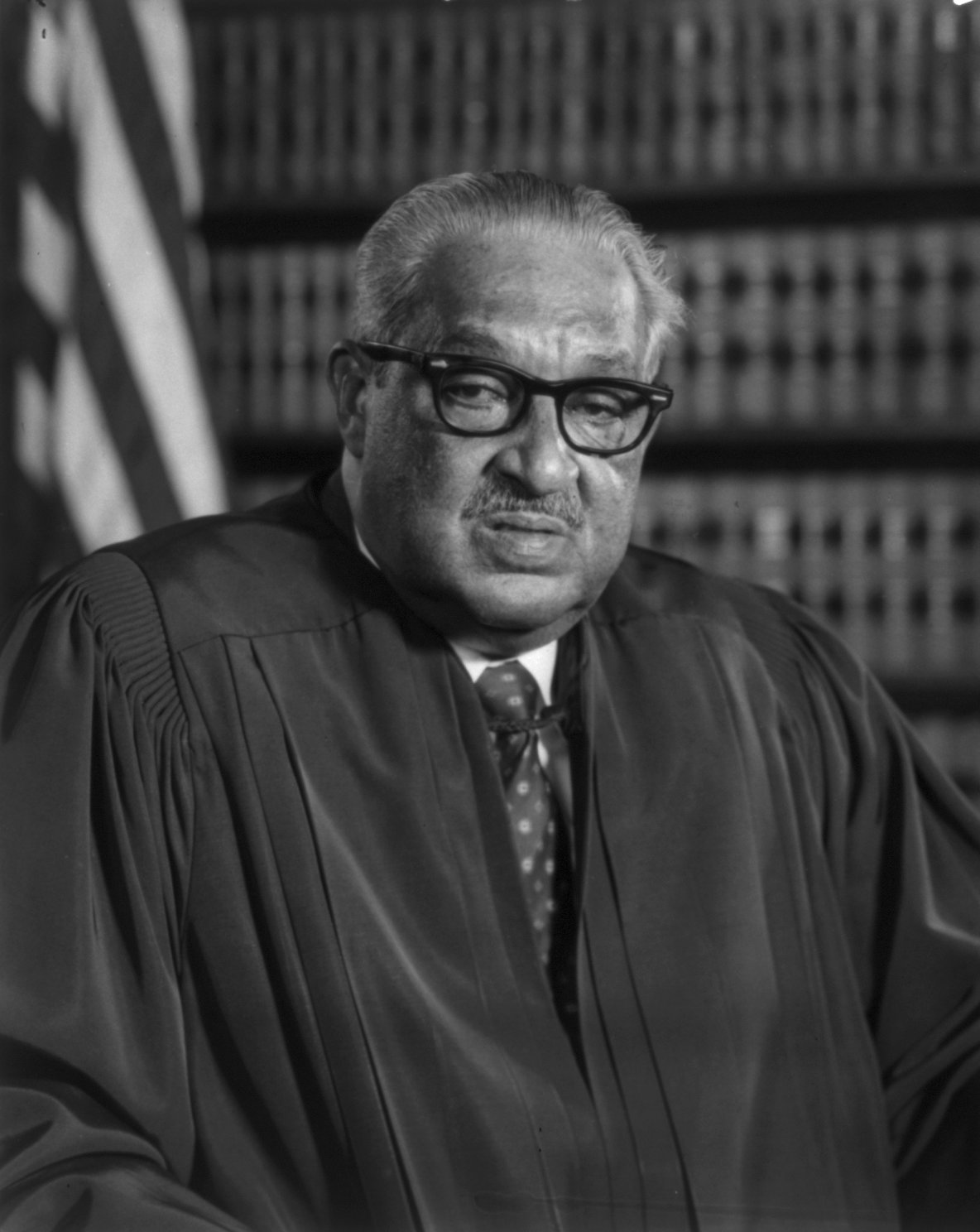
The School Case That Rejected Separate but Equal
Families challenged more than unequal classrooms. Brown v. Board of Education confronted the idea that a state could separate children by race and still treat them equally.
A school could have classrooms, teachers and books and still deny children equal protection. That was the central issue in Brown v. Board of Education, decided by the United States Supreme Court on May 17, 1954. The Court unanimously rejected racial segregation in public education. The problem was not merely whether officials had spent the same amount on two separate systems. The separation itself imposed an inequality that comparisons of buildings and equipment could not repair.
The name Brown can make the struggle sound like one family’s dispute with one school. It grew from challenges in several communities, with parents and students taking risks long before the justices announced a result. Kansas, South Carolina, Virginia and Delaware supplied cases considered in Brown. A related challenge in Washington, D.C., was decided separately as Bolling v. Sharpe, because the federal district required a different constitutional argument from the states.

Keep reading in Yester
Coming soon to the App Store
Keep following the story

Sources
Image: Robert S. Oakes