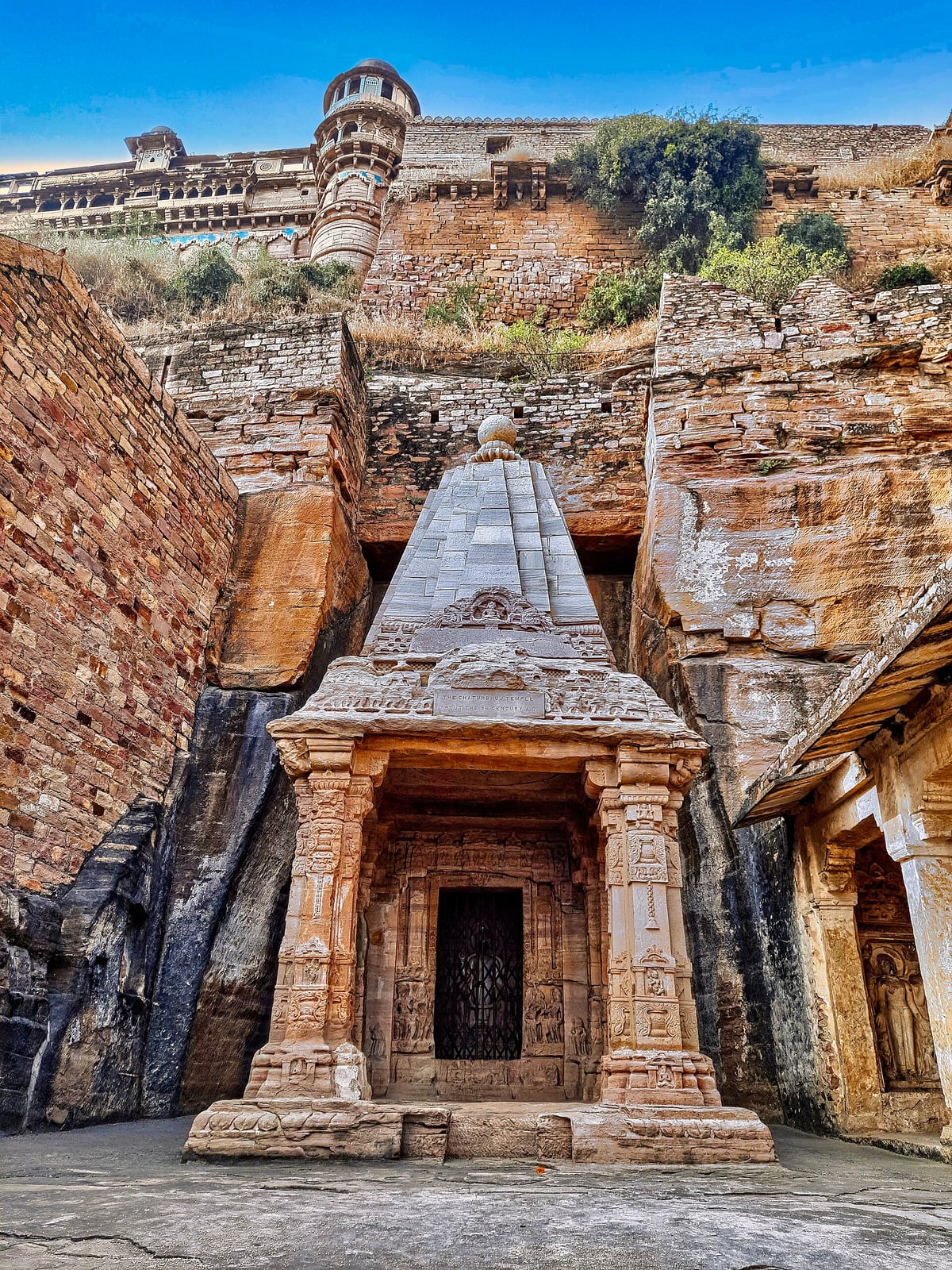
Brahmagupta Sets Rules for Calculating with Zero
An Indian astronomer treated zero as a number with its own rules.
In the ancient city of Bhillamala, capital of the Gurjaradesa kingdom in western India, the astronomer and mathematician Brahmagupta completed his masterwork, the Brahmasphutasiddhanta, in 628 CE. At thirty years of age, he set down a comprehensive verse treatise that spanned theoretical astronomy, geometry, and arithmetic. While earlier civilisations, such as the Babylonians, had used marks or symbols to denote an empty space or an absence of quantity, Brahmagupta took the revolutionary step of formalising zero as an independent numerical entity governed by precise operational rules.
The eighteenth chapter of the treatise systematically incorporated zero alongside positive and negative quantities. Brahmagupta explained that adding zero to a negative number left it negative, adding zero to a positive number left it positive, and combining two zeros yielded zero. In subtraction, removing zero from any quantity preserved the original figure, whereas subtracting equal quantities produced zero. Multiplication followed consistent principles: the product of zero with any positive, negative, or zero quantity was invariably zero. By giving non-existence an active algebraic role, he shifted arithmetic from measuring tangible objects to manipulating abstract values.

Keep reading in Yester
Coming soon to the App Store
Keep following the story
Sources
- Brahmagupta (598 - 670), Biography (MacTutor History of Mathematics, University of St Andrews)
- A history of Zero (MacTutor History of Mathematics, University of St Andrews)
- The Arabic numeral system (MacTutor History of Mathematics, University of St Andrews)
- Brahmagupta, Research Starters (EBSCO)
- Brahmagupta
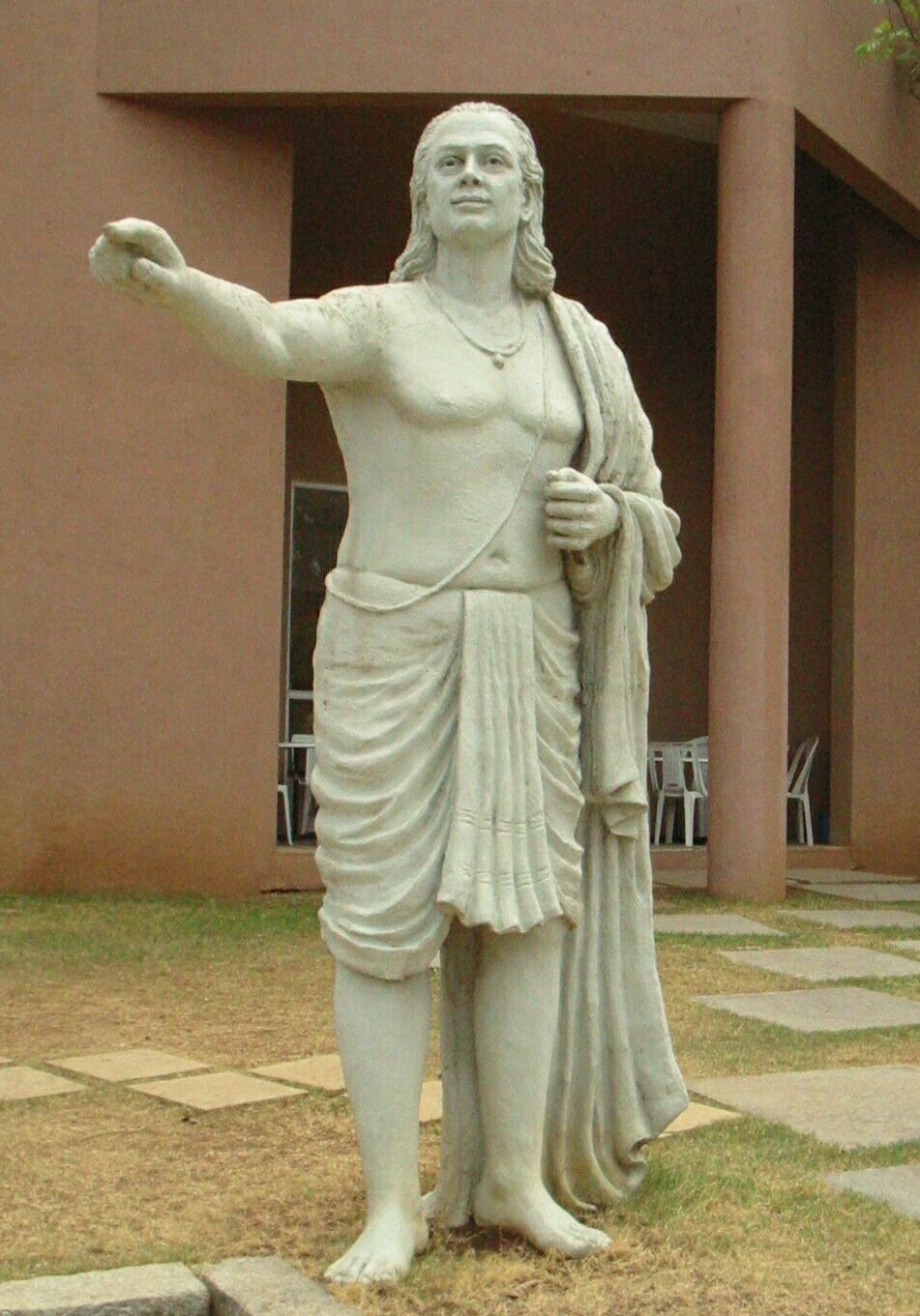
Image: Ms Sarah Welch