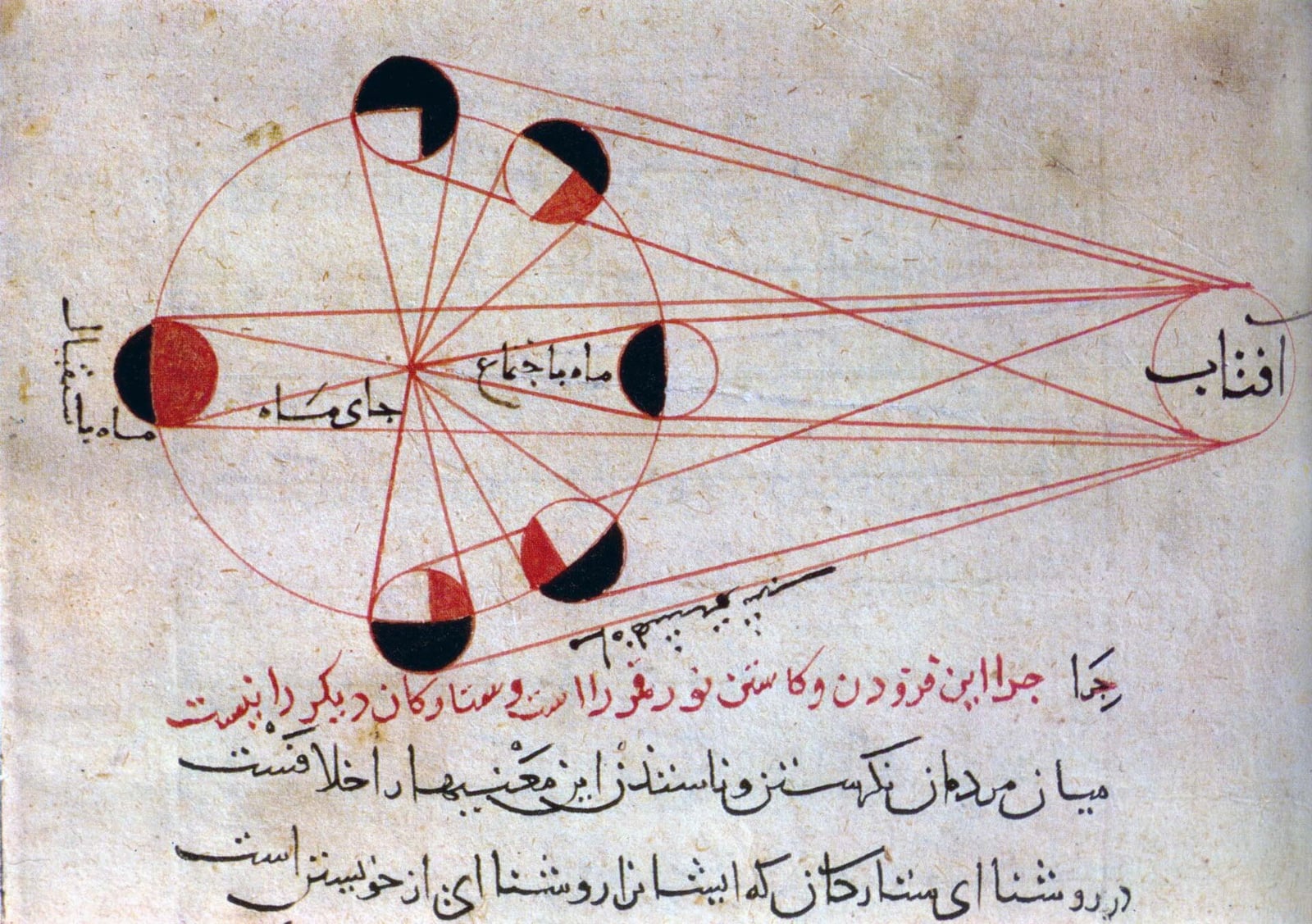
Al-Biruni Writes a Book About India
A scholar studied Indian science, religion and society in their own languages.
In 1017, the Ghaznavid ruler Mahmud invaded Khwarazm, capturing the city of Kath and bringing many regional scholars back to his capital at Ghazni. Among these intellectuals was Abu Reyhan al-Biruni, a polymath born around 973 in the outskirts of Kath. Though he arrived in Ghazni under royal compulsion, al-Biruni was appointed court astrologer. Over the following years, he appears to have accompanied Mahmud on military campaigns into northern India, an experience that turned his attention toward a comprehensive study of the lands south of the Hindu Kush.
Rather than concentrating on the battles or political conquests of the Ghaznavid state, al-Biruni directed his inquiries toward the civilian, intellectual, and spiritual traditions of India. He recognized that regional conflicts and military incursions had generated deep distrust between local populations and outsiders. To bypass these barriers, he engaged directly with Hindu scholars, eventually mastering Sanskrit. Through this linguistic access, he examined primary texts in religion, philosophy, mathematics, and astronomy, translating several works into Arabic, including the yoga sutras of Patanjali.

Keep reading in Yester
Coming soon to the App Store
Keep following the story

Sources
Image: Al-Biruni