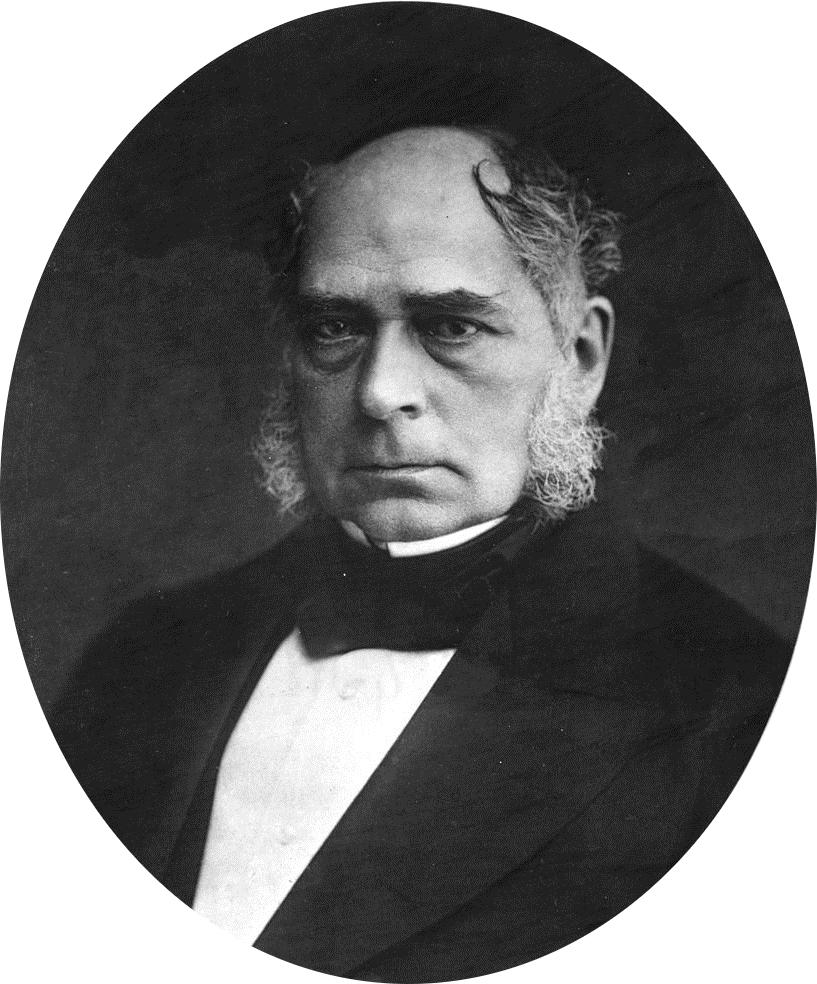
Bessemer Makes Steel an Industrial Possibility
Blowing air through molten iron promised steel in far greater quantities. Turning the idea into dependable production took more people and more adjustments than the famous invention date suggests.
In 1856, Henry Bessemer described a way to produce steel in large quantities by blowing air through molten iron. The striking idea was that removing unwanted components could also supply heat through chemical reactions. Instead of treating every stage as a matter of adding more fuel from outside, the process used what was happening inside the metal. It promised to change not simply the quality of a product, but the scale and cost at which industry could obtain it.
Steel was not new. What had limited many applications was the expense and difficulty of making it in quantity with suitable properties. Iron containing too much carbon was brittle for many purposes; controlling composition mattered. The converter, a vessel through which air could pass into the molten charge, became the recognizable machine associated with Bessemer’s method. Its dramatic operation could make industrial production look almost theatrical, but the useful result depended on chemistry and control rather than the spectacle of flame.

Keep reading in Yester
Coming soon to the App Store
Keep following the story


Sources
- 'Onward Ever' - Sir Henry Bessemer 19.1.1813 - 15.3.1898 (Science Museum Blog)
- Sample of Bessemer Steel (Science Museum Group Collection)
- Henry Bessemer (Science Museum Group Collection)
- Bessemer process (Encyclopaedia Britannica)
- Thomas, Sidney Gilchrist (1850-1885), metallurgist and inventor (Dictionary of Welsh Biography, National Library of Wales)
- Process development and limitations
Image: Unknown (Mondadori Publishers)