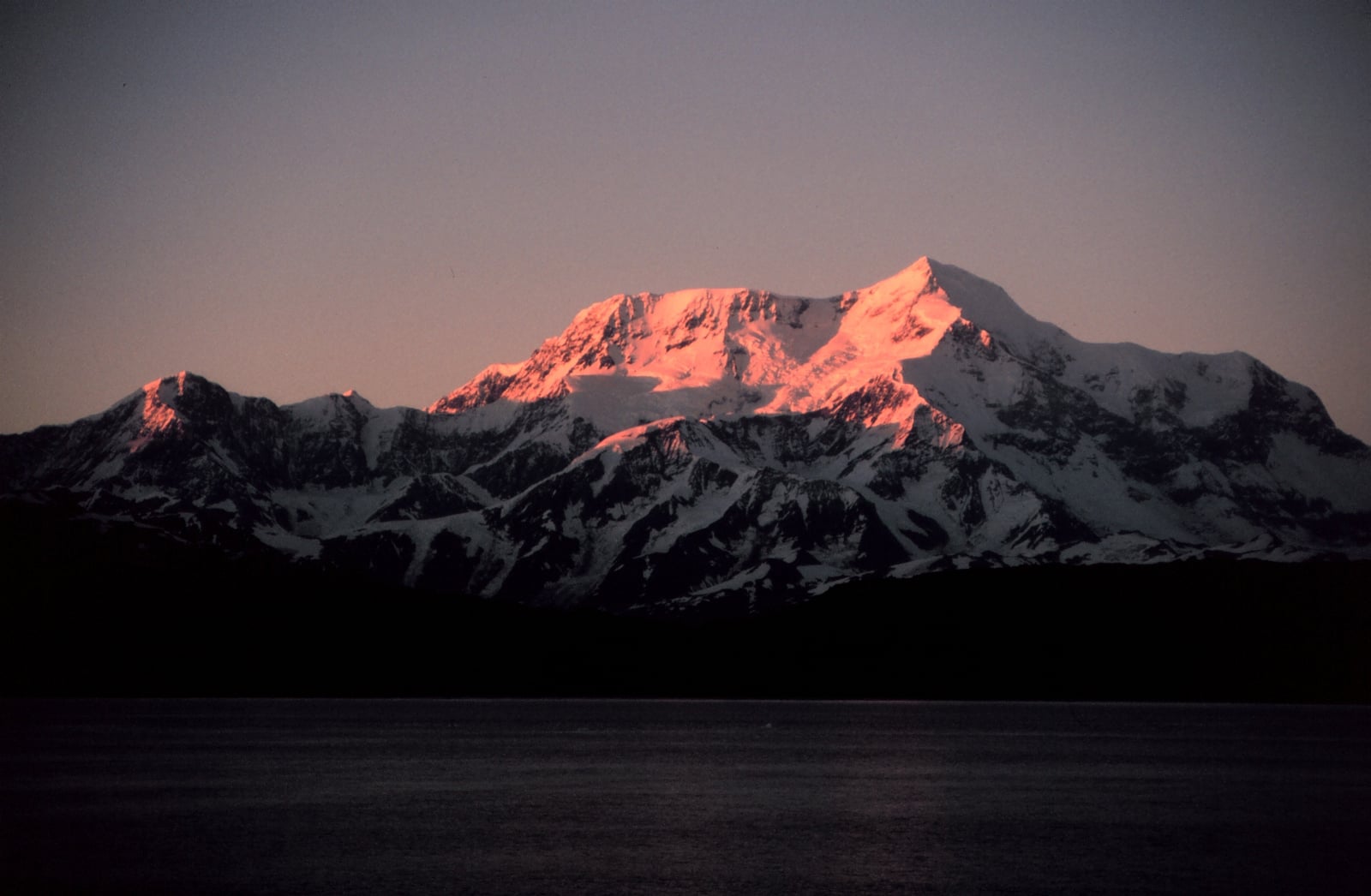
Bering’s Expedition Reaches Alaska
A Russian expedition crossed the North Pacific at the cost of its commander.
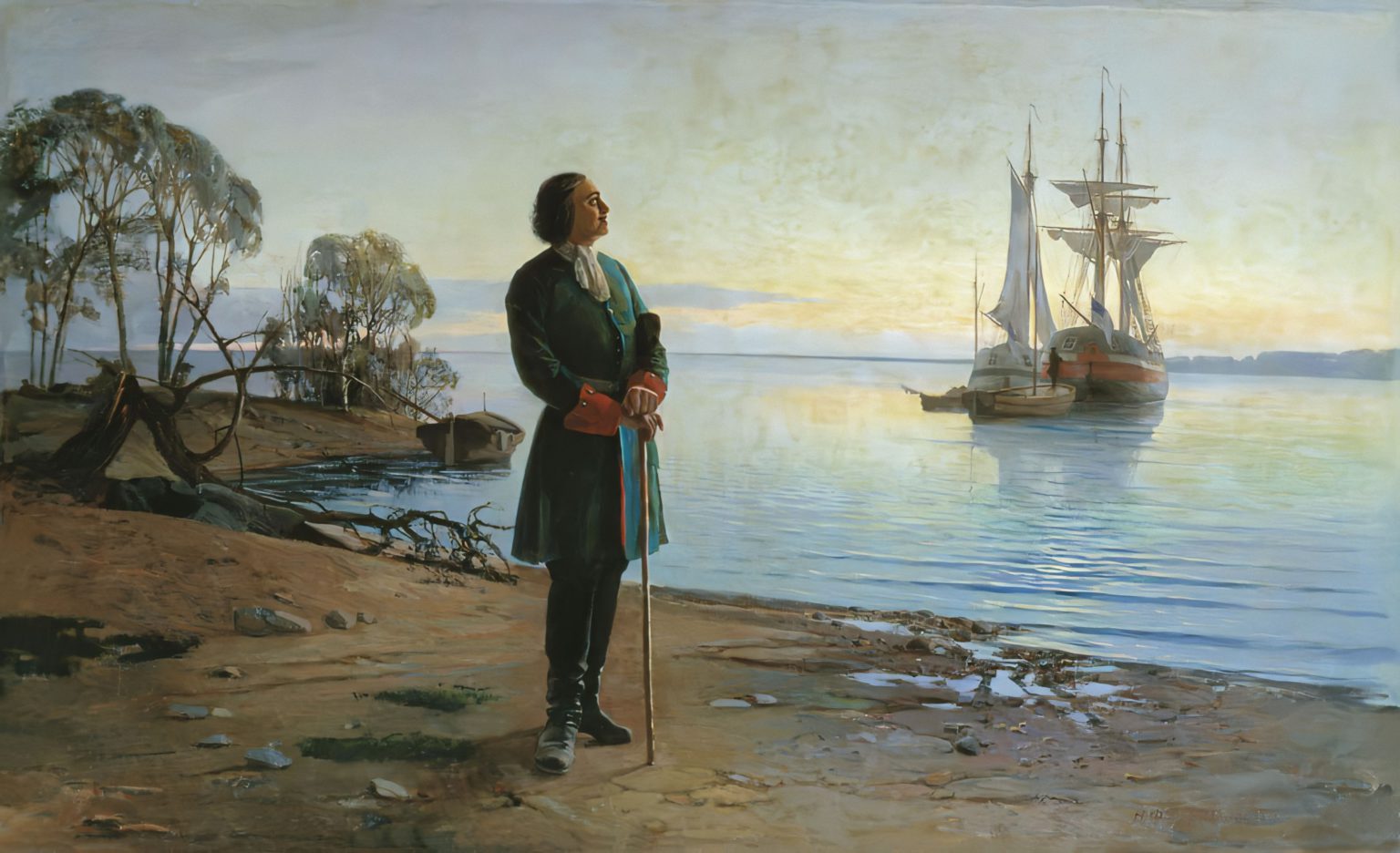
In early 1725, shortly before his death, Tsar Peter I ordered Danish-born naval officer Vitus Bering to lead an ambitious mission to the eastern edge of the Russian Empire. The newly conceived First Kamchatka Expedition was charged with crossing the vast Eurasian landmass, constructing ships on the Pacific coast, and determining whether northern Asia was joined by land to North America. Leaving St. Petersburg in early 1725, Bering and his officers oversaw a grueling trek across Siberia using river barges, pack horses, and sledges. The logistical burdens proved severe, sparking desertions, fatal shortages, and clashes with local authorities before the main detachment reached the tiny Pacific outpost of Okhotsk.
From Okhotsk, the expedition crossed to the Kamchatka Peninsula, where laborers constructed the vessel St. Gabriel. Setting sail in July 1728, Bering tracked the coastline north and northeast through the body of water that now bears his name. Upon observing the shoreline recede toward the west, he concluded that Asia and America were separate landmasses and chose to turn back rather than risk becoming trapped in winter ice. Although Bering had not verified the American coastline or reached Asia's easternmost extremity, the information he brought back to St. Petersburg in 1730 helped win him imperial backing for a far more expansive undertaking.

Keep reading in Yester
Coming soon to the App Store
Keep following the story
Sources
- Dire Straits: Bering's deadly exploration of the Pacific (National Geographic)
- Vitus Bering, Encyclopedia of World Biography and Complete Dictionary of Scientific Biography (Gale, via Encyclopedia.com)
- Vitus Bering (1681-1741), James R. Gibson, Arctic 35(3), 1982 (Arctic Institute of North America)
- Vitus Bering
Image: Mr. David Sinson, NOAA, Office of Coast Survey