When Asia and Africa Set Their Own Agenda
Delegates from twenty-nine countries met without waiting for a superpower to invite them. Bandung asked what international politics could look like after empire.
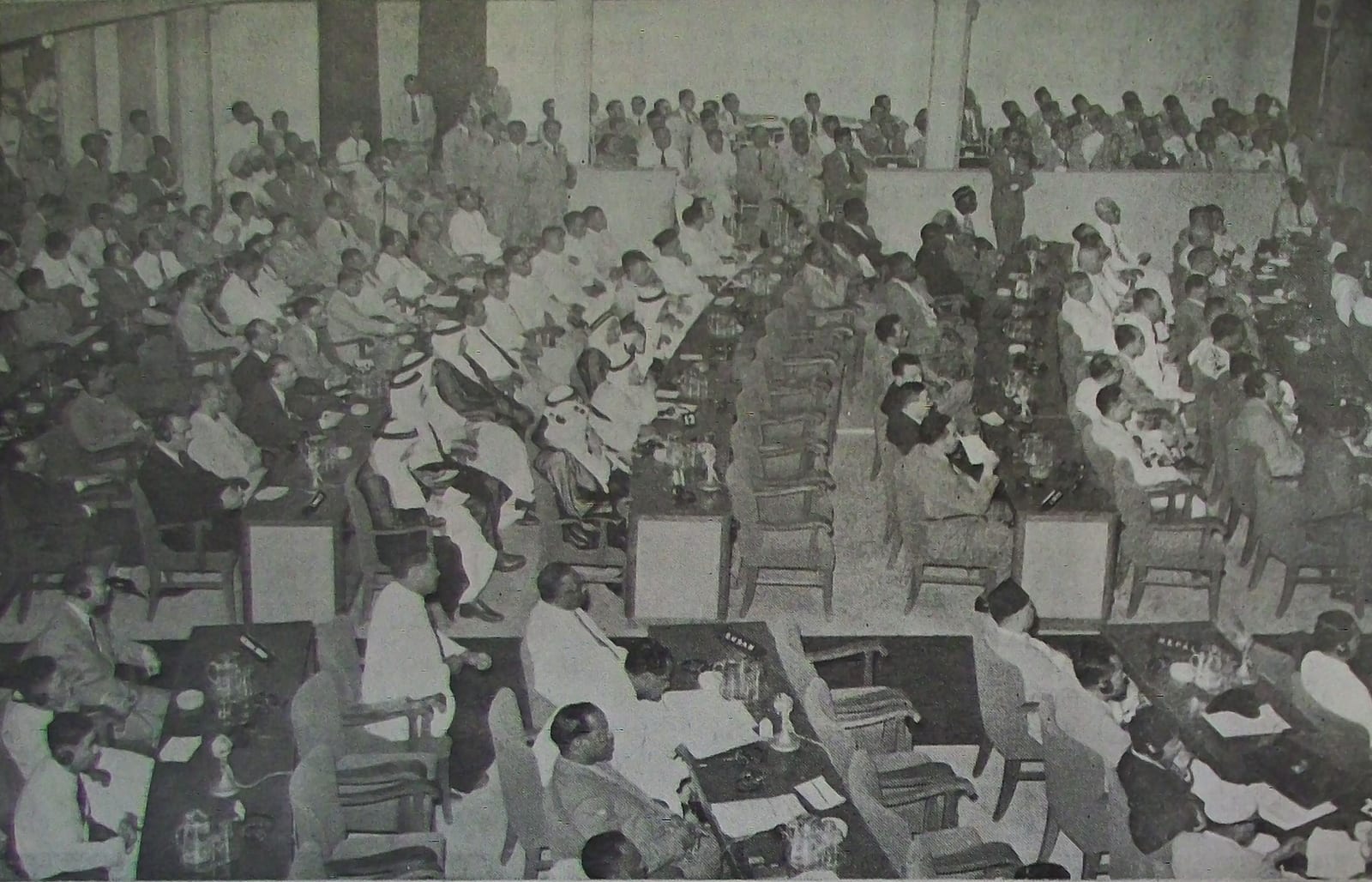
In April 1955, Bandung became the setting for an unusual diplomatic gathering. Representatives of twenty-nine Asian and African countries came to Indonesia to discuss the world from their own vantage points. They were not assembled as guests of a European empire or as a supporting cast for the rivalry between Washington and Moscow. The conference began from another premise: peoples emerging from colonial rule had interests that deserved to set the international agenda.
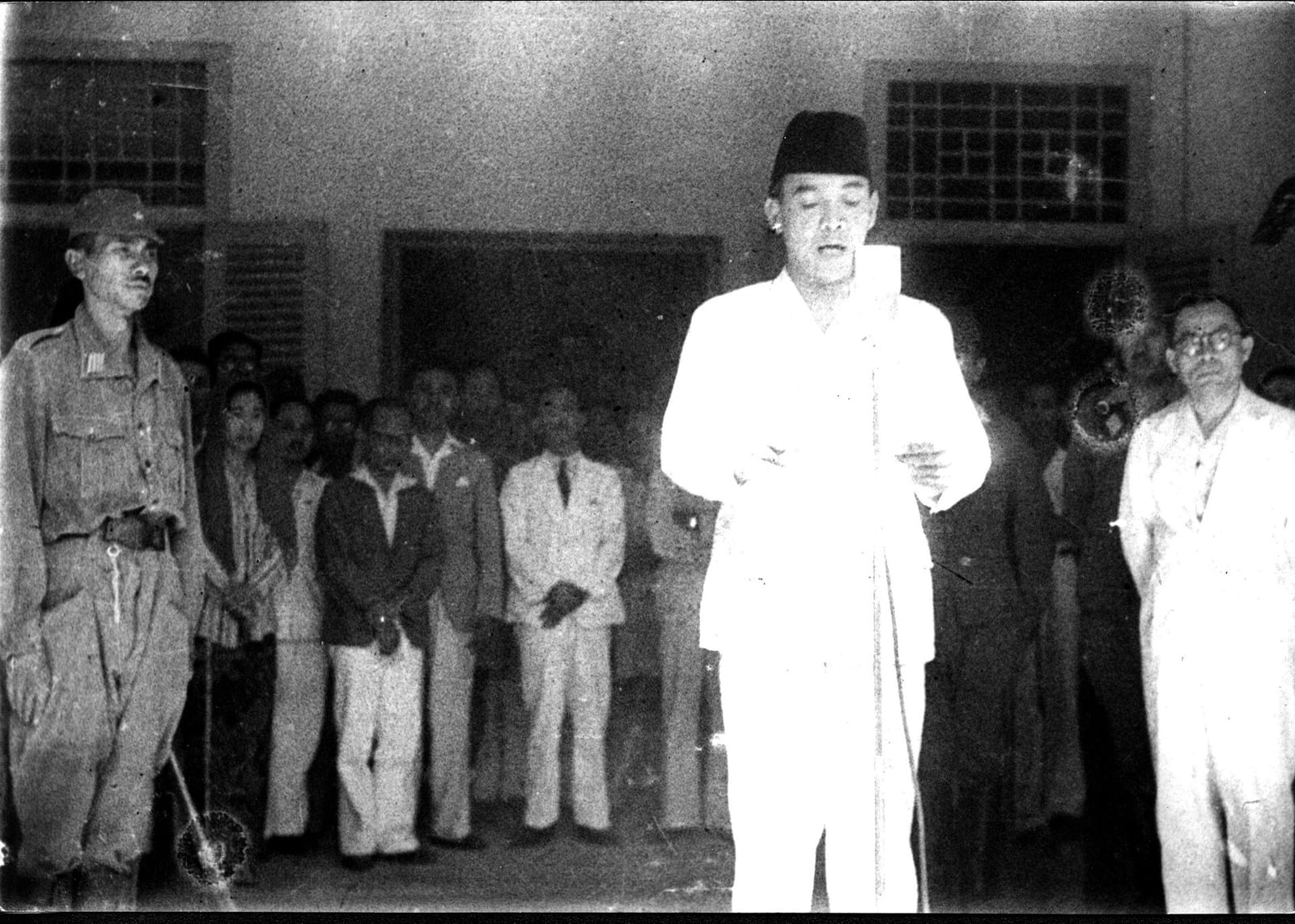
The meeting was sponsored by Indonesia, India, Pakistan, Burma and Ceylon, now Myanmar and Sri Lanka in the latter two cases. Their histories were not interchangeable. India and Pakistan were still living with the consequences of Partition, while Indonesia’s declaration of independence had been followed by years of conflict before Dutch recognition of sovereignty. Bringing these governments together did not erase their disagreements. It created a forum in which their experience of unequal power could become a basis for discussion.

Keep reading in Yester
Coming soon to the App Store
Keep following the story
Sources
Image: Foreign Ministry of the Republic of Indonesia