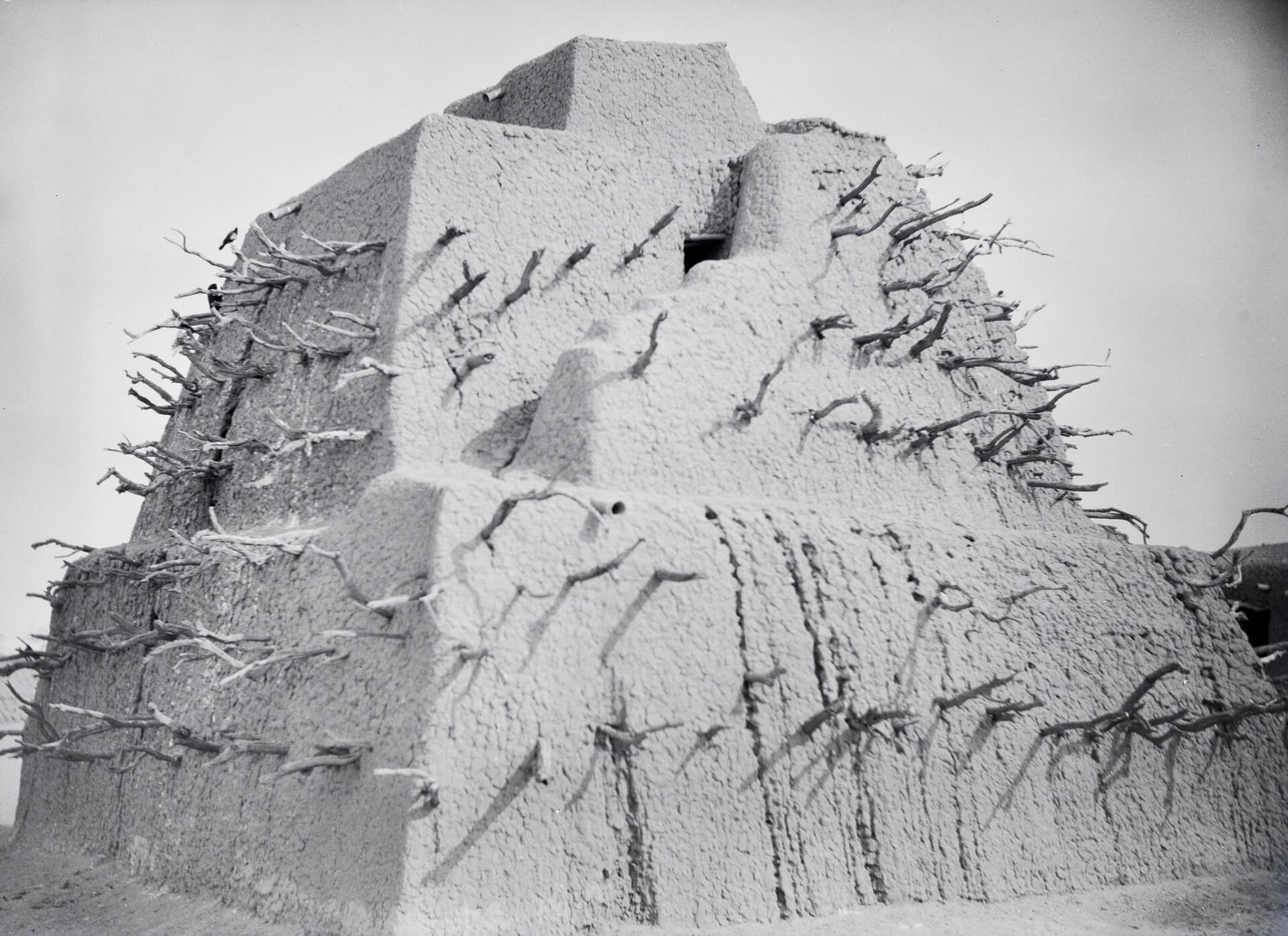
Askia Muhammad Reorganizes a West African Empire
Government, commerce and Islamic scholarship became intertwined during a major period in Songhai history.
In April 1493, the general Muhammad Ture defeated Sonni Baru at the Battle of Anfao outside Gao, taking the title of Askia and inaugurating a new ruling dynasty for the Songhai Empire. Muhammad had risen to prominence as a commander under Sonni Ali, but following the ruler's death in 1492, he challenged the succession of the king's son on the grounds of Islamic piety. Drawing key support from the Muslim scholars who had experienced harsh treatment under the previous regime, Muhammad consolidated his usurpation and set about restructuring the imperial administration.
The origin of the title Askia remains uncertain. Later regional chronicles such as the Tarikh al-Sudan record a traditional folk explanation claiming Muhammad coined the term from the lament of Sonni Ali's daughters, who purportedly remarked that the throne was not his. Askia Muhammad's own ancestry is similarly debated among scholars and local traditions. While certain chronicled names have been interpreted by some modern historians as evidence of roots in the Senegal River valley, modern descendants and oral traditions have contested these origins, maintaining links to ethnic Songhai lineage.

Keep reading in Yester
Coming soon to the App Store
Keep following the story
Sources
Image: Walter Mittelholzer