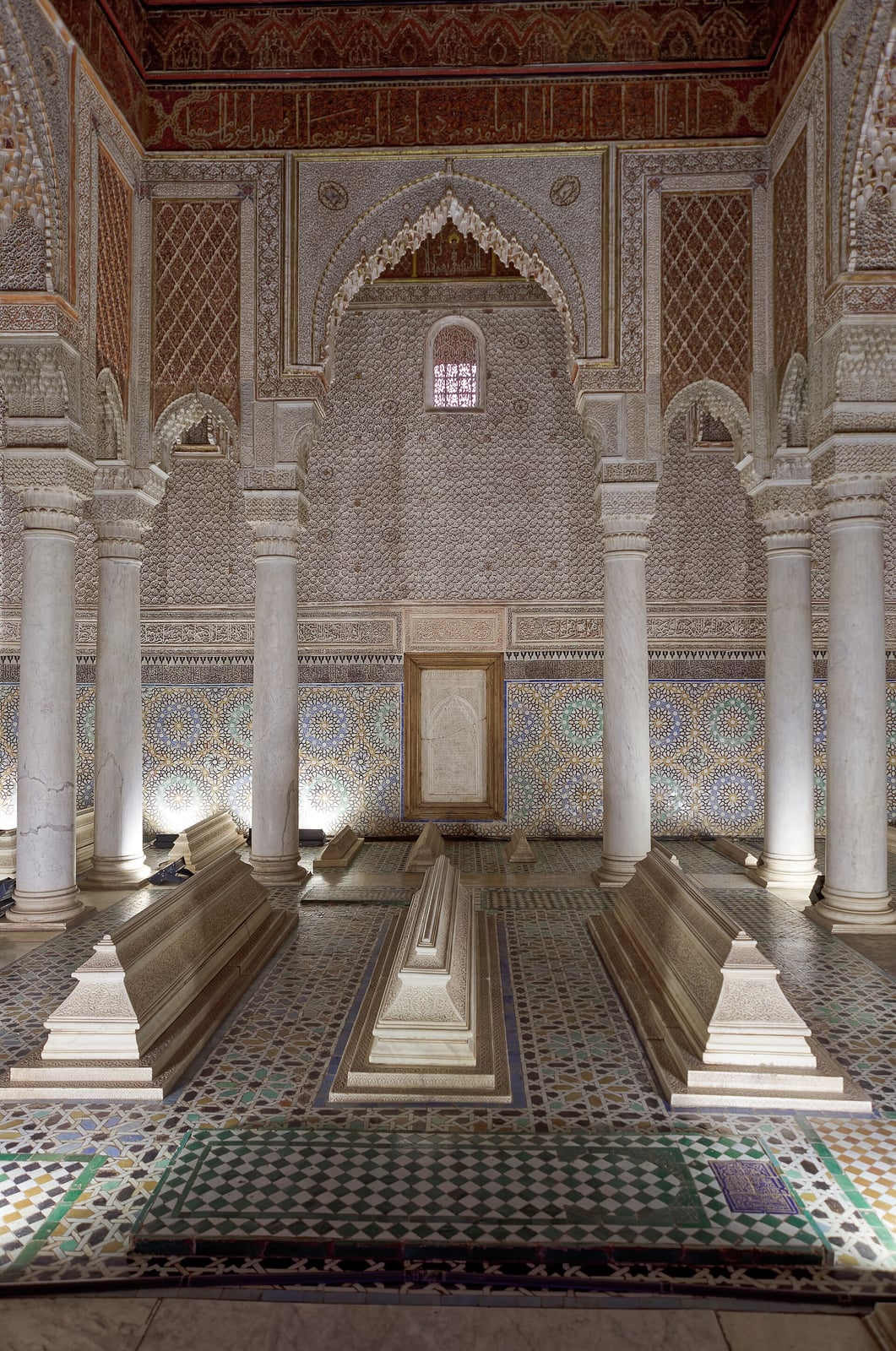
Moroccan Guns Break the Songhai Empire at Tondibi
An army sent across the Sahara with firearms defeated West Africa’s largest state.
In October 1590, Sultan Ahmad al-Mansur of Morocco dispatched an expeditionary force south across the Sahara from Marrakesh. The Saadian dynasty sought direct dominion over the lucrative trans-Saharan trade networks, driven by a desire for gold, captives for the Moroccan sugar industry, and the prestige required to assert leadership across the wider Islamic world. The targeted territory belonged to the Songhai Empire, which had dominated the western Sahel for more than a century but was recently weakened by succession struggles following the death of Askia Daoud in the early 1580s. When the reigning emperor, Askia Ishaq II, rejected Moroccan demands for tax revenues tied to the northern salt mines, the sultan prepared a military campaign designed to project imperial power far beyond his borders.
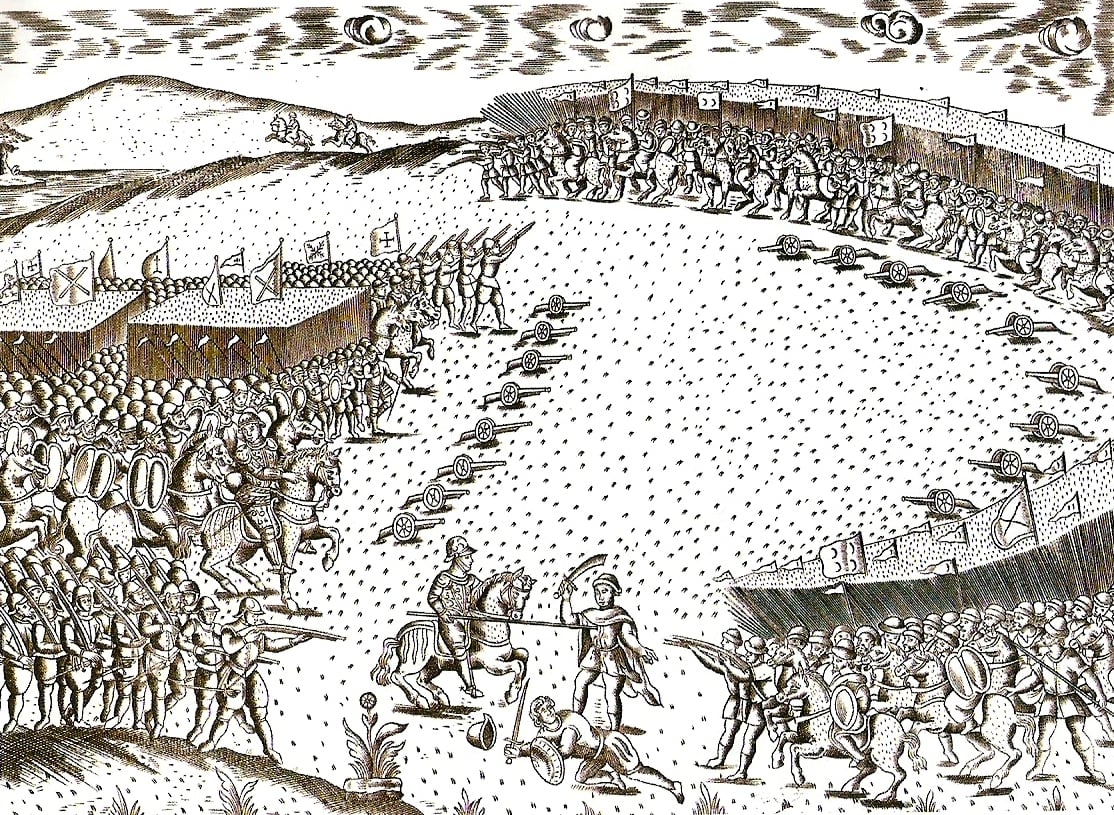
Commanded by Judar Pasha, a general of Spanish origin, the expedition endured severe hardships while traversing the desert before arriving at the Niger River in February 1591. Historical estimates of the Moroccan force vary widely, ranging between 4,000 and 20,000 men. The troops included Andalusian recruits, Algerian soldiers, and European mercenaries, many equipped with firearms and trained in tactics borrowed from Ottoman models. The Songhai army that assembled to confront them was reportedly far more numerous, but it lacked gunpowder weapons. When the two armies clashed at the Battle of Tondibi in 1591, the Moroccan firearms produced a decisive tactical advantage. The imperial forces disintegrated, enabling the invaders to quickly occupy the regional trade centers of Gao and Timbuktu.

Keep reading in Yester
Coming soon to the App Store
Keep following the story
Sources
Image: Jakub Hałun