Osei Tutu Unites the Asante
A confederation around Kumasi became one of West Africa’s great states.
In 1701, a newly formed confederation of Akan communities clashed with the dominant regional power of Denkyira at the Battle of Feyiase. For decades, the forest settlements of the Gold Coast hinterland had paid tribute and sent hostages to Denkyira's court. Led by Osei Tutu and his priestly adviser Okomfo Anokye, the allied forest states shattered that supremacy, establishing an independent union centered at Kumasi. The triumph fundamentally altered the political geography of the region, transforming an association of tributary chiefs into the foundation of the Asante Empire.
The roots of this coalition lay in earlier migrations from older Akan heartlands such as Amansie and Adanse. Clans belonging to the Oyoko lineage moved northward, establishing settlements like Nsuta, Juaben, Kokofu, Bekwai, and Kumasi within a tight perimeter. By the late seventeenth century, these settlements were under pressure from Denkyira, which controlled the principal river basins and monopolized trade corridors to the coast. Osei Tutu himself had spent time at the Denkyira court as a royal hostage before taking refuge with the Akwamuhene Nana Ansa Sasraku I, an experience that provided valuable insight into regional governance and military strategy.

Keep reading in Yester
Coming soon to the App Store
Keep following the story

Sources
- Rise of the Asante Empire (EBSCO Research Starters)
- Historic: Asantehene visits Kyebi (Daily Graphic, Ghana)
- Speech by the Prince of Orange at the durbar for the Asantehene, Kumasi, 16 April 2002 (Royal House of the Netherlands)
- Merchants, missionaries & migrants: an introduction (African Studies Centre Leiden)
- Asante Kingdom web dossier (African Studies Centre Leiden)
- Asante Empire
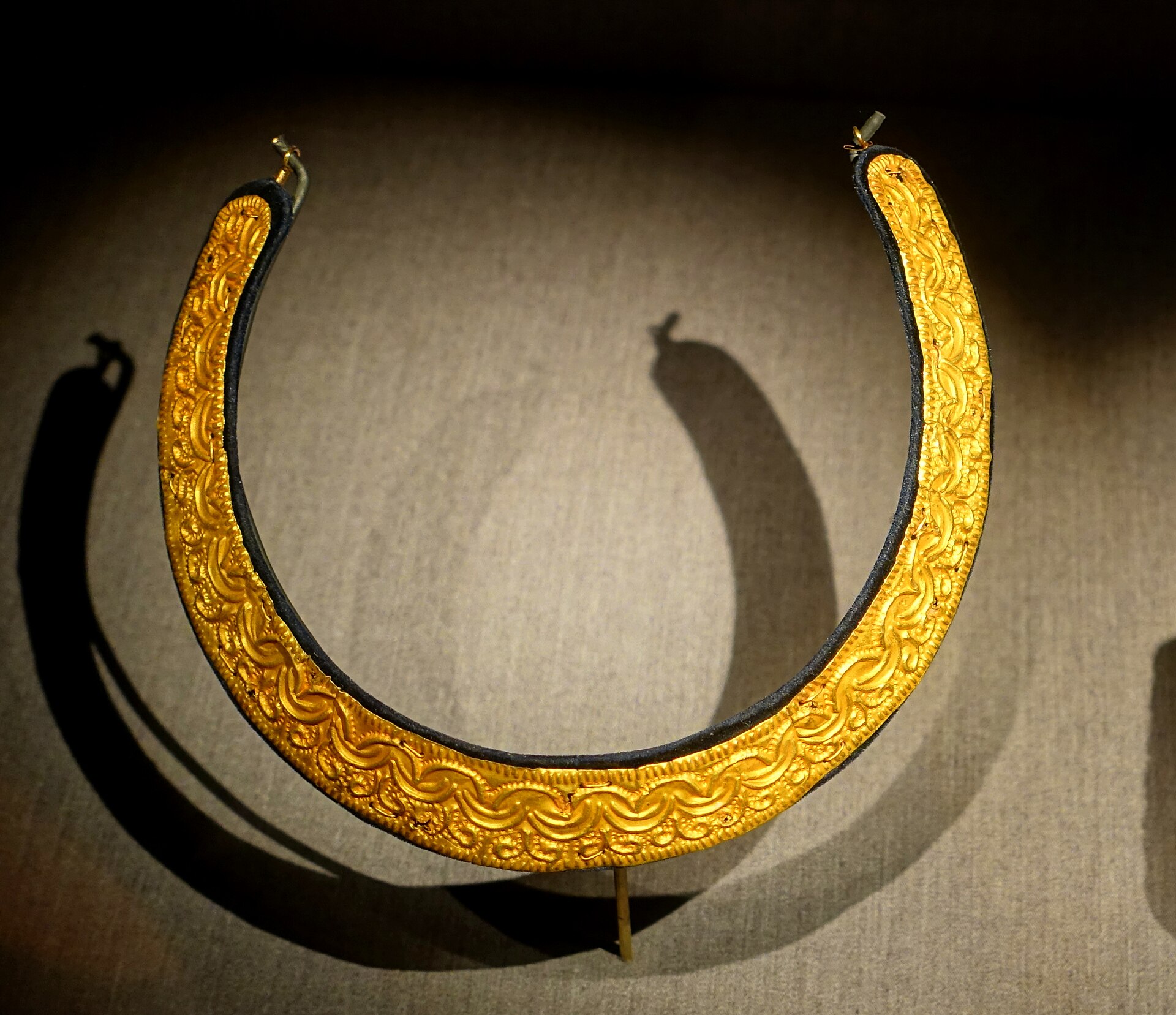
Image: Daderot