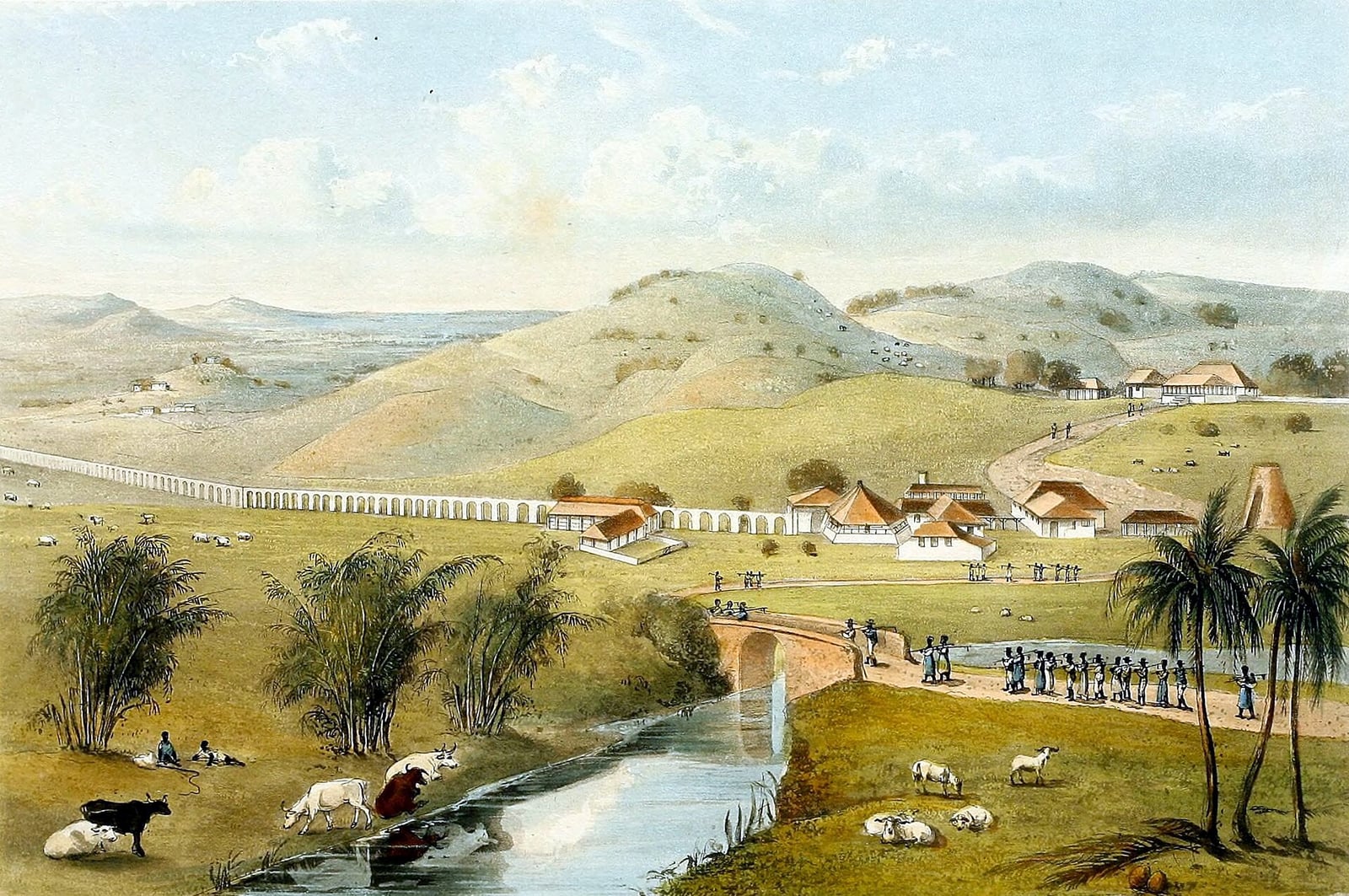
Tacky’s Revolt Shakes British Jamaica
An uprising led by enslaved Akan men became one of the most serious in the British Caribbean.
Before dawn on Easter Monday, 7 April 1760, an organized insurrection broke out across Saint Mary Parish in British-ruled Jamaica. Enslaved Akan workers, historically known in the colony as Coromantees, seized the Frontier and Trinity plantations and killed overseers stationed there. Led by Tacky, a high-ranking Fante chief captured in West Africa and sold into Caribbean bondage, the insurgents swiftly marched upon Fort Haldane overlooking Port Maria. After killing the storekeeper, they took roughly four barrels of gunpowder and forty firearms, quickly spreading the rebellion to estates throughout the parish.
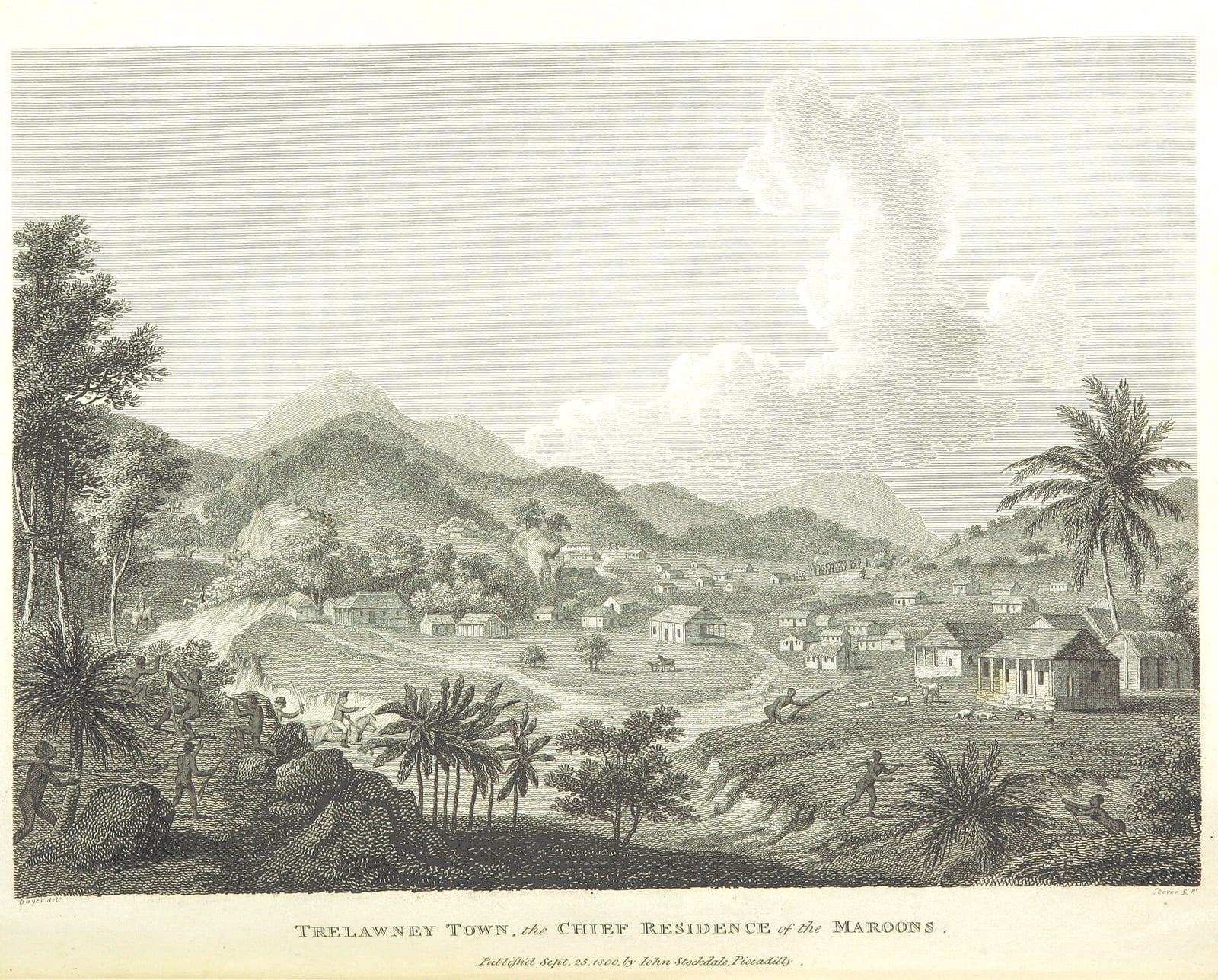
The rising drew hundreds of recruits as Tacky's forces occupied the countryside. In response, Lieutenant Governor Sir Henry Moore proclaimed martial law and mobilized regular troops from the 74th Regiment alongside the colonial militia. Crucially, the authorities also summoned detachments of Jamaican Maroons from settlements such as Scott's Hall, Charles Town, and Moore Town. Obligated by earlier treaties to assist the colonial administration in suppressing slave rebellions, the Maroons joined regular and black militia units in hunting the rebels across the forested interior.

Keep reading in Yester
Coming soon to the App Store
Keep following the story
Sources
Image: James Hakewill