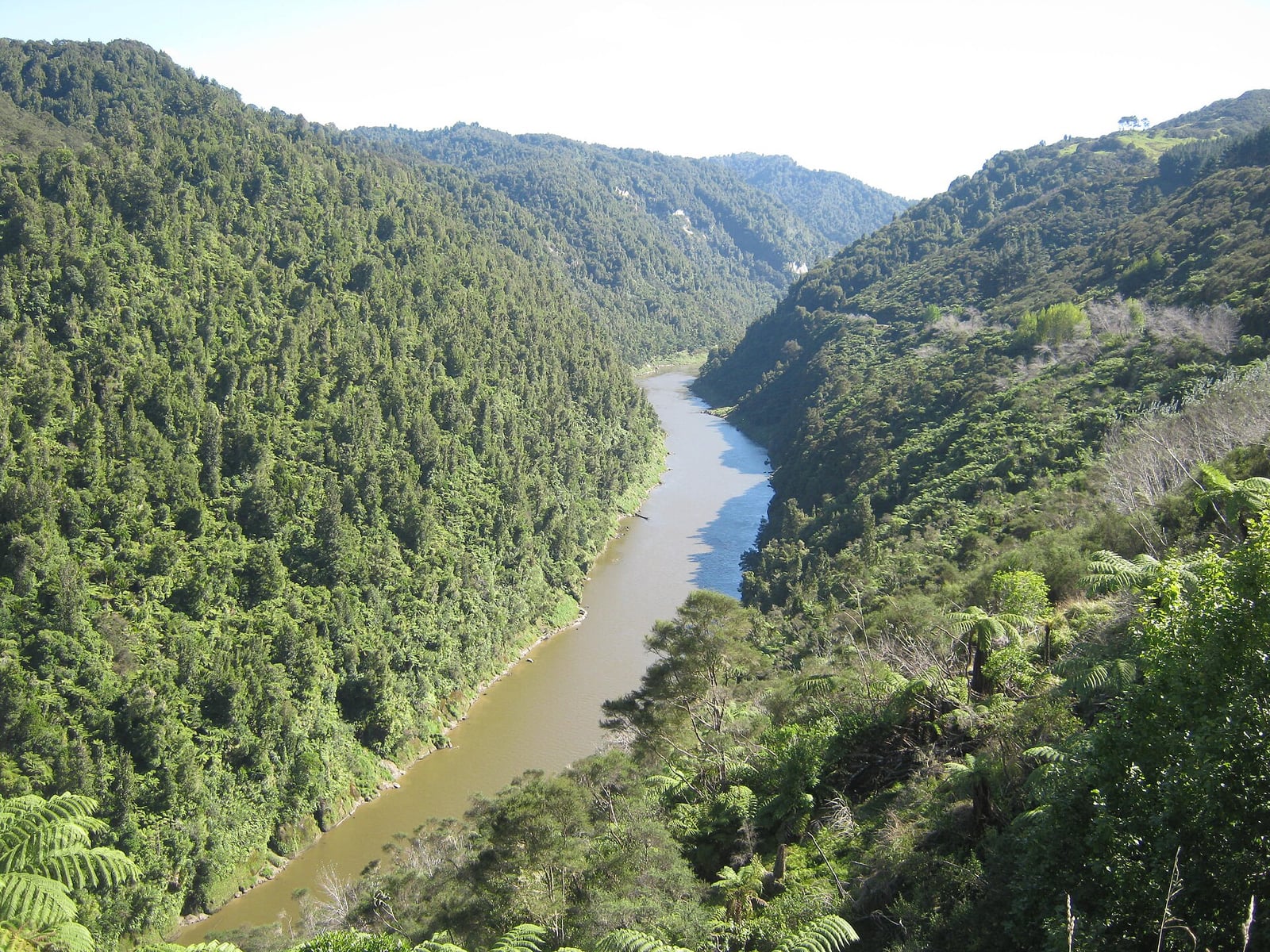
New Zealand Grants the Whanganui River Legal Personhood
After a long Māori claim, a law recognized the river as an indivisible living being.
On 15 March 2017, the Parliament of New Zealand passed into law the Te Awa Tupua (Whanganui River Claims Settlement) Act 2017, conferring upon the Whanganui River the full rights, duties, and liabilities of a legal person. This legislative milestone brought a formal conclusion to roughly 140 years of dispute between local Maori communities and the central government. In legal terms, the designation recognized the waterway as an indivisible, living whole, represented directly in administrative affairs by two appointed guardians, one nominated by regional Maori and the other by the Crown.
Known to local Maori as Te Awa Tupua, the river represents a sacred taonga, or treasure, holding profound cultural and spiritual importance. Spanning 290 kilometres from the northern slopes of Mount Tongariro through the King Country to the coast at Whanganui, the river was heavily populated by Maori long before European contact. Traditional accounts explain its creation through dramatic physical rifts, such as the separation of Mount Taranaki from the central plateau, or as tears shed from the sky upon the North Island. Across many generations, it sustained large riverside villages and formed a central travel artery despite more than 200 turbulent rapids.

Keep reading in Yester
Coming soon to the App Store
Keep following the story

Sources
Image: Prankster