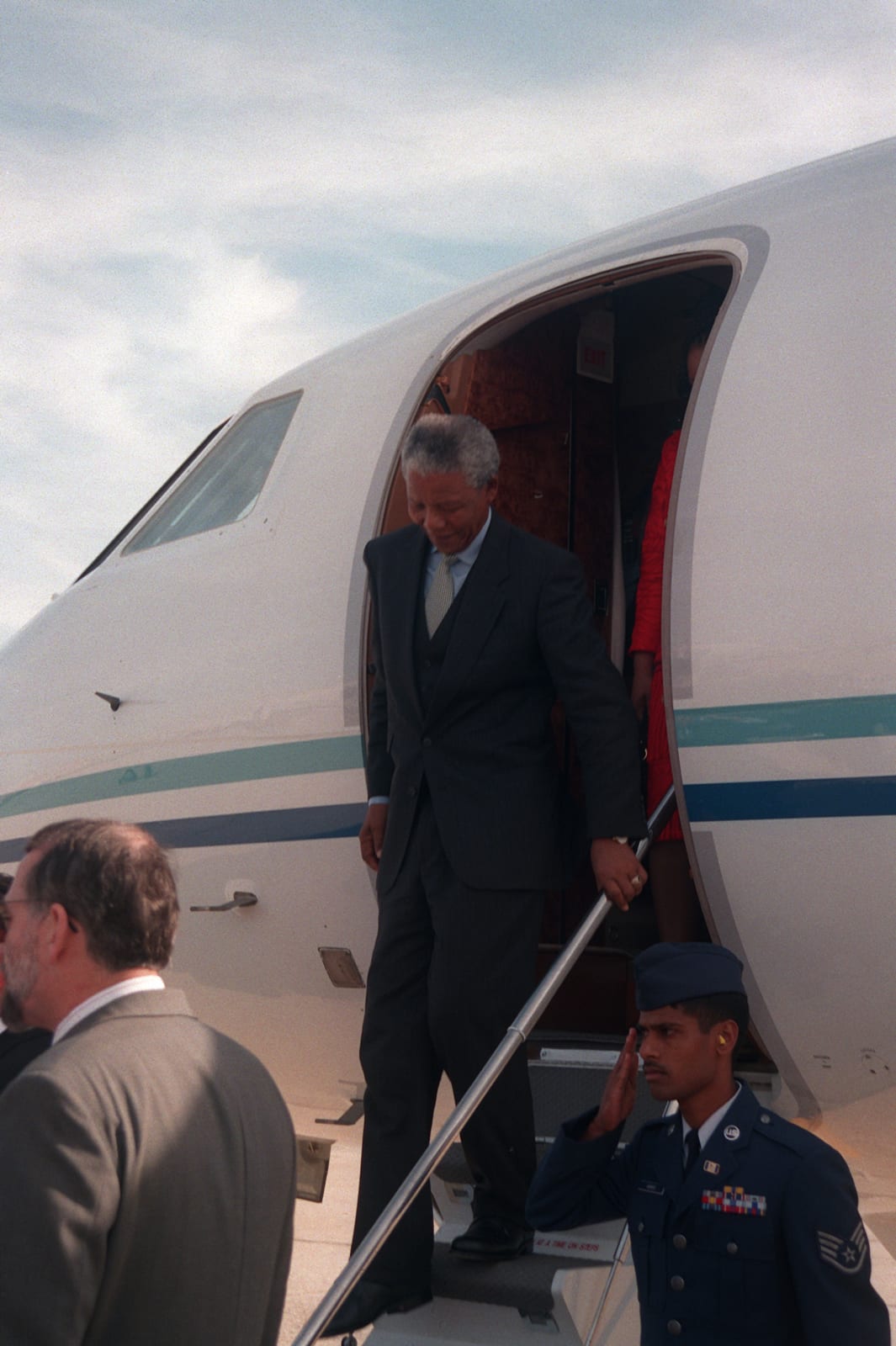
South Africa Votes Beyond Apartheid
South Africa achieved its first fully inclusive democratic election in 1994, bringing Nelson Mandela to the presidency under an interim constitutional order. While the vote established equal political rights, it began a longer journey to address generations of deeply rooted inequality.
The release of Nelson Mandela from prison in 1990 did not automatically establish democracy in South Africa. Moving away from apartheid required extensive negotiations to construct a new constitutional order, even after bans on major opposition organizations were lifted. Throughout the talks from 1990 to 1993, political violence and deep-seated distrust left the country's political transition highly uncertain.
By April 1994, South Africans prepared to vote under an interim constitution. Organizing the country's first national democratic election open to all races meant overcoming significant logistical hurdles alongside widespread fear and intimidation. For millions of citizens previously excluded under apartheid, taking part in the poll offered their first experience of equal national political rights.

Keep reading in Yester
Coming soon to the App Store
Keep following the story
Sources
Image: Department of Defense. American Forces Information Service. Defense Visual Information Center. 1994