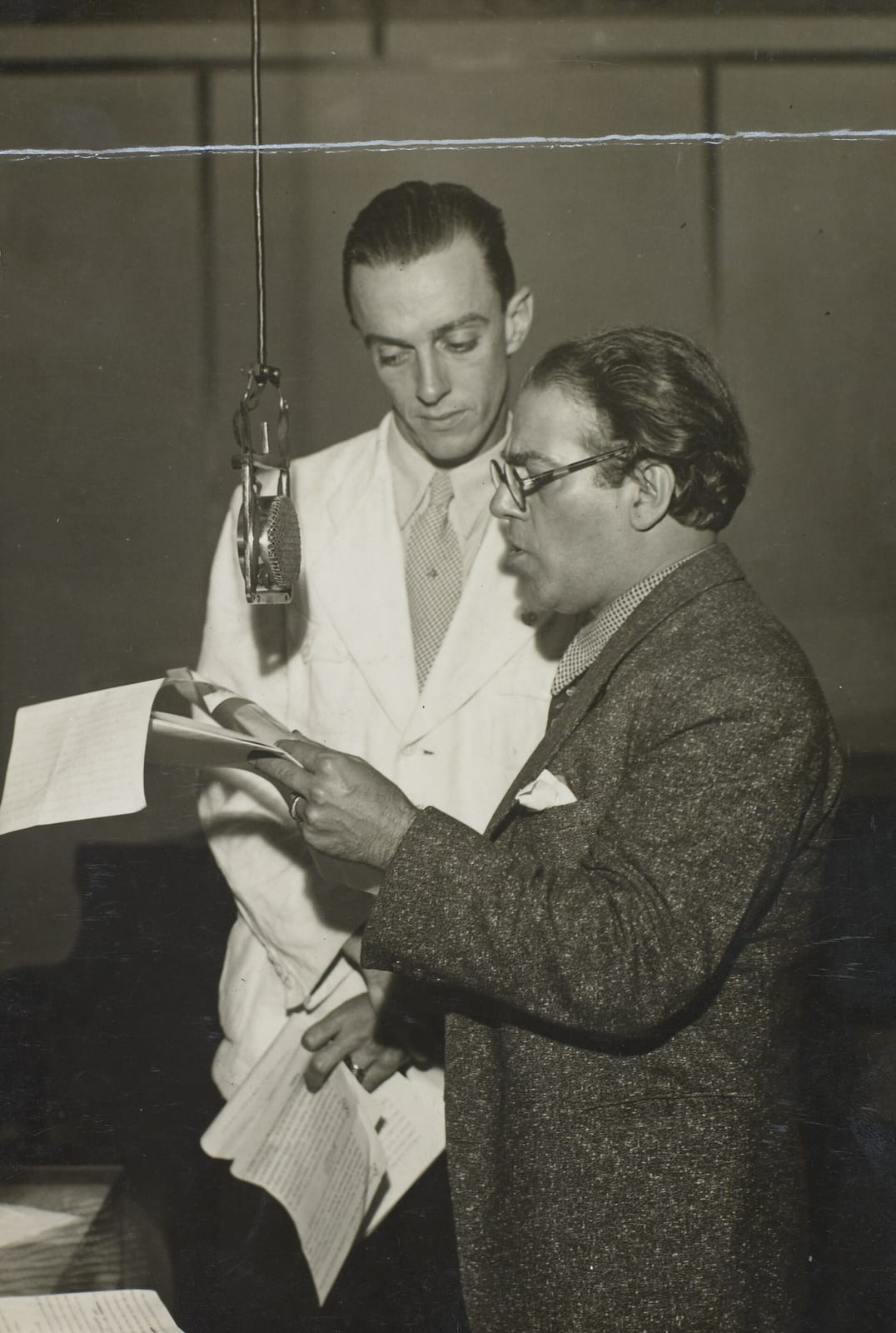
Villa-Lobos Brings Bach into a Brazilian Sound World
Bachianas Brasileiras No. 1 joined the composer’s engagement with Bach to musical ideas rooted in Brazil. The result was neither a simple imitation nor a tidy division between classical and popular music.
In 1930, the Brazilian composer Heitor Villa-Lobos was forced to alter his career after a national revolution curtailed his travel. Having returned to Brazil to conduct, he discovered that currency restrictions prevented him from transferring funds abroad to maintain his lodgings in Paris. Instead of returning to the French capital where he had spent substantial parts of the previous decade, Villa-Lobos remained in Brazil, organising regional concerts and taking on an expanding civic role in musical life.
His domestic isolation coincided with the beginning of the presidency of Getúlio Vargas. In 1932, Villa-Lobos assumed leadership of the Superintendência de Educação Musical e Artística, commonly known as SEMA. In that capacity, he directed musical education and organised extensive public concerts, presenting major European choral pieces alongside Brazilian compositions. His public responsibilities increasingly demanded patriotic hymns, pedagogical vocal exercises, and large-scale civic pageants, including performances by massed choirs of school children.

Keep reading in Yester
Coming soon to the App Store
Keep following the story
Sources
Image: Unknown Unknown