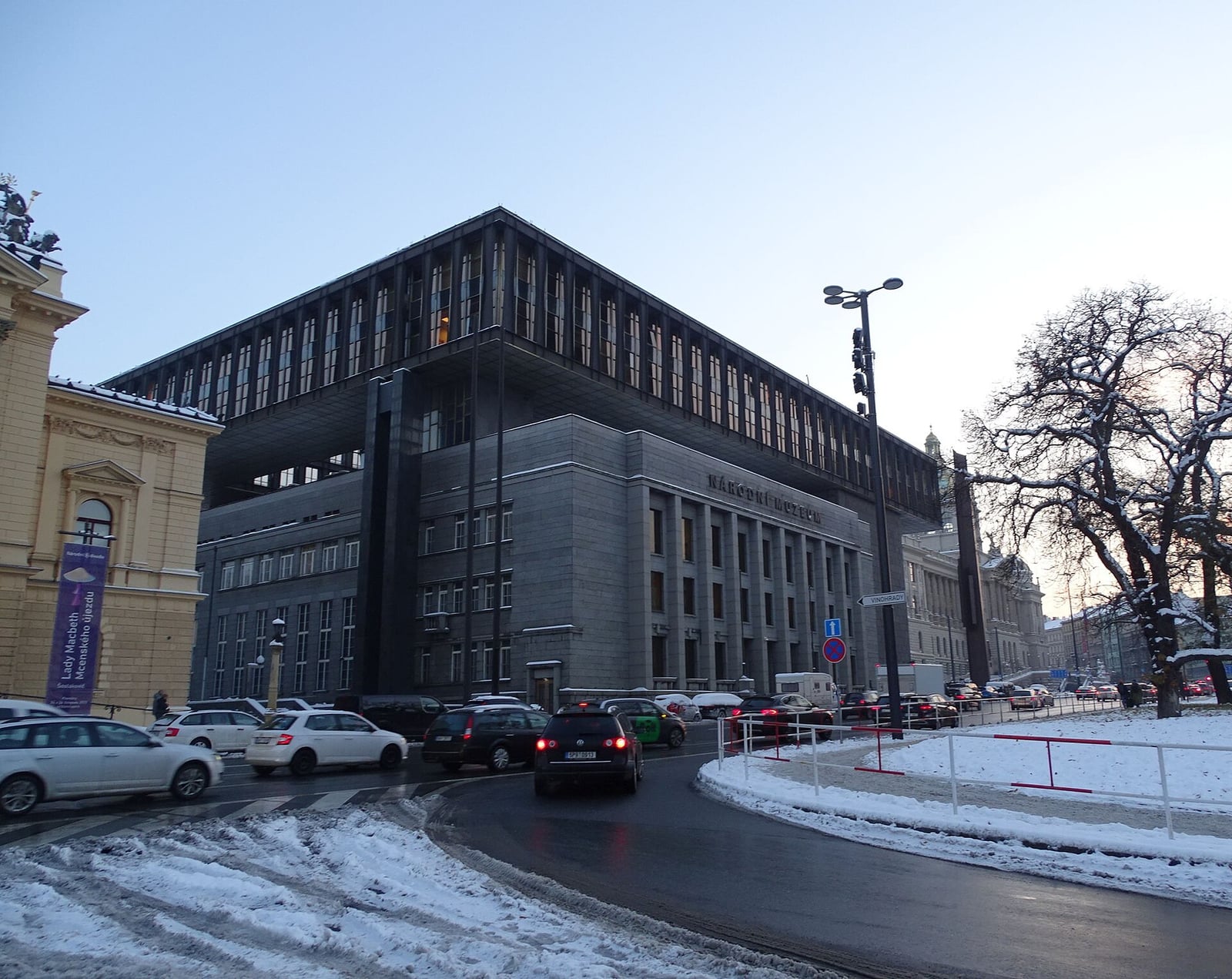
Czechoslovakia Splits Peacefully in Two
The Czech Republic and Slovakia became separate states without violence.
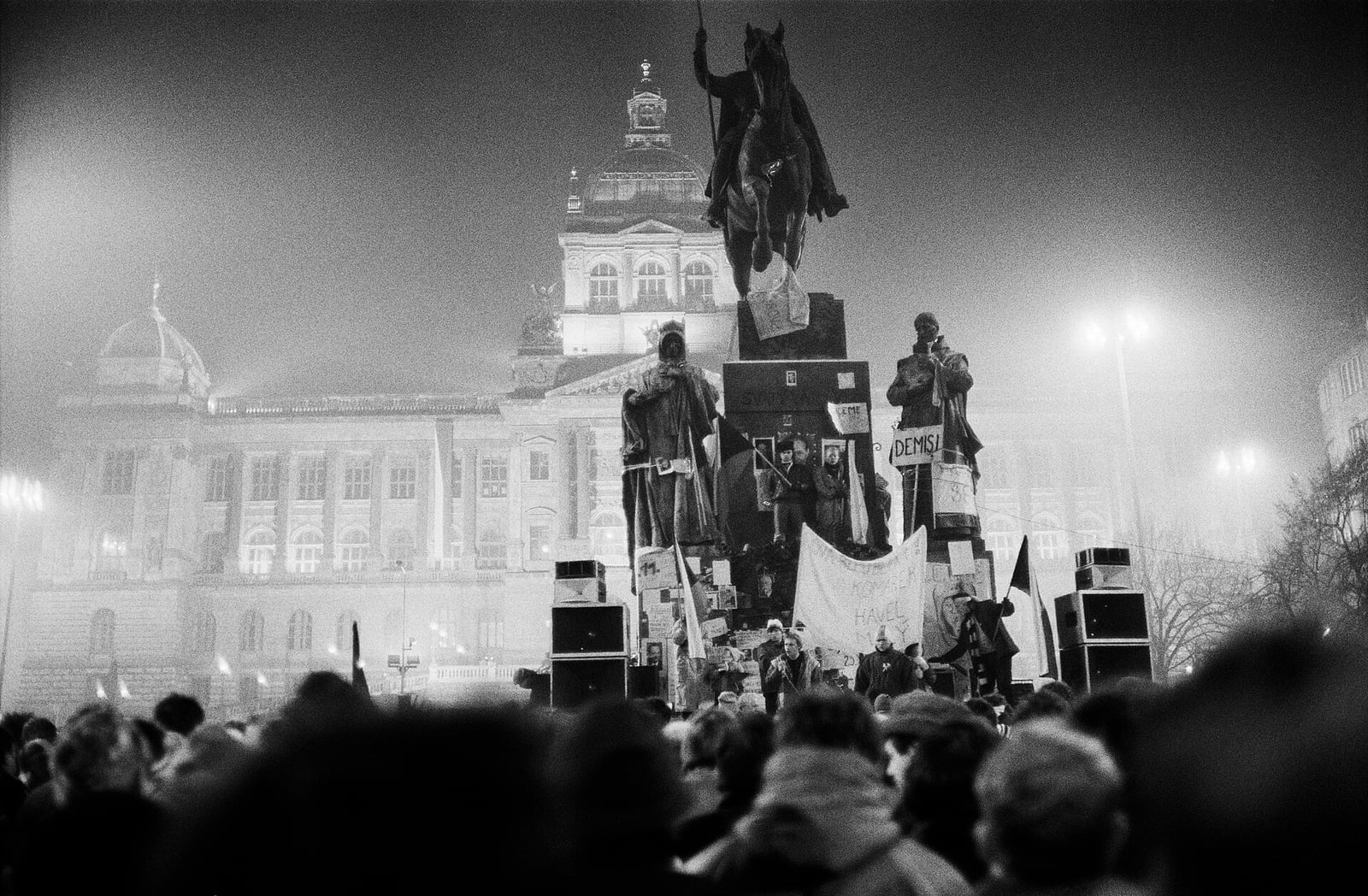
At midnight on December 31, 1992, Czechoslovakia ceased to exist, peacefully dividing into the independent Czech Republic and Slovakia. Known widely as the Velvet Divorce, this orderly separation stood in sharp contrast to the violent fracturing of Yugoslavia occurring during the same era. Just three years earlier, peaceful mass mobilizations in the Velvet Revolution had ended communist rule, yet the restored democratic order soon exposed deep-seated structural and regional disagreements over how the shared state should be governed.
Tensions between the two nations had historical roots extending back to the founding of Czechoslovakia in 1918 following the collapse of Austria-Hungary. Although early pacts anticipated a union of two equal partners, central administration frequently concentrated power in Prague. By the early 1990s, economic disparities and disagreements over the pace of market reform further strained relations. Slovak political figures increasingly demanded decentralization or a loose confederation, while Czech leaders pushed for either a tightly integrated federation or outright separation.

Keep reading in Yester
Coming soon to the App Store
Keep following the story
Sources
- "It was falling apart by itself": Czechoslovakia's Velvet Divorce (Radio Prague International)
- The house where two countries were created (CNN, via KRDO)
- The Velvet Divorce: A Peaceful Breakup in Post-Communist Czechoslovakia (Association for Diplomatic Studies and Training)
- Growth in United Nations membership (United Nations)
- Slovak koruna: history (National Bank of Slovakia)
- Scottish independence: what lessons from the break-up of Czechoslovakia? (Economics Observatory)
- Dissolution of Czechoslovakia
Image: ŠJů