Vavilov Searches the World for Crop Diversity
Seeds and field expeditions supported a global theory of crop origins before political repression destroyed his career.
In 1916, Russian botanist Nikolai Vavilov undertook an expedition to Iran to collect crop varieties, returning with 171 legume seed samples previously unknown to Russian agriculture. Observing the wide variation of peas, lentils, and chickpeas in the region, he deduced that cultivated legumes originated in Southwest Asia. Over the following decade, this fieldwork laid the empirical basis for a broader theory. Vavilov concluded that domestic crops had emerged not uniformly across the globe, but within distinct geographical centers characterized by intense genetic diversity.
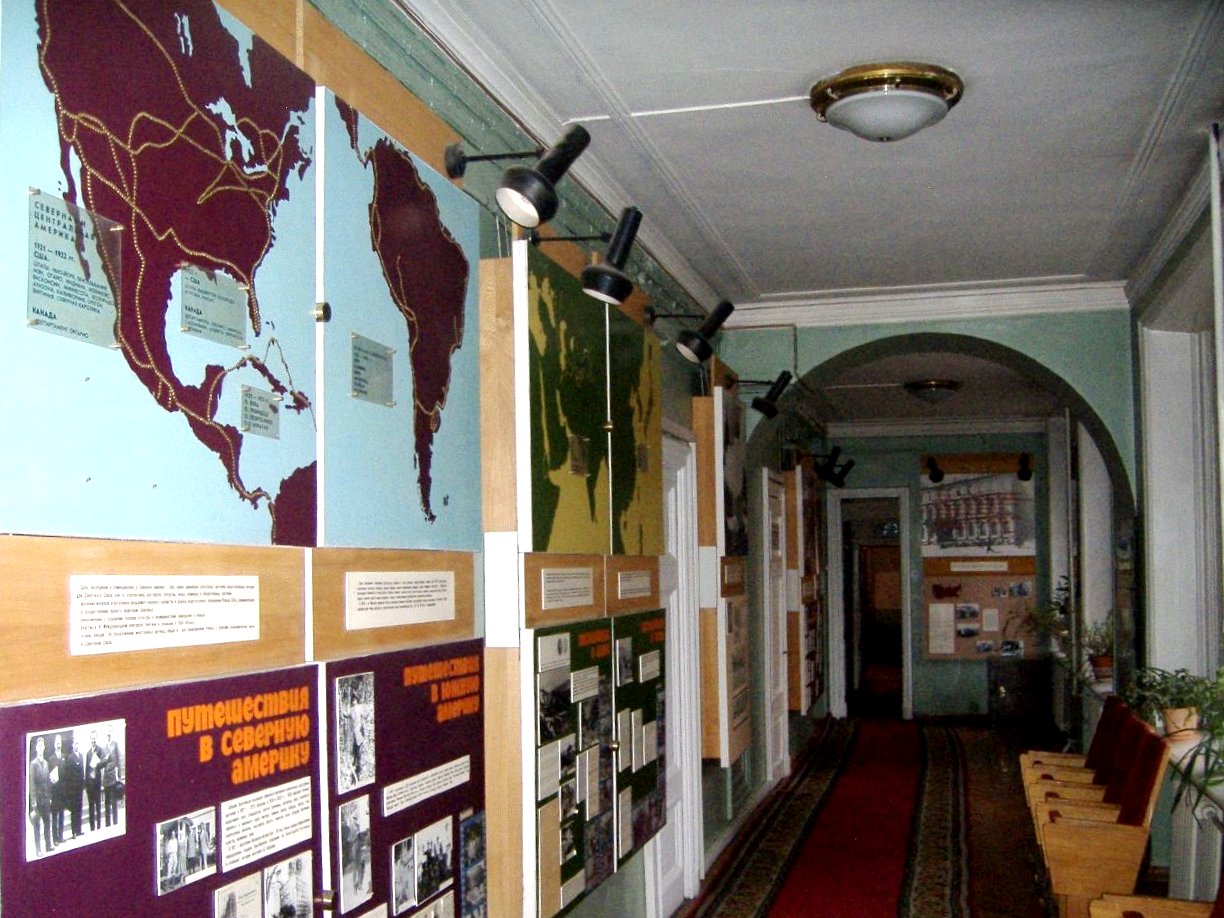
Driven by memories of his father's upbringing during recurring famines, Vavilov directed his agronomic studies toward securing food supplies. After leading the Bureau of Applied Botany in Leningrad from 1920, and later the Lenin All-Union Academy of Agricultural Sciences, he coordinated widespread international collecting efforts. He journeyed through North America, the Mediterranean, the high plains of Central Asia, and the Horn of Africa. During his 1926 travels across Ethiopia and the Mediterranean, he documented critical centers of crop diversity, collecting fast-maturing Palestinian white lupins and investigating how local legumes sustained soil fertility and dietary protein.

Keep reading in Yester
Coming soon to the App Store
Keep following the story

Sources
Image: Luigi Guarino from Suva, Fiji