Janaki Ammal Studies Plants Across Scientific Borders
Cytogenetics, crop research and botanical collecting shaped an Indian scientist’s international career.
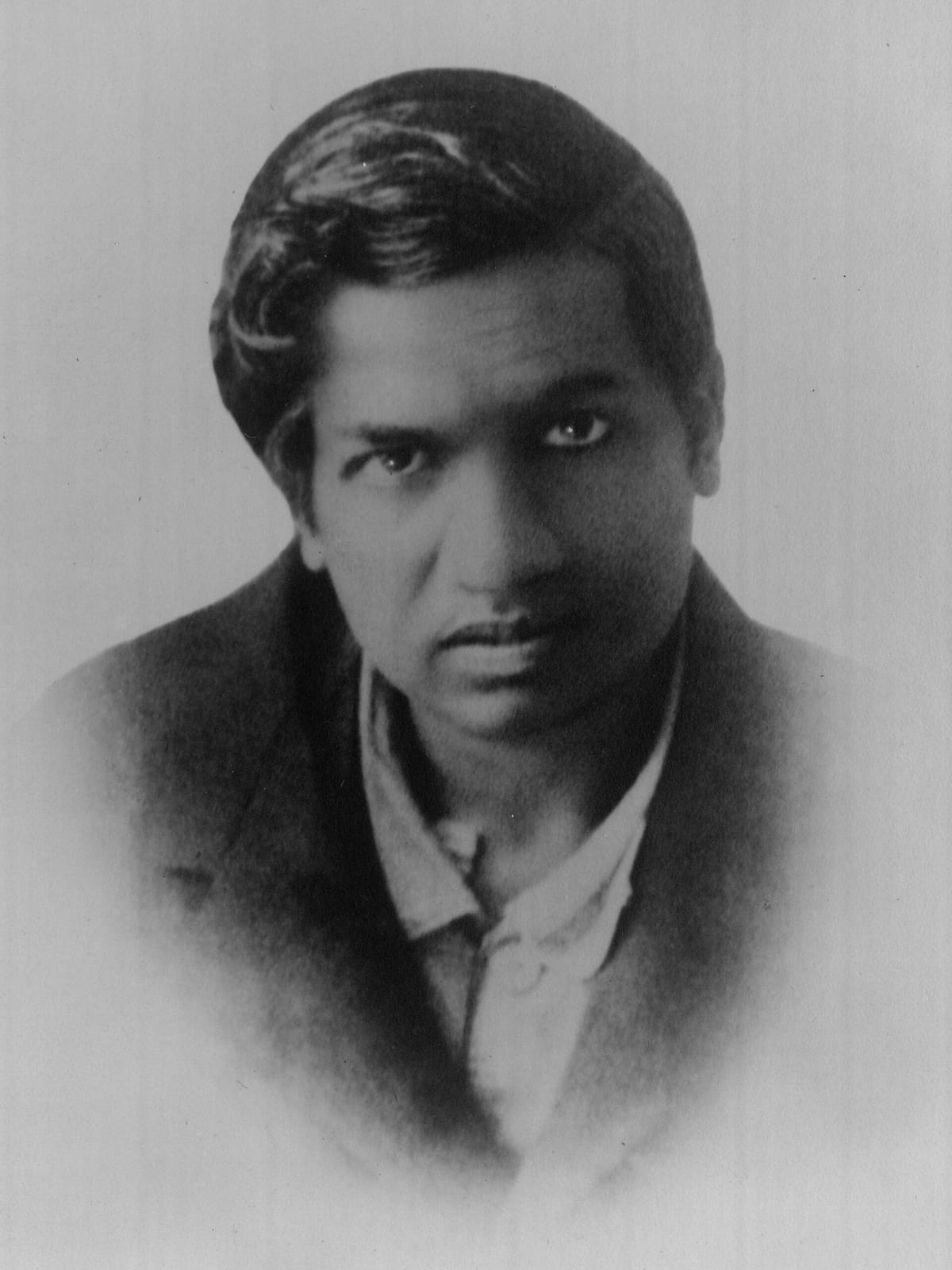
Edavalath Kakkat Janaki Ammal pursued botany across continents during an era when few women found professional pathways in laboratory science. Born in 1897 in Thalassery, Kerala, she turned away from traditional domestic expectations, choosing an academic career instead. After earning degrees from Queen Mary's College and Presidency College in Madras, she traveled to the United States on a Barbour Scholarship at the University of Michigan. She earned a master's degree in 1926 and returned to Ann Arbor to complete a doctoral thesis on the cytogenetics of Nicandra physaloides in 1931, becoming one of the earliest Indian women to receive a doctorate in botany.
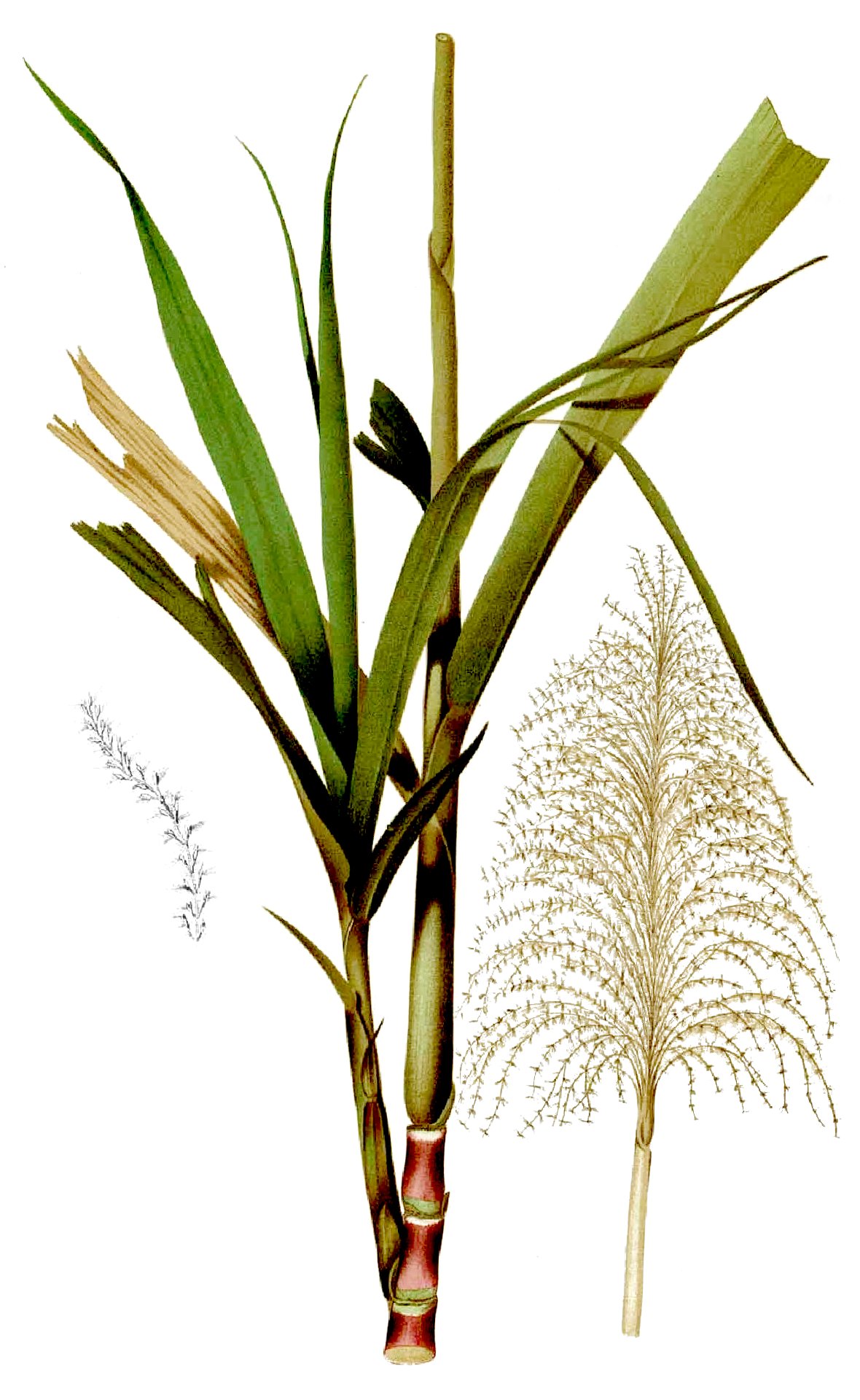
Returning to India, Ammal served briefly as an assistant professor at the Maharaja's College of Science in Trivandrum before taking up research at the Sugarcane Breeding Station in Coimbatore. At the time, India relied on imported sugarcane varieties from Southeast Asia to satisfy demand for sweeter crops. Ammal focused on manipulating polyploid cells through hybridization, creating high-yielding crosses capable of thriving in regional agricultural conditions. Her cytogenetic analyses also traced the geographical distribution of cane varieties, supporting the conclusion that Saccharum spontaneum originated in India. Professional tensions over her gender and caste background, however, complicated her standing among her male colleagues.

Keep reading in Yester
Coming soon to the App Store
Keep following the story
Sources
Image: Francisco Manuel Blanco (O.S.A.)