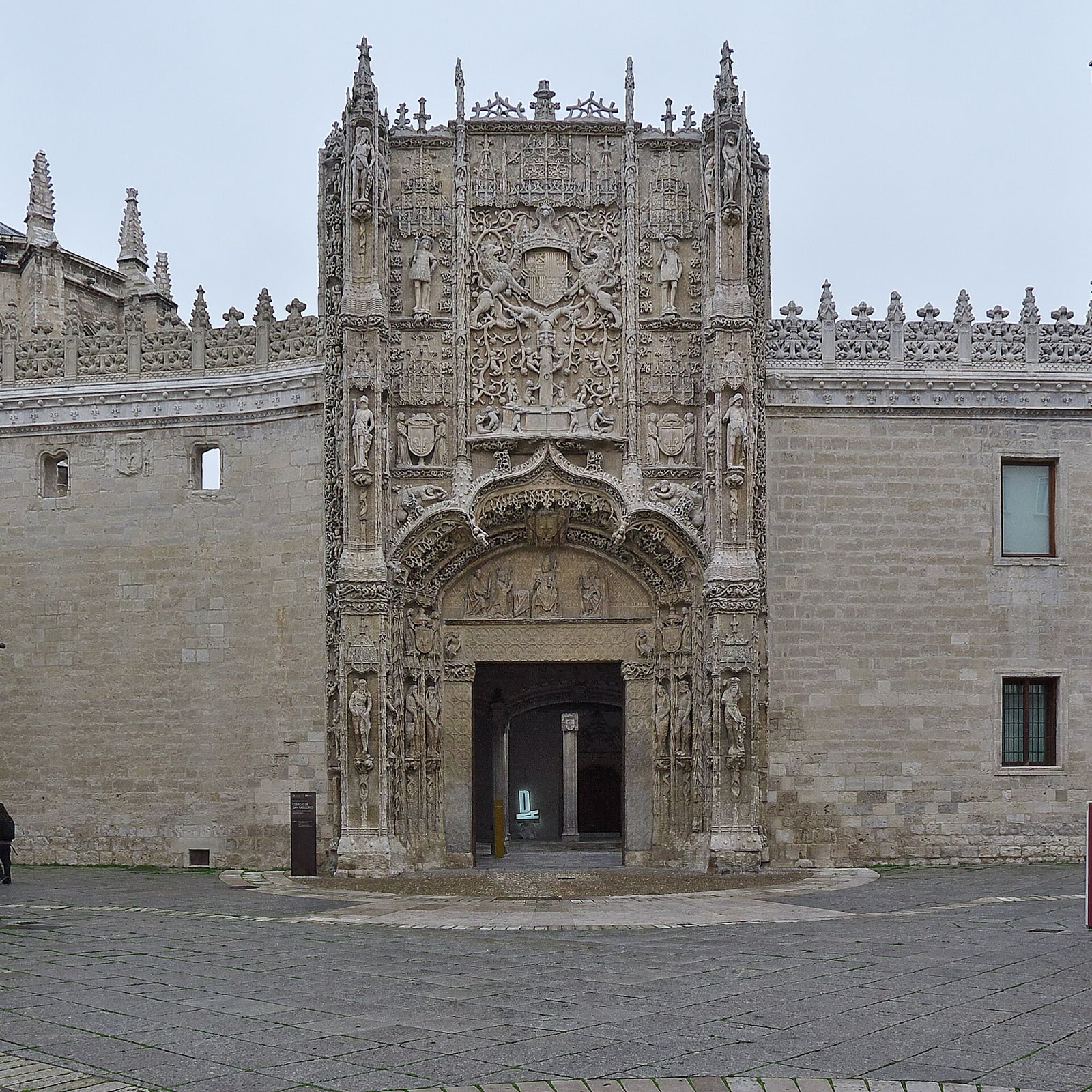
Spain Debates the Morality of Conquest at Valladolid
Bartolomé de las Casas argued against the claim that Native Americans could rightly be subjugated.
In 1550, King Charles I of Spain commanded an extraordinary halt to military expansion across the Americas until the moral legitimacy of imperial conquest could be formally reviewed. At the Colegio de San Gregorio in the Spanish city of Valladolid, the monarch gathered an assembly of distinguished theologians and legal scholars to adjudicate the dispute. The gathering, which extended into 1551, was intended to resolve deep divisions within the empire concerning the rights of Indigenous peoples, the legitimacy of waging war to convert them to Catholicism, and the future governance of colonial holdings.
The primary impetus for the inquiry came from the Dominican friar Bartolomé de las Casas, who had spent decades condemning the brutal mistreatment of native populations under the encomienda system of forced labor. Influenced by earlier reform efforts, including the papal bull Sublimis Deus in 1537 and the passage of the New Laws in 1542, Las Casas stood before the assembly to insist that Indigenous Americans were rational human beings who lived as free people in the natural order. From his perspective, their religious conversion had to be pursued entirely through peaceful persuasion, without coercion or armed subjugation.

Keep reading in Yester
Coming soon to the App Store
Keep following the story
Sources
Image: Jose Luis Filpo Cabana