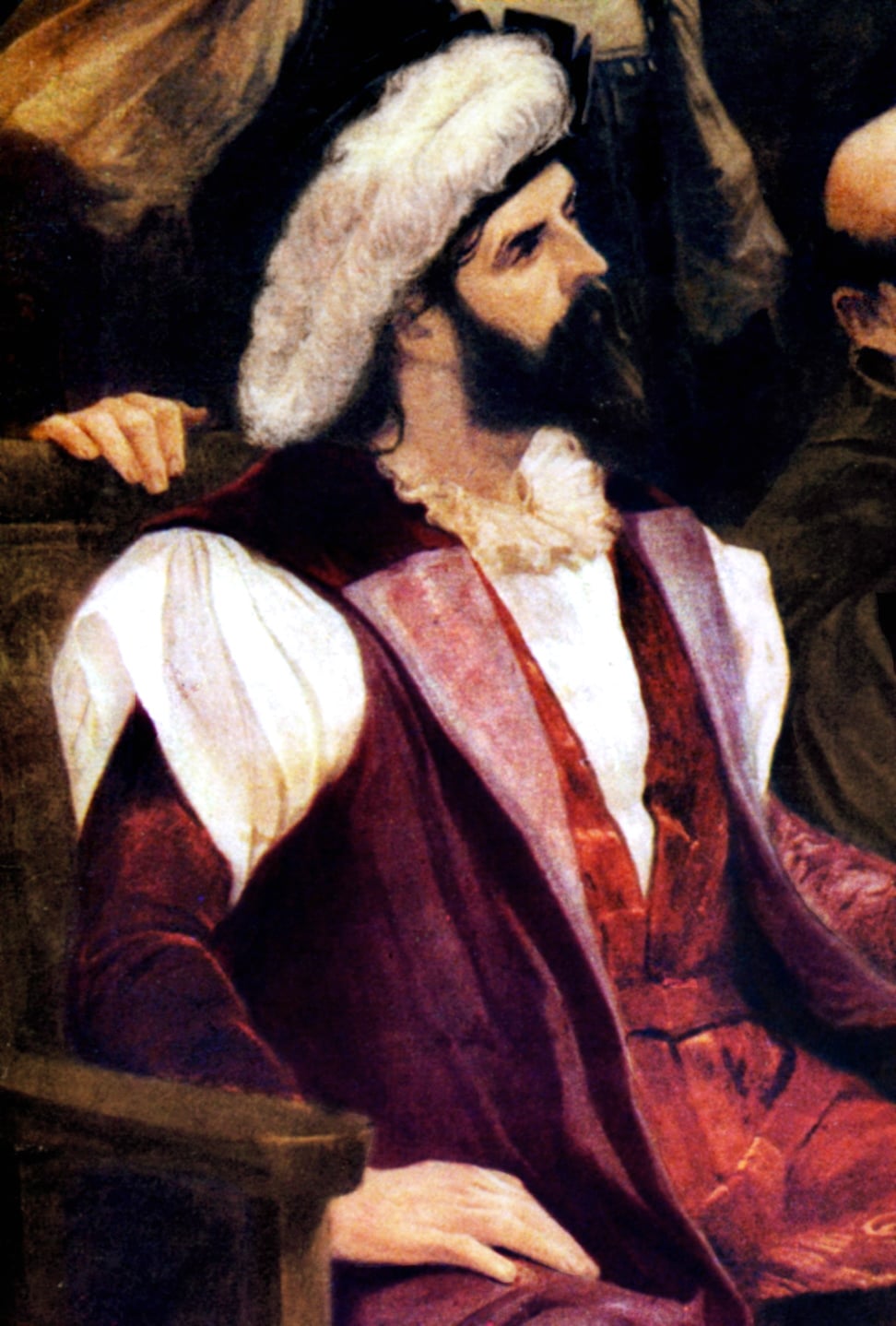
Cabral’s Fleet Lands in Brazil on the Way to India
A Portuguese fleet swinging wide into the Atlantic reached a coast it claimed for Portugal.
On March 9, 1500, a fleet of thirteen vessels commanded by Pedro Álvares Cabral departed Lisbon under royal orders from King Manuel I. Tasked with establishing commerce in India and bypassing the merchant networks dominating the spice routes, Cabral set out along the oceanic course pioneered by Vasco da Gama. Rather than clinging closely to the West African shoreline, the Portuguese flotilla executed a broad maneuver into the open Atlantic known as the volta do mar. After crossing the equator and veering far westward, lookout crews sighted floating seaweed, followed on April 22 by a prominent rise Cabral designated Monte Pascoal on the eastern coast of South America.
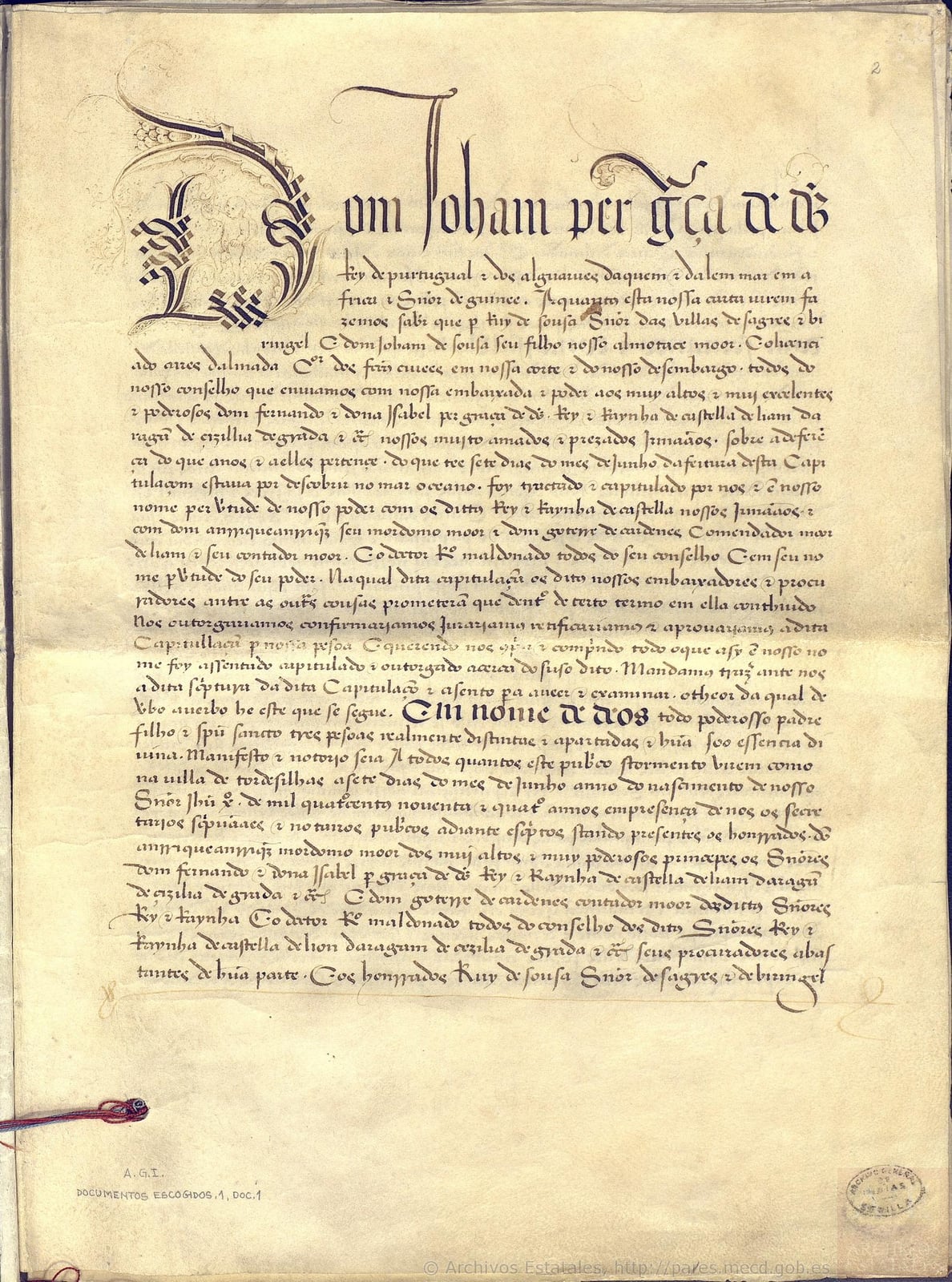
Within days the squadron anchored at a natural haven Cabral named Porto Seguro. There, Portuguese envoys made initial peaceful contact and traded gifts with the local Tupiniquim people, who supported themselves through foraging, hunting, and small-scale cultivation. Cabral's crews erected an altar inland to celebrate a Christian Mass, and sailors fashioned a massive wooden cross to mark their presence. Determining that the territory sat east of the boundary defined by the Treaty of Tordesillas, Cabral claimed the land for the Portuguese Crown under the name Ilha de Vera Cruz, soon dispatching a supply vessel back to Lisbon to inform the king.

Keep reading in Yester
Coming soon to the App Store
Keep following the story
Sources
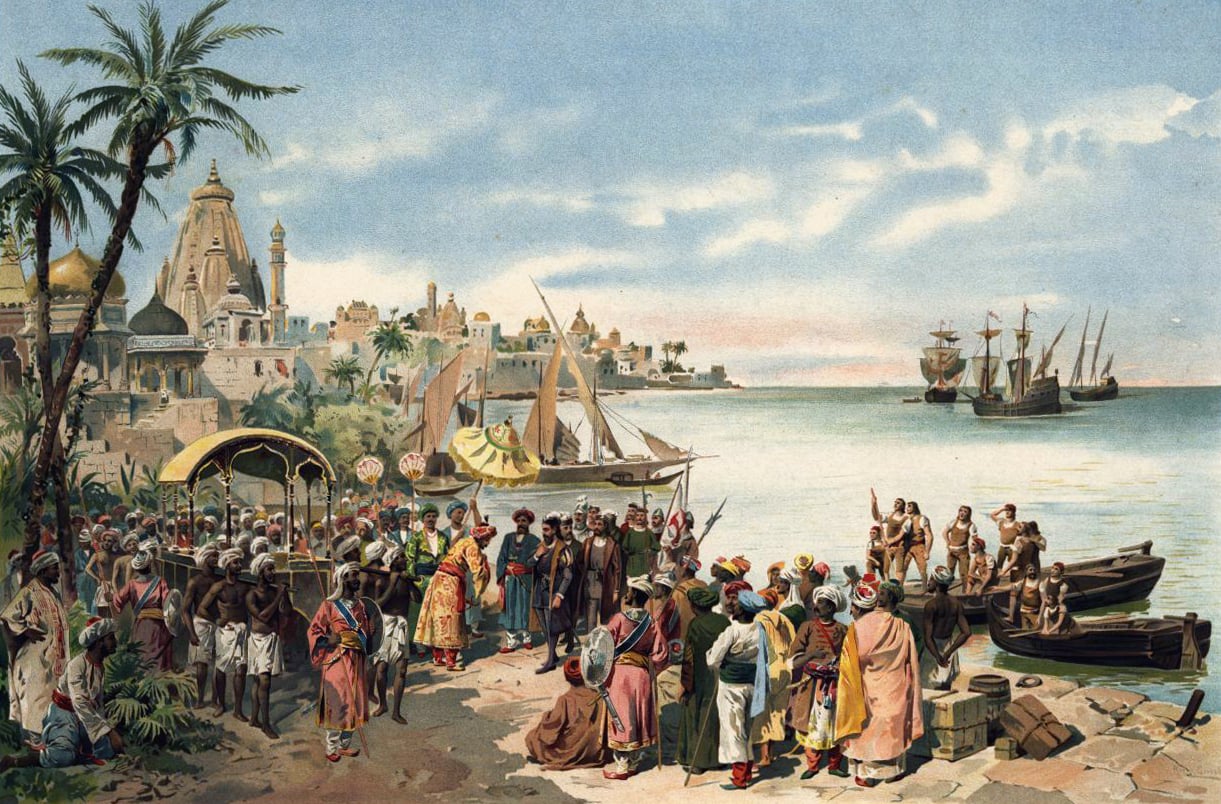
Image: Aurélio de Figueiredo