Trypillia Farmers Build Settlements of Thousands
Some of Europe’s largest Neolithic settlements rose in Ukraine and were burned on purpose.
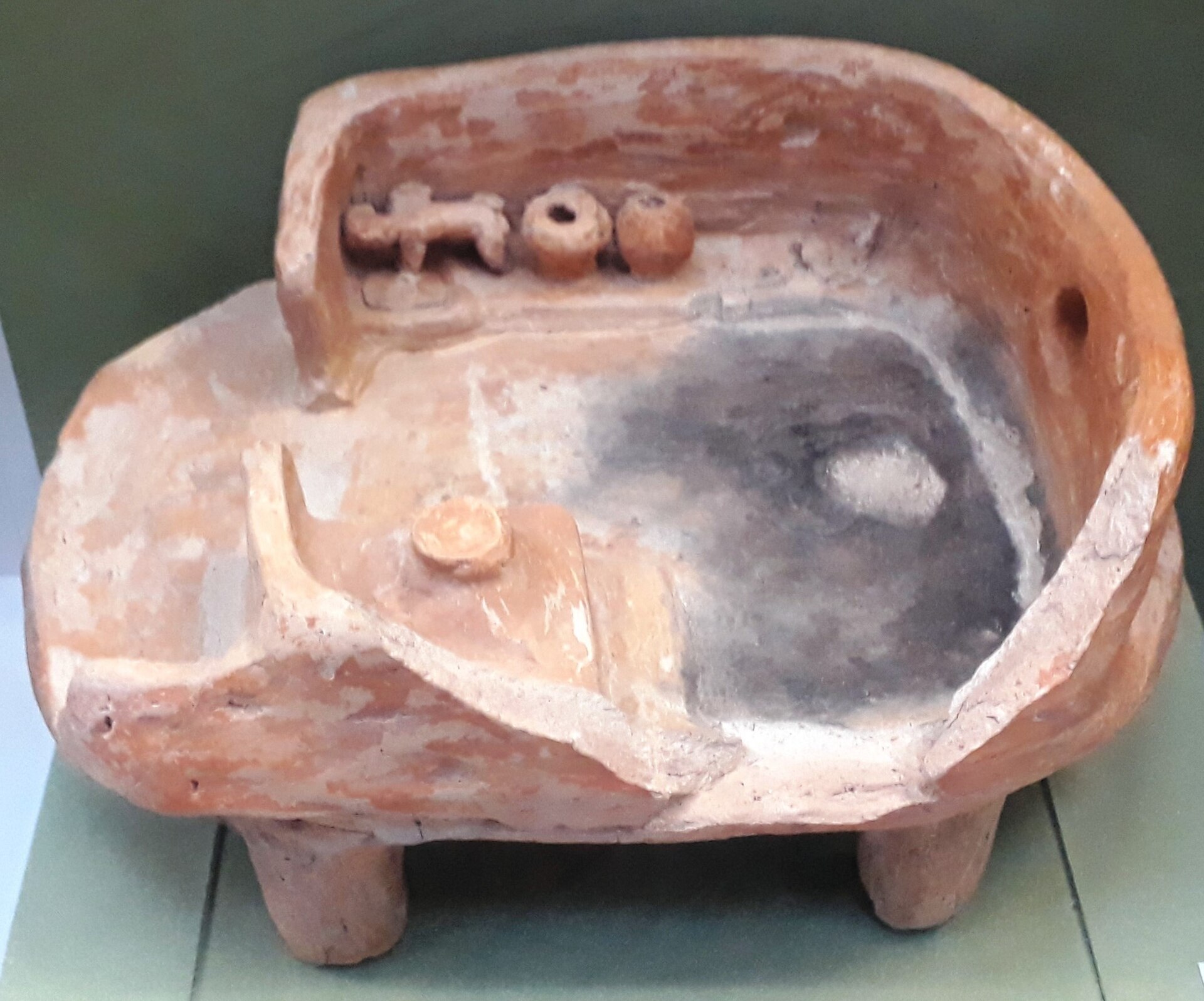
Across the river valleys and rolling plateaus of modern Moldova, western Ukraine, and northeastern Romania, the Neolithic Cucuteni–Trypillia culture established some of the largest human aggregations in the prehistoric world. Emerging from interactions between local foraging networks and neighbouring farming traditions, this cultural complex expanded over an area of roughly 350,000 square kilometres. Its flourishing coincided with the Atlantic and Subboreal climatic intervals, when moist, temperate conditions supported productive agriculture across the Podolian Upland and surrounding forest-steppe.
Although the majority of Cucuteni–Trypillia sites were modest agrarian hamlets placed three to four kilometres apart, the Middle Period between 4100 and 3500 BC witnessed the emergence of immense mega-sites. Unlike earlier dense agglomerations like Anatolian Çatalhöyük, these settlements incorporated thousands of buildings arranged across broad swathes of land. In the Dnieper and Southern Bug basins, massive planned settlements featured nested concentric circuits of timber-framed dwellings with clay floors and wattle-and-daub walls. The largest of these localities contained up to three thousand individual structures and may have housed populations that researchers have estimated at roughly 7,500 to 25,000 residents, though such figures assume that most houses stood at the same time.

Keep reading in Yester
Coming soon to the App Store
Keep following the story
Sources
- Trypillia Mega-Sites Avoided Wealth Inequalities between Individual Households, Archaeologists Say (Sci.News, reporting Kiel University research)
- Chronology and Demography: How Many People Lived in a Mega-Site? (Müller, Videiko et al., Borys Grinchenko Kyiv University repository)
- "Burned House" Mystery: Why Did This Ancient Culture Torch Its Own Homes Every 60 Years? (JSTOR Daily)
- Cucuteni–Trypillia culture
Image: O.Mustafin