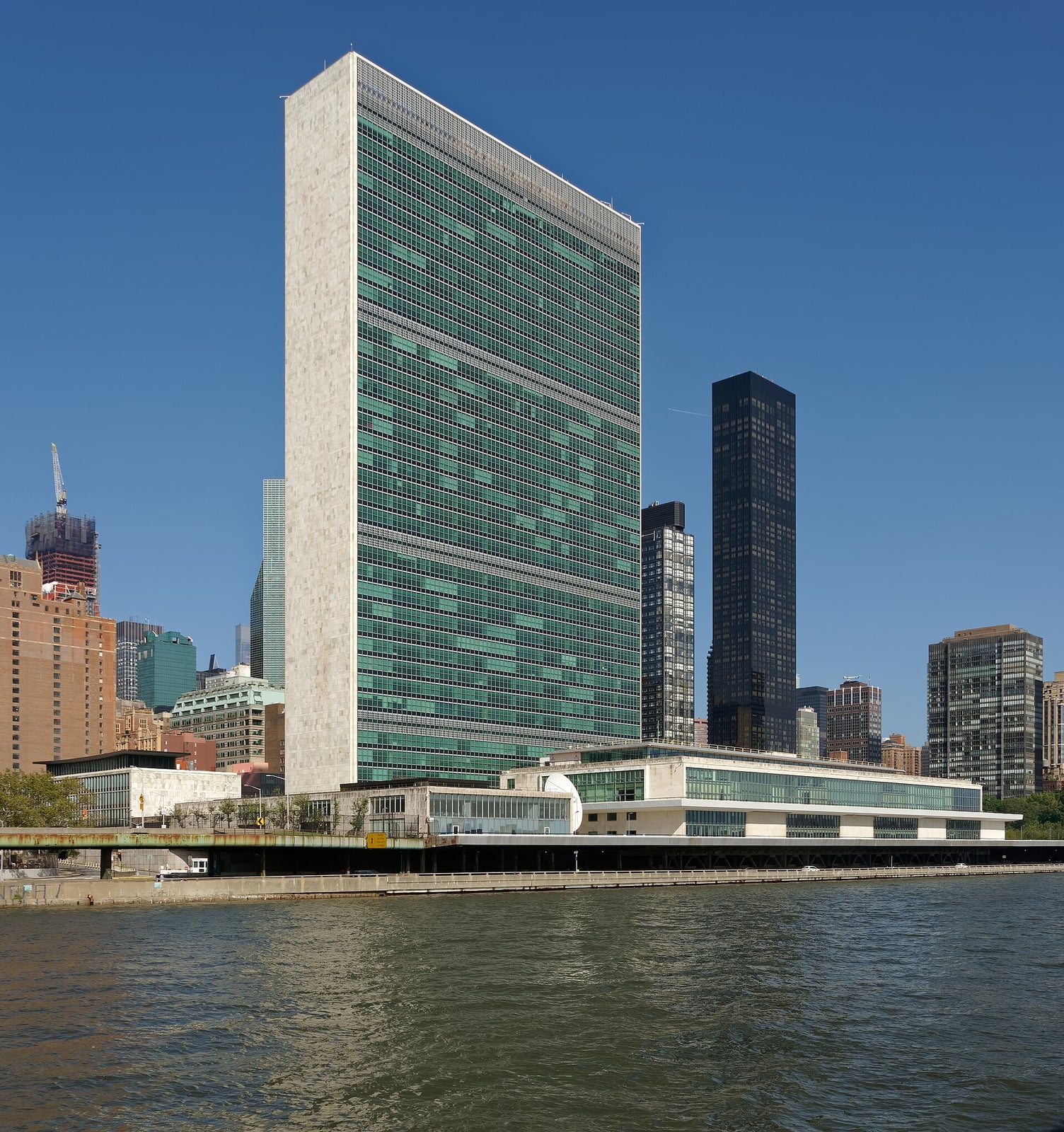
122 Nations Vote for a Treaty Banning Nuclear Weapons
The treaty outlawed nuclear arms for the countries that joined, though no nuclear power signed.
On July 7, 2017, delegates at United Nations headquarters in New York concluded months of diplomatic drafting by voting to adopt the Treaty on the Prohibition of Nuclear Weapons. The conference president, Costa Rican ambassador Elayne Whyte Gómez, oversaw the final ballot, which concluded with 122 nations voting in favor, the Netherlands voting against, and Singapore recording an abstention. The resulting document established the first comprehensive, legally binding international prohibition against developing, testing, stockpiling, transferring, deploying, or threatening the use of nuclear armaments.
The initiative grew out of frustration among non-nuclear states over the sluggish pace of global disarmament under the 1968 Treaty on the Non-Proliferation of Nuclear Weapons. Following an NPT review conference in 2010 where established nuclear powers resisted discussions on a universal abolition convention, non-aligned countries and advocacy organizations pursued an alternative route. Three international conferences held in Norway, Mexico, and Austria between 2013 and 2014 focused attention on the humanitarian fallout of atomic detonations, arguing that stigmatizing and outlawing specific classes of weapons had historically preceded their physical destruction.

Keep reading in Yester
Coming soon to the App Store
Keep following the story
Sources
Image: Jakub Hałun