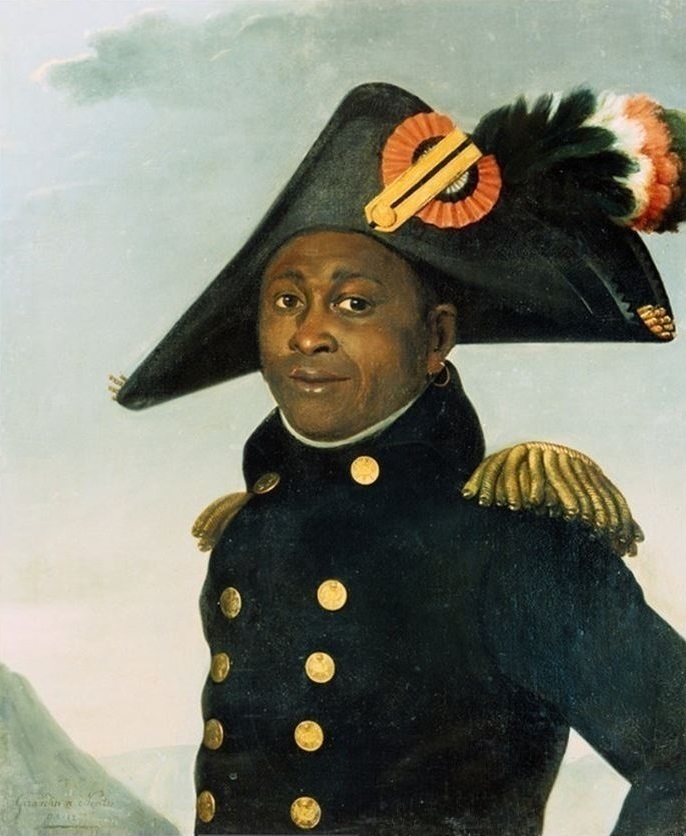
Toussaint Louverture Writes Autonomy into a Constitution
A constitutional project tried to secure freedom from slavery while concentrating power during a continuing revolution.
In 1801, Toussaint Louverture took the dramatic step of promulgating a colonial constitution for Saint-Domingue, consolidating his military dominance over the island while testing the limits of French sovereignty. Having risen from enslavement to become the commander of a revolutionary army, Louverture used the document to codify the abolition of slavery. Article 3 declared that servitude was forever eliminated and that all inhabitants were born, lived, and died free and French. Yet rather than declaring outright separation from metropolitan rule, the text asserted in its opening article that the territory remained a single colony belonging to France, navigating a delicate balance between local autonomy and imperial belonging.
This constitutional framework established an extraordinary concentration of executive authority in Louverture's hands, naming him Governor-General for life. It guaranteed equal treatment under the law across racial divisions, but it also imposed strict economic controls. Anxious to revive an export economy disrupted by years of conflict, Louverture preserved the plantation structure through mandatory labor policies. He believed that sustained freedom required regular agricultural production, and the constitution went so far as to permit the continued introduction of new laborers. Cultural life was similarly regimented: Roman Catholicism was designated as the sole publicly professed faith, deliberately sidelining Vodou traditions.

Keep reading in Yester
Coming soon to the App Store
Keep following the story
Sources
- Point d'histoire: Napoléon et Saint-Domingue (Haïti et Santo Domingo) (Fondation Napoléon)
- The Leclerc Expedition, by Charles Forsdick (Island Luminous, Florida International University)
- Joux: a place of memories past (Château de Joux)
- Toussaint's Constitution (Excerpt), Constitution of 1801 (eCampusOntario Open Library)
- Toussaint Louverture
Image: Alexandre-François-Louis, comte de Girardin