The Revolution That Made Haiti Independent
People who had been enslaved defeated a colonial army and founded a country. Haiti made freedom a claim that an empire could no longer contain.
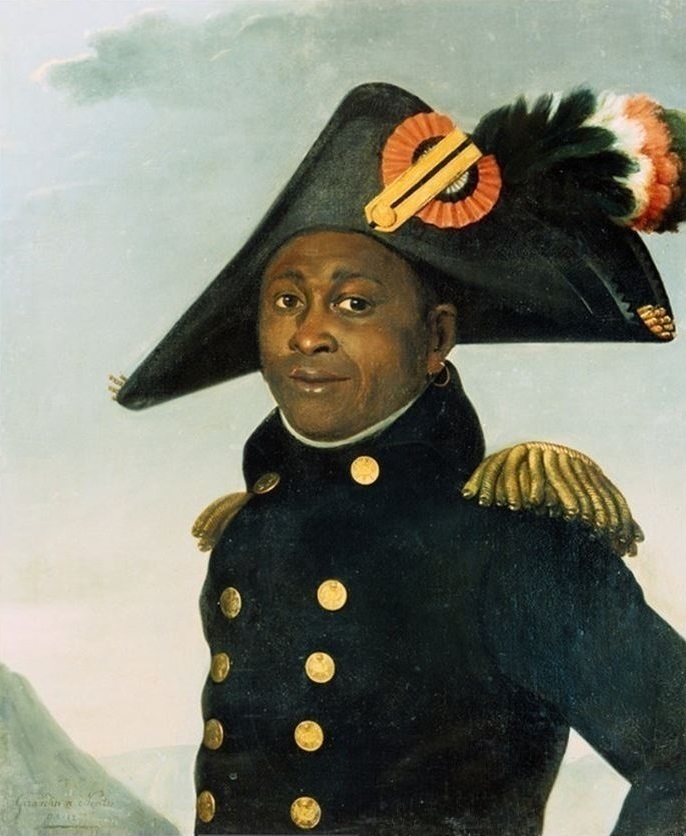
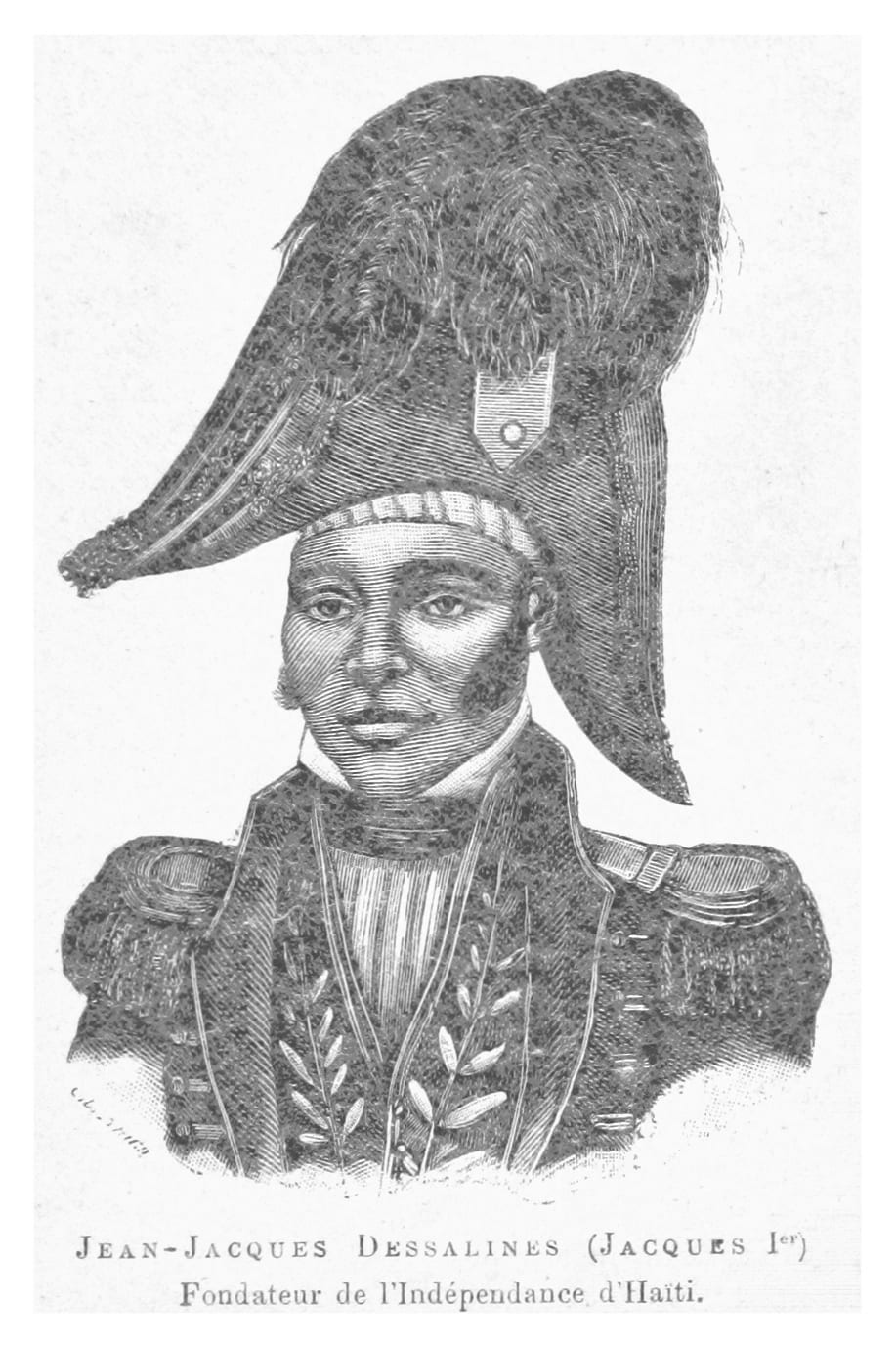
On the first day of 1804, independence was proclaimed at Gonaïves. The name Haiti replaced the French colony of Saint-Domingue. That change on a map represented something extraordinary: people whom a plantation society had treated as property had defeated the attempt to restore colonial control. Jean-Jacques Dessalines and his fellow commanders were not asking France for a more generous version of its rule. They were declaring that French rule was finished.
Saint-Domingue’s wealth had rested on coerced labor, particularly in sugar and coffee production. The revolution that began in 1791 was therefore more than a dispute over which government should collect taxes. It challenged the power of owners over human beings. Enslaved insurgents forced questions of freedom into a struggle also shaped by the French Revolution, rival European empires and the divisions within colonial society. Those pressures made the outcome uncertain at almost every stage.

Keep reading in Yester
Coming soon to the App Store