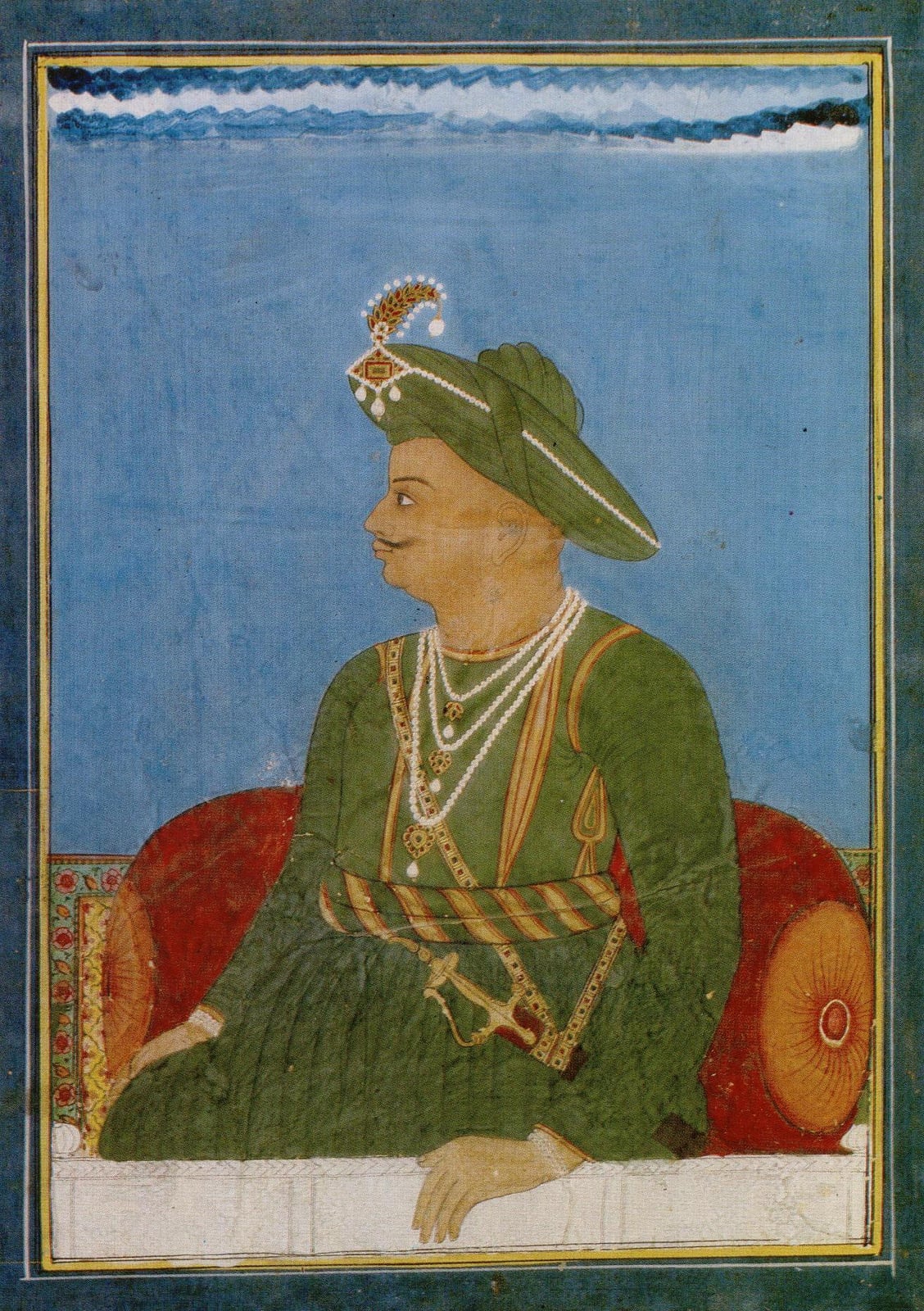
The Fall of Srirangapatna Ends Tipu Sultan’s Rule
A siege shifted the balance of power between Mysore and the East India Company.
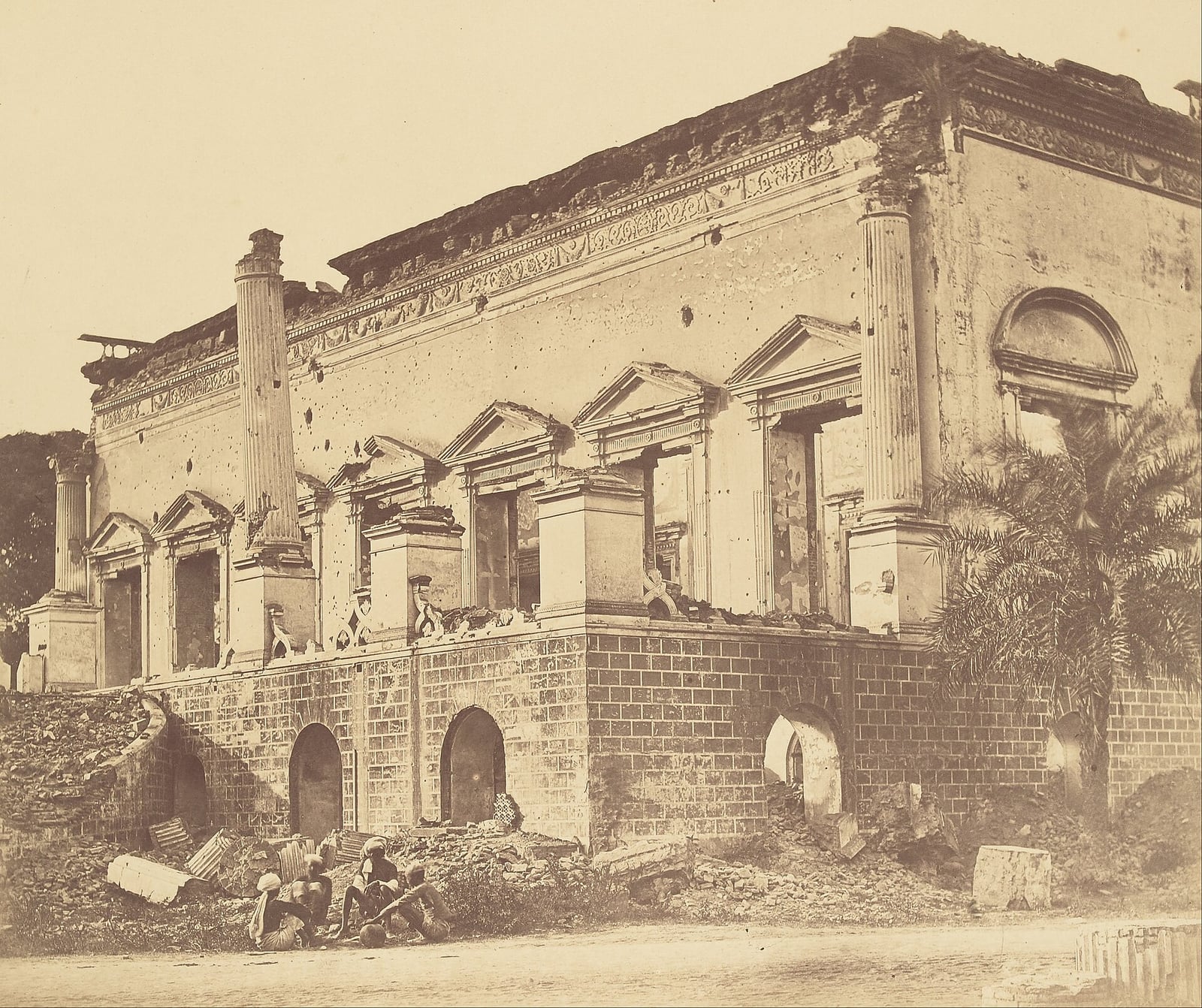
On 4 May 1799, British East India Company forces breached the defenses of Srirangapatna, bringing an abrupt end to the reign of Tipu Sultan. Mysore had long stood as one of the most formidable indigenous obstacles to the expansion of corporate rule across southern India. When the outer ramparts fell, Tipu was killed near the Hoally Gateway of the fortress. The conquest of his fortified capital closed decades of military rivalry between the sultanate and the company, eliminating a centralized regional power that had contested British commercial and territorial hegemony.
Tipu had inherited both rule and intense geopolitical conflict upon the death of his father, Hyder Ali, in December 1782 during the Second Anglo-Mysore War. Assuming formal leadership as sovereign, he concluded that confrontation with the British through the Treaty of Mangalore in 1784, which restored the status quo ante bellum. Beyond the British, Mysore engaged in recurring territorial competition with regional neighbours, fighting the Maratha Empire until the 1787 Treaty of Gajendragad. To defend his borders, Tipu restructured his army away from local agrarian militia toward a disciplined standing military drawn from diverse communities, while also reforming the revenue system.

Keep reading in Yester
Coming soon to the App Store
Keep following the story
Sources
- Tîpû Sultan (TDV İslâm Ansiklopedisi)
- How the Mysorean rocket helped Tipu Sultan's military might gain new heights (The Indian Express)
- Seringapatam 1799: Mysorean Soldiers & Officials (Macquarie University)
- Why American revolutionaries admired the rebels of Mysore (Aeon)
- Tipu's sword back in Indian hands (BBC News)
- Tipu Sultan
Image: Anonymous artist from Mysore, India.