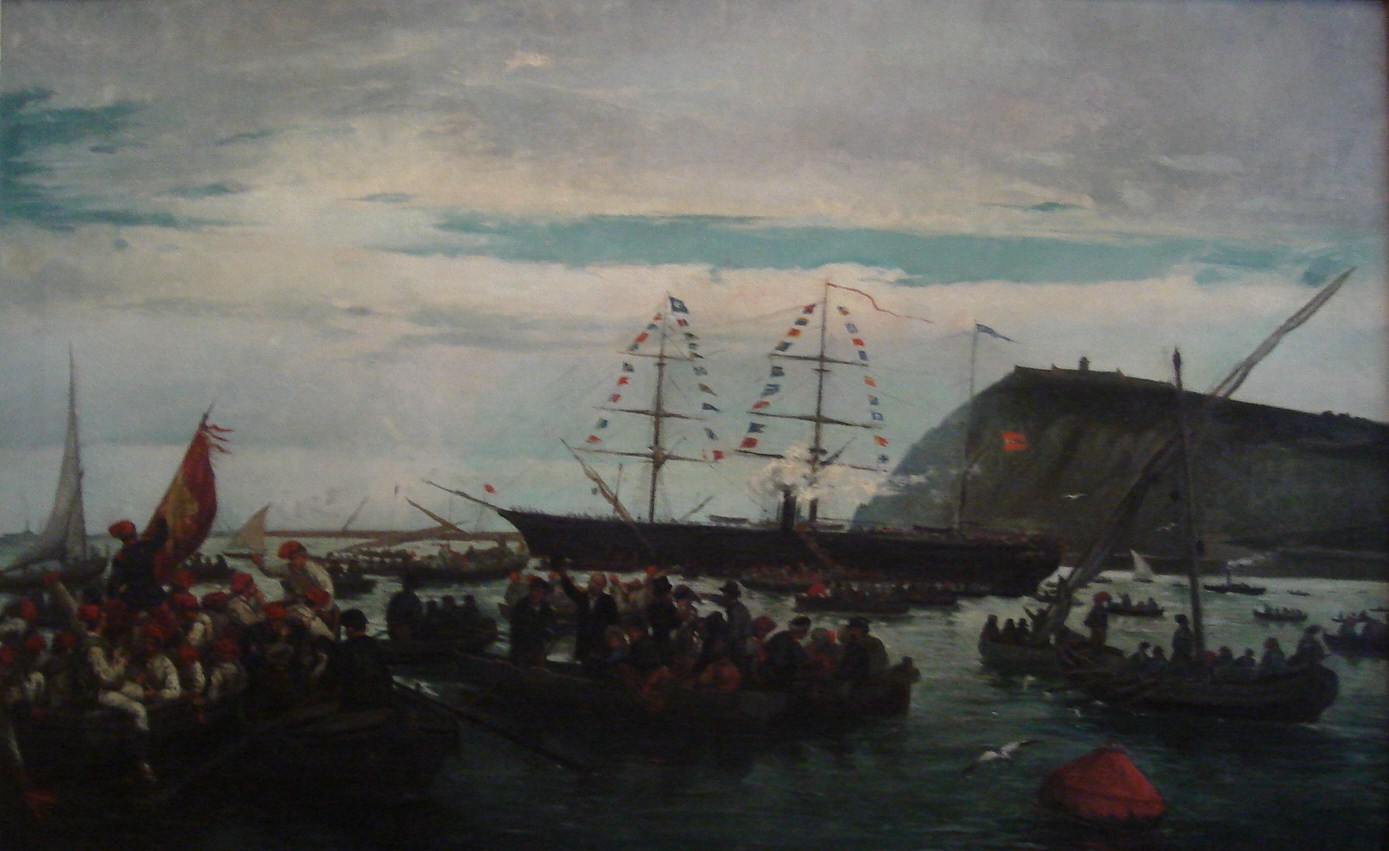
Céspedes Frees His Slaves and Starts Cuba’s Ten Years’ War
A planter’s call to arms began Cuba’s first war for independence from Spain.
At dawn on 10 October 1868, sugar mill owner Carlos Manuel de Céspedes assembled his workers at his estate of La Demajagua near Manzanillo. Spain had uncovered an insurrection planned for several days later, prompting Céspedes to act immediately. Ringing the mill bell, he declared Cuban independence, freed his enslaved laborers, and invited them to join the struggle against colonial rule. His proclamation, known as the 10th of October Manifesto, denounced Spanish exploitation, called for constitutional government, and advocated the gradual abolition of slavery. This opening gesture launched the Ten Years' War, the first major armed campaign for Cuban sovereignty.
The rebellion stemmed from deep economic distress and political disenfranchisement among Cuban-born elites, particularly in the eastern province of Oriente. While European-born Spaniards controlled trade, local planters faced increasing fiscal burdens, including a six percent tax hike, alongside the absence of parliamentary representation. The collapse of the reformist Information Board and the economic crises of the late 1850s and 1860s aggravated these strains. Planters also contended with the exorbitant expense of sustaining enslaved labor forces amid volatile sugar markets, prompting calls for gradual, compensated emancipation.

Keep reading in Yester
Coming soon to the App Store
Keep following the story
Sources
Image: Ramon Padró i Pedret