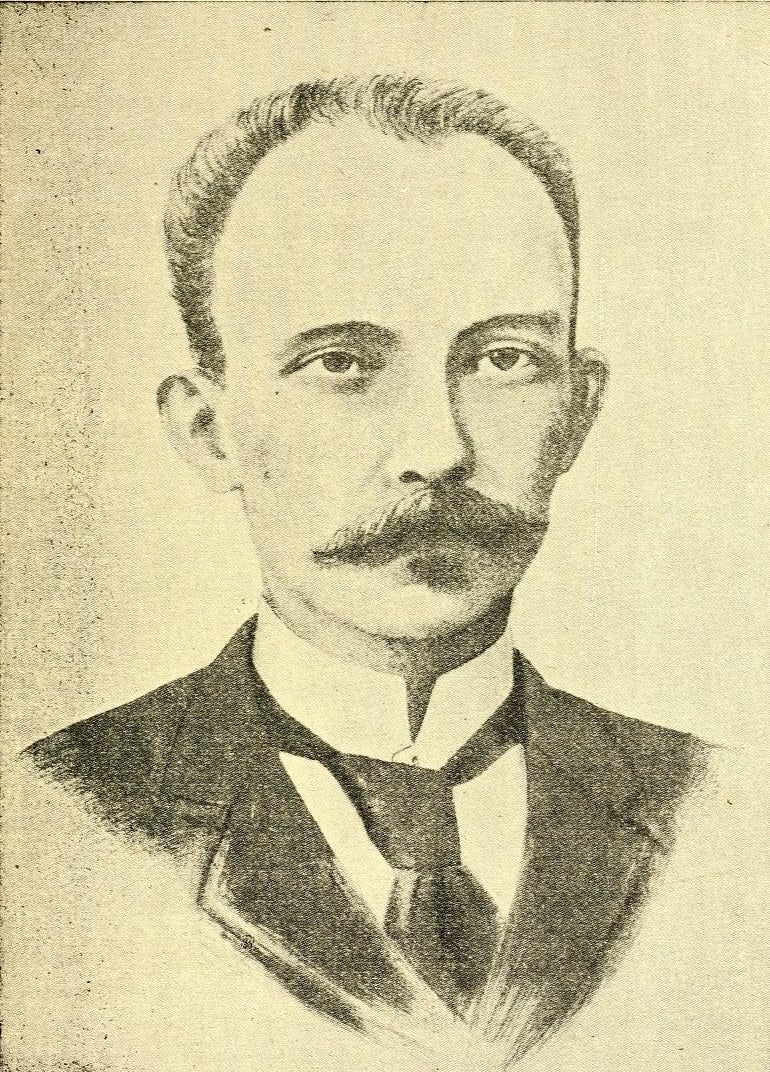
José Martí Connects Writing with Cuban Independence
Exile, journalism and political organizing shaped an independence movement before Martí’s death in battle.
In 1869, colonial authorities in Havana arrested sixteen-year-old José Julián Martí Pérez after discovering a letter condemning a friend for joining the Spanish army. Sentenced to six years of hard labor, Martí was chained and forced into harsh work that severely injured his legs before being deported to Spain in 1871. During his early exile in Madrid, Martí immediately transformed his physical suffering into political argument, publishing a denunciation titled Political Imprisonment in Cuba and writing articles urging the Spanish public to confront imperial brutalities on the island. While completing his university studies in Madrid and Zaragoza, where he graduated in 1874, he continued writing in support of Cuban independence.
Barred from living peacefully in his homeland, Martí spent subsequent years working as an educator, editor, and essayist across Mexico, Guatemala, and Venezuela. Throughout these travels, he argued persistently for political liberation and structural reform while navigating regional authoritarianism. After briefly returning to Cuba at the close of the Ten Years' War, he resumed revolutionary activity and was deported to Spain again. By 1881, he had settled in New York City, where he earned a living translating literary texts and reporting for Latin American periodicals, including La Nación of Buenos Aires. His prose tackled diverse subjects, from American legal proceedings to cultural critiques, yet consistently channeled his broader commitments to regional sovereignty, republican governance, and civic responsibility.

Keep reading in Yester
Coming soon to the App Store
Keep following the story
Sources
- José Martí, World of 1898: International Perspectives on the Spanish American War (Library of Congress)
- About José Martí (Academy of American Poets)
- José Martí, Research Starters (EBSCO)
- Zaragoza conocida en Sudamérica gracias a Martí (Ayuntamiento de Zaragoza)
- ProBiota, Serie Documentos: La Edad de Oro (Universidad Nacional de La Plata, SEDICI)
- José Martí
Image: Unknown artist Unknown artist