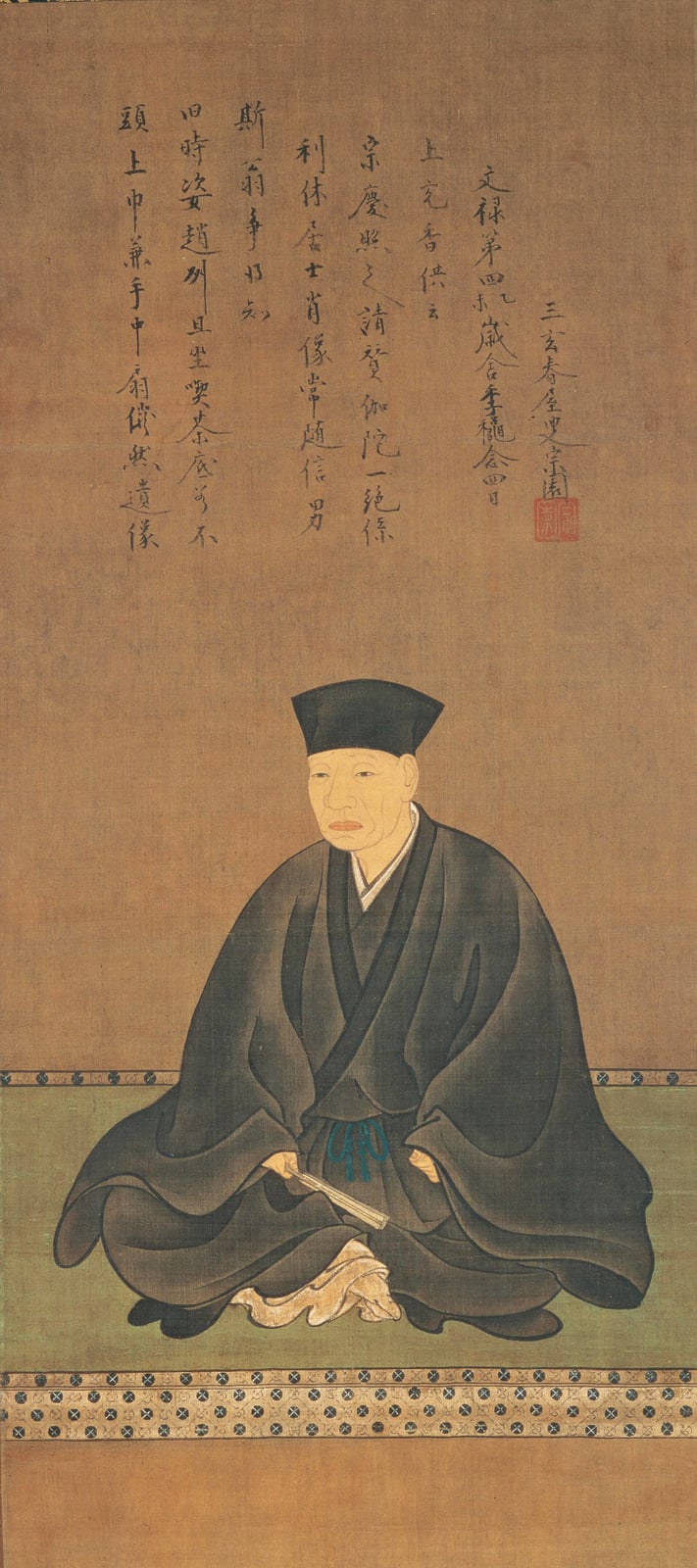
Hideyoshi Hosts a Grand Tea Gathering at Kitano
Sen no Rikyū helped stage a tea event at a Kyoto shrine that was open to rich and poor alike.
In 1587, Regent Toyotomi Hideyoshi organized the Grand Kitano Tea Ceremony, staging a massive cultural gathering that marked the height of the political role of tea in sixteenth-century Japan. The event drew together the regent and his chief tea master, Sen no Rikyu, who had become the central figure in defining the artistic discipline known as chado, the way of tea. Hideyoshi supported the spread of this ritual practice partly as a means to solidify his political dominance, using public displays and grand tea events to exhibit his authority and influence.
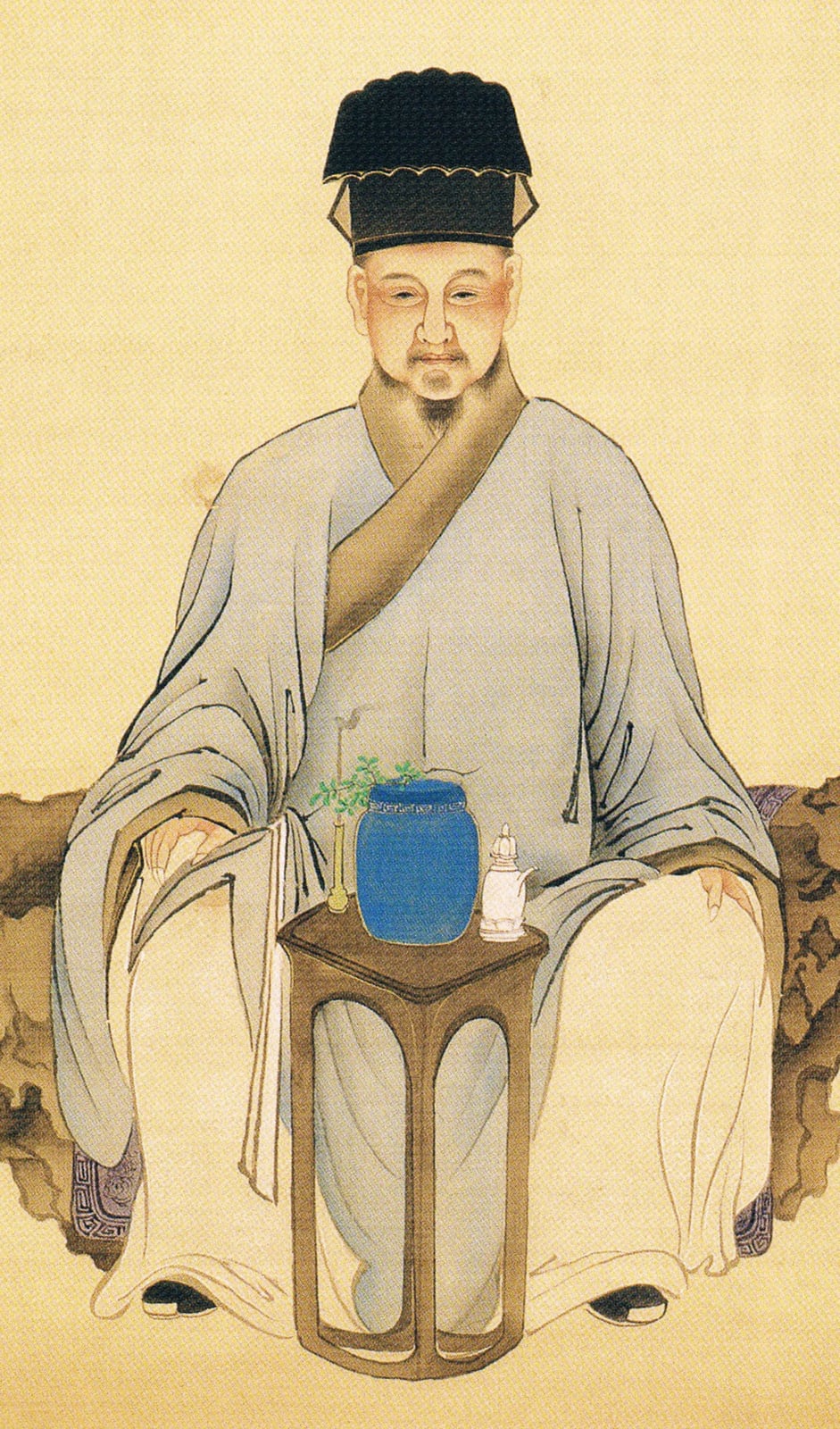
The broader tradition of Japanese tea culture had developed over several centuries, drawing heavily on Chinese imports and continental practices. The earliest documented presence of tea in Japan appears in the ninth century, when the monk Eichu served steeped tea to Emperor Saga. Later, Buddhist traditions brought new methods to the islands, shaped in part by earlier Chinese treatises such as the work of Lu Yu, whose writings helped establish tea as a refined and contemplative activity. Around the end of the twelfth century, the monk Eisai introduced powdered matcha and the tencha method of whipping tea in a bowl, a style that took root in monasteries and eventually became an elite pastime among the warrior elite.

Keep reading in Yester
Coming soon to the App Store
Keep following the story
Sources
Image: painted by 長谷川等伯, calligraphy by 春屋宗園