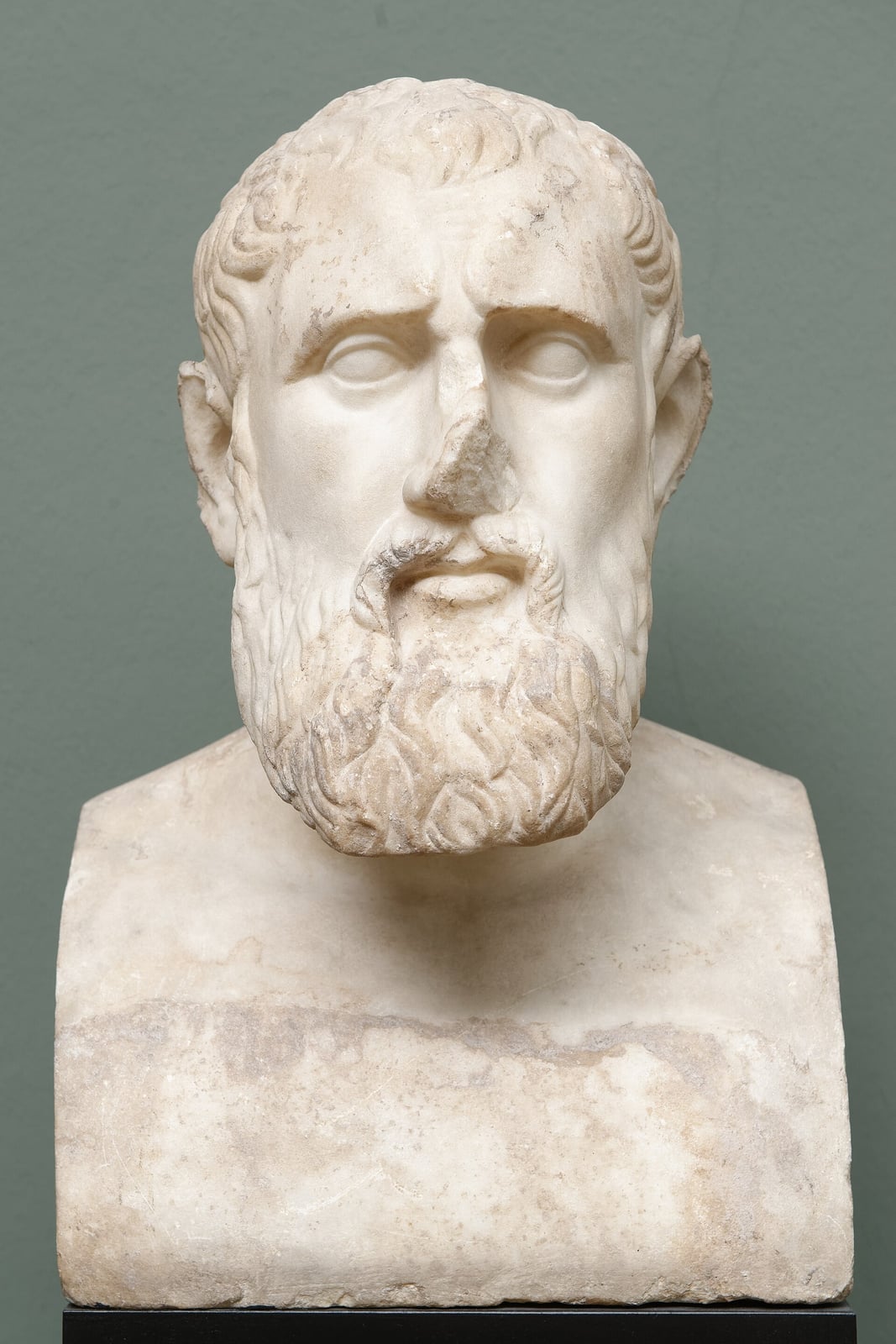
Zeno Teaches from the Painted Porch
A philosophy named after a public colonnade taught calm in the face of fortune.
Toward the end of the fourth century BCE, around 300 BCE, Zeno of Citium began convening students in the public heart of Athens. Rather than retiring to a private garden or an enclosed school, he chose the Stoa Poikile, a colonnade on the northern edge of the Agora that was decorated with depictions of mythic and historical battles. Because people came to hear him there, his followers, who had at first been called Zenonians, became known as Stoics, the men of the Stoa.
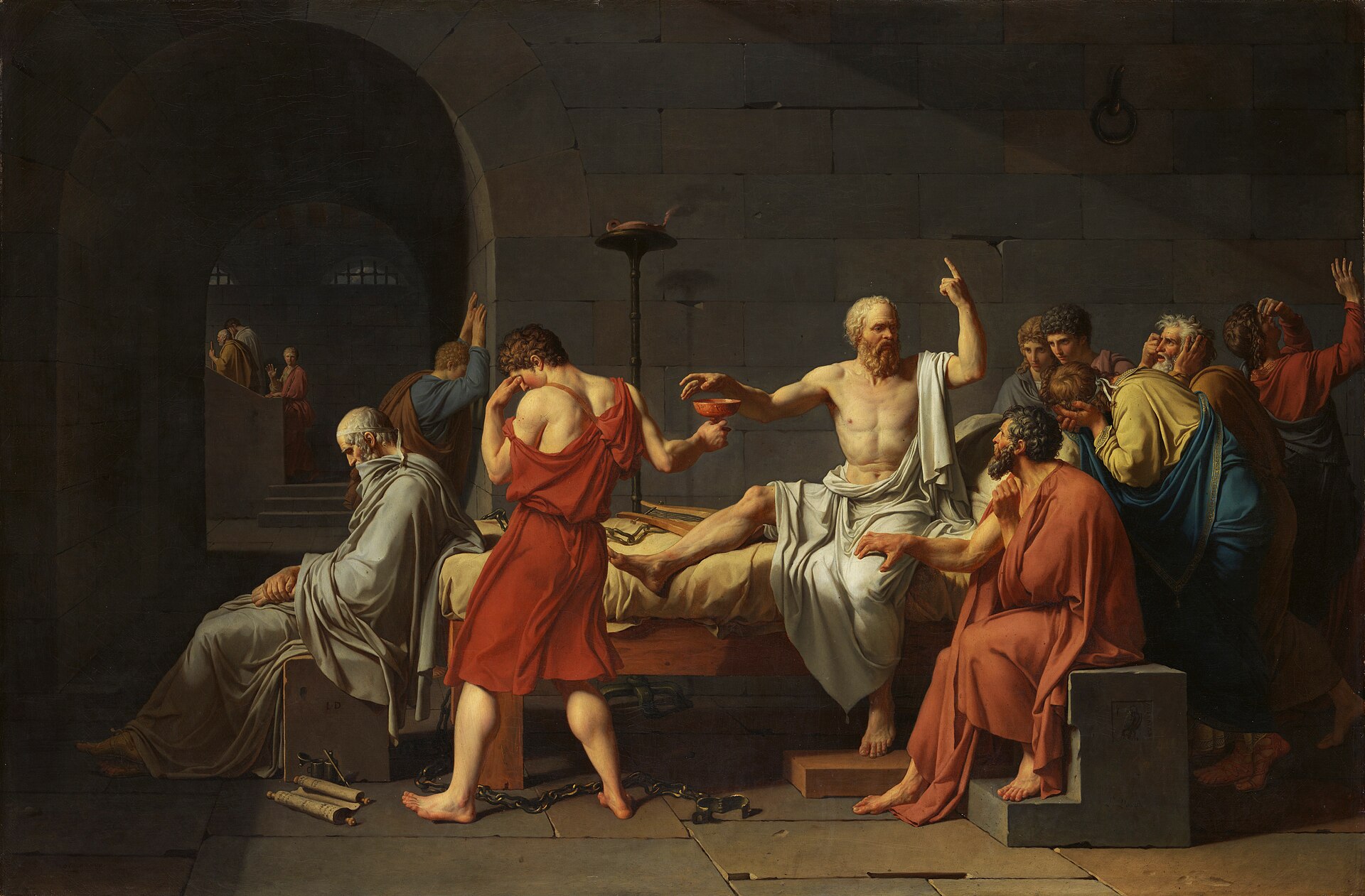
Zeno had arrived at his philosophical system after studying under various Athenian teachers, notably Crates of Thebes, who introduced him to the Cynic movement originally associated with Antisthenes, an associate of socrates. Zeno also studied Megarian dialectic alongside Philo. Stoicism formed a comprehensive tripartite system consisting of physics, logic, and ethics. The universe, according to the Stoics, was a rational and fully material cosmos directed by an active principle of reason, or logos, which infused passive matter and determined the order of all events through natural laws.

Keep reading in Yester
Coming soon to the App Store
Keep following the story

Sources
Image: Marie-Lan Nguyen