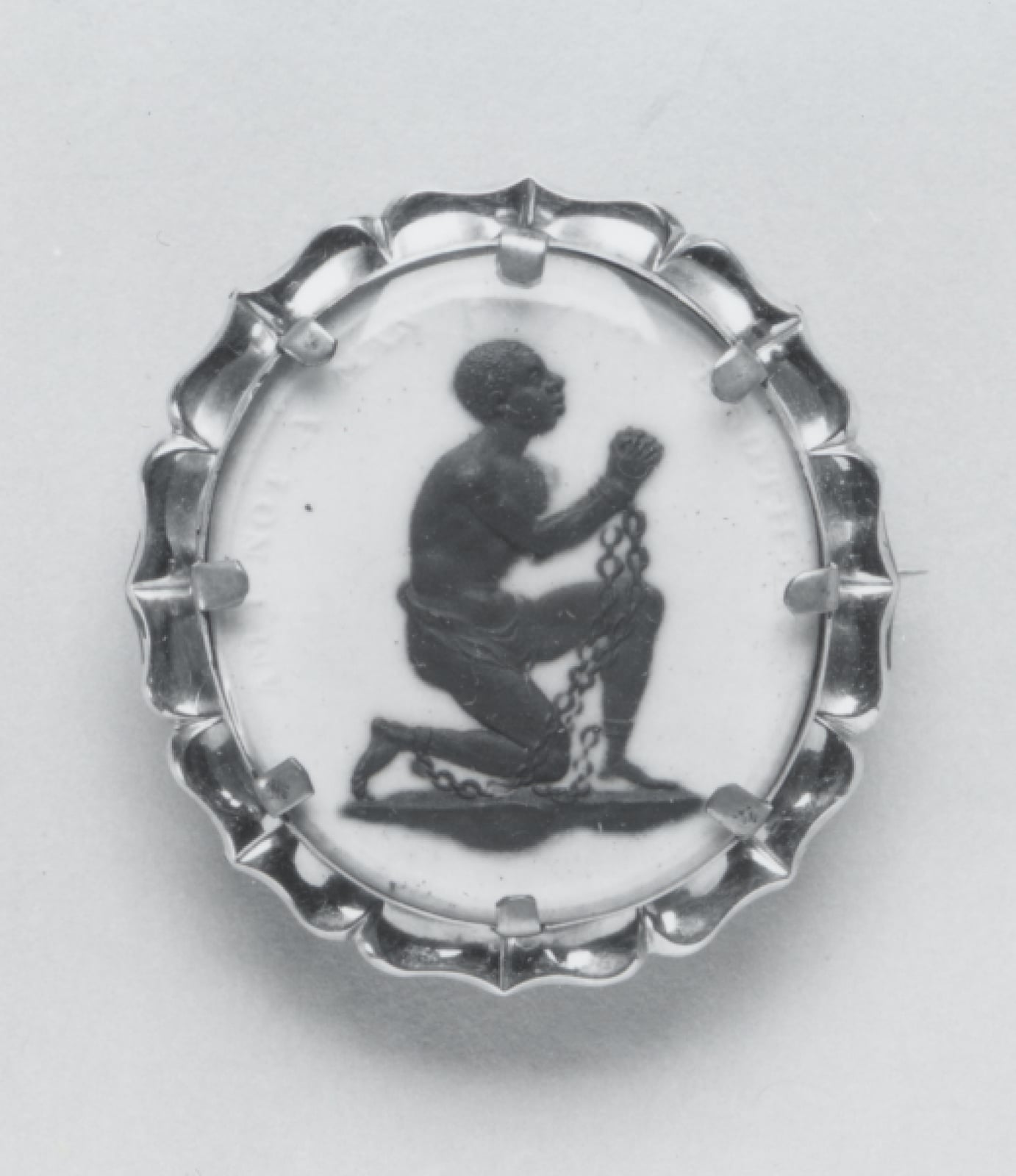
Britain Bans the Atlantic Slave Trade
A long campaign ended British participation in the trade, though not slavery itself.
On 25 March 1807, King George III gave royal assent to the Slave Trade Act, bringing to a close an eighteen-year legislative struggle to outlaw British participation in the transatlantic slave trade. The last legal British slaving voyage from Liverpool was made by Captain Hugh Crow in the Kitty's Amelia.
British involvement in the transatlantic trade had operated at an immense scale. Britain was the dominant slave-trading nation between 1640 and 1807, and British ships are estimated to have transported about 3.1 million Africans across the Atlantic, of whom about 2.7 million survived the crossing. Organized opposition coalesced in 1787 with the founding of the Society for Effecting the Abolition of the Slave Trade and its London Committee, uniting Evangelical English Protestants and Quakers who condemned the commerce on moral grounds.

Keep reading in Yester
Coming soon to the App Store
Keep following the story
Sources
- Parliament abolishes the slave trade (UK Parliament, Living Heritage)
- The abolitionists (UK Parliament, Living Heritage)
- Driving Change Through Parliament (BBC History)
- Sailing against slavery (BBC Devon)
- Liverpool's role in the slave trade (BBC Liverpool)
- Slavery and the British transatlantic slave trade (The National Archives, UK)
- Slave Trade Act 1807
Image: Josiah Wedgwood / Josiah Wedgwood