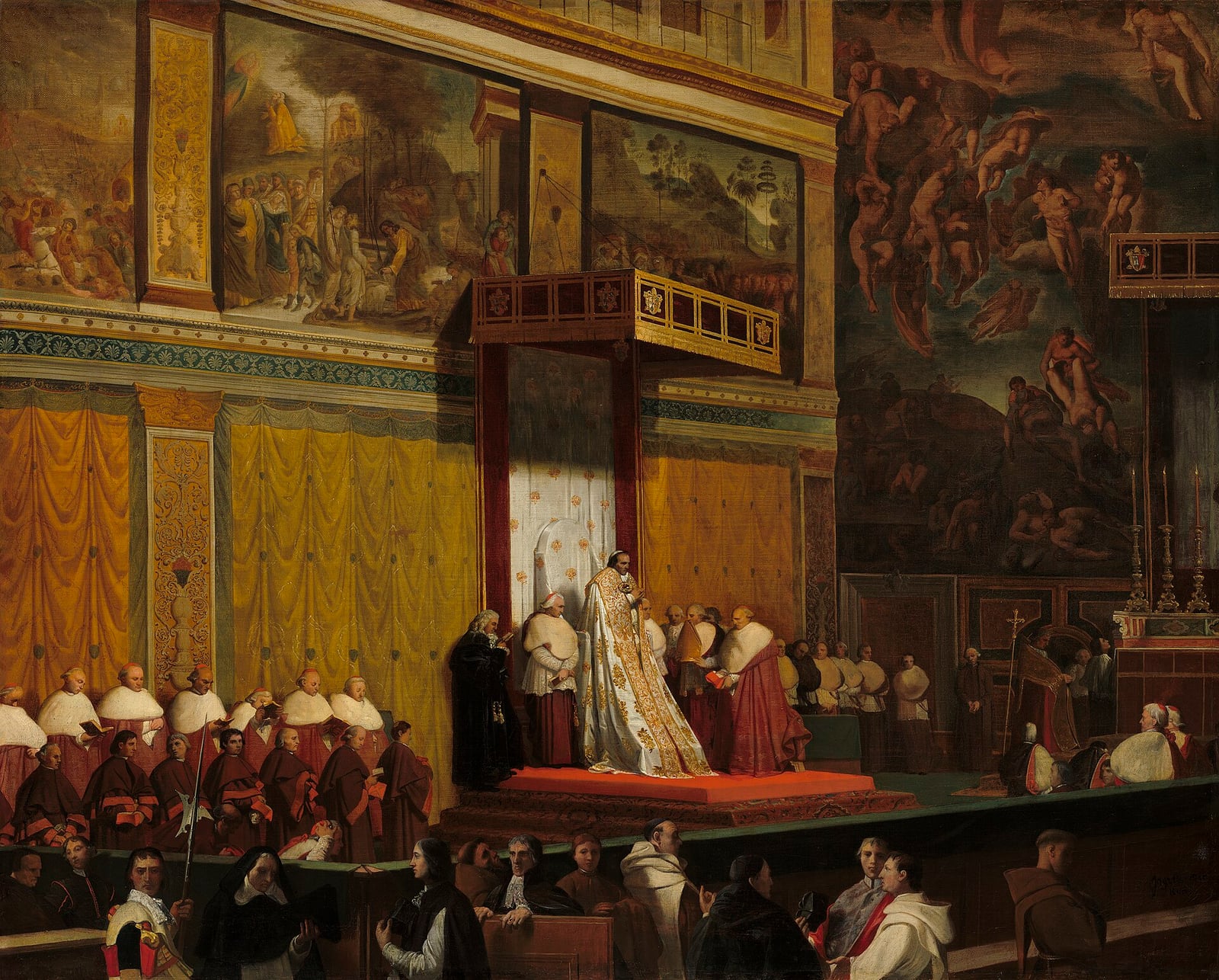
Michelangelo Finishes the Sistine Chapel Ceiling
Four years on scaffolding produced one of the most studied painted ceilings in Europe.
By 31 October 1512, Michelangelo had finished painting the ceiling of the Sistine Chapel, and on 1 November, the Feast of All Saints, Pope Julius II inaugurated the chapel with a solemn Mass. Commissioned in 1508 to replace a simple star-patterned vault that had suffered structural cracking, the project was originally conceived as a straightforward sequence of the twelve Apostles in the pendentives, signed by contract on 8 May 1508. Michelangelo, who thought of himself primarily as a sculptor, dismissed that plan as meagre, and the pope gave him a new commission that left the planning of the programme to the artist.
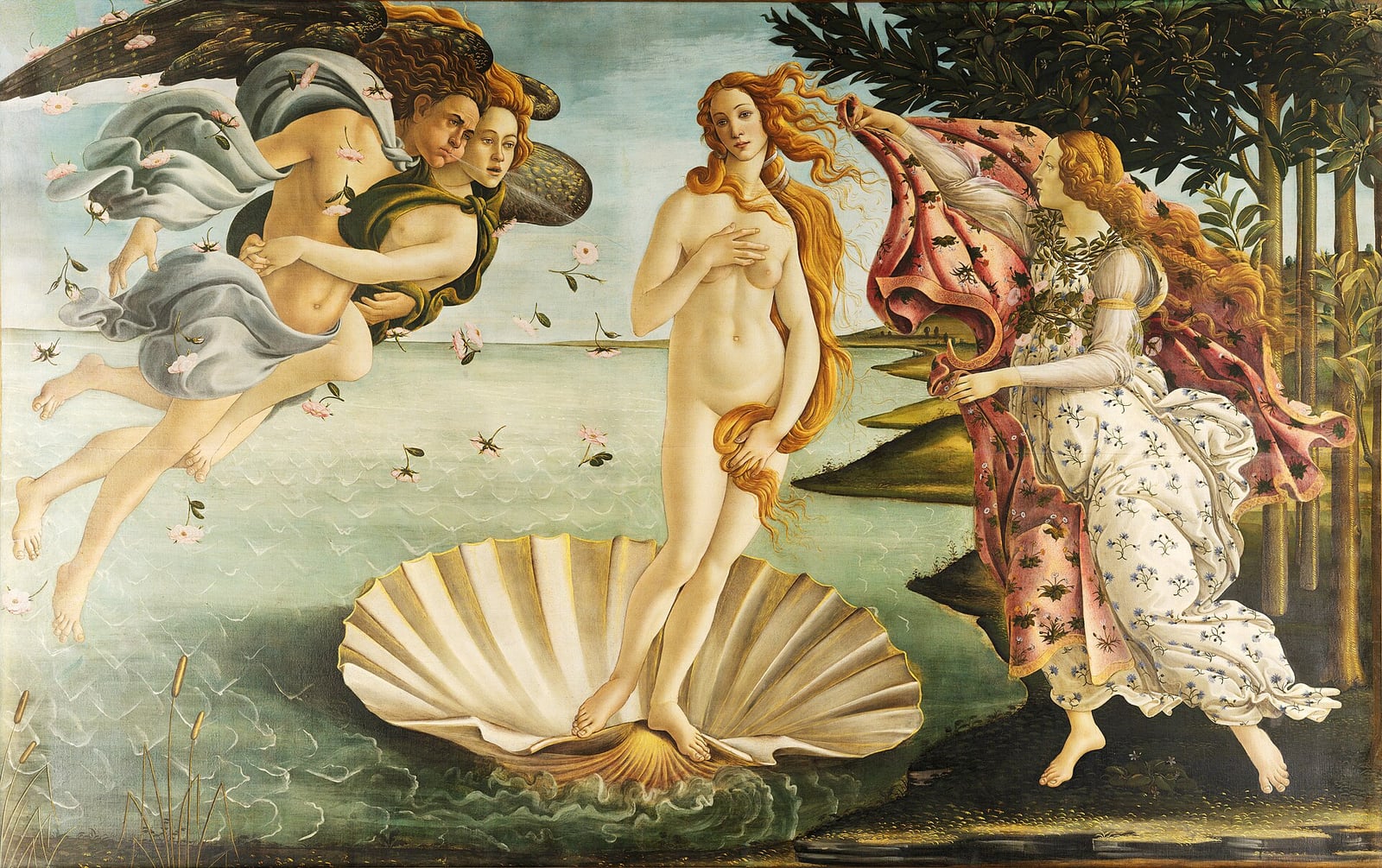
The vaulted room already featured significant decoration. Decades earlier, prominent fifteenth-century artists, including Domenico Ghirlandaio and Sandro Botticelli, had frescoed the lateral walls with parallel cycles detailing the lives of Moses and Christ. Michelangelo's composition introduced a theological prequel to these scenes, filling the shallow barrel vault with nine central panels drawn from the Book of Genesis. These narratives began with God separating light from darkness above the liturgical altar and terminated at the chapel entrance with the Drunkenness of Noah, charting humanity's initial perfection, subsequent fall, and descent into mortal sin.

Keep reading in Yester
Coming soon to the App Store
Keep following the story
Sources
- Ceiling, Sistine Chapel (Musei Vaticani)
- History of the Sistine Chapel (Musei Vaticani)
- Michelangelo: The ceiling of the Sistine Chapel (Encyclopaedia Britannica)
- Sistine Chapel (Encyclopaedia Britannica)
- The Restoration of the Ceiling of the Sistine Chapel (Encyclopaedia Britannica)
- Sistine Chapel ceiling
Image: Jean-Auguste-Dominique Ingres