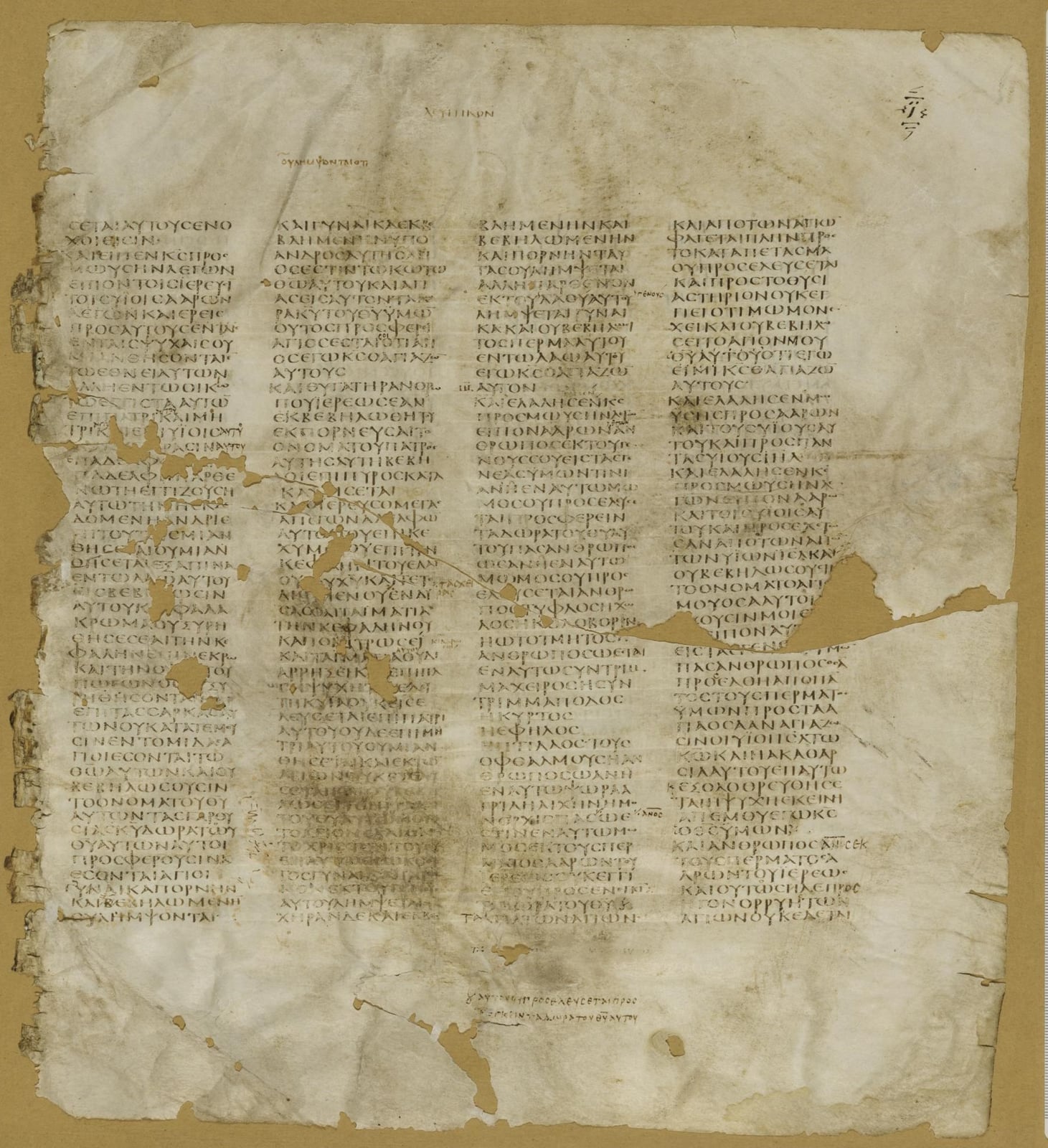
Hebrew Scriptures Are Translated into Greek
The Septuagint carried the Jewish scriptures into the Greek-speaking world.
During the third century BCE, the Jewish population residing in the Ptolemaic Kingdom began rendering their sacred scriptures into Koine Greek. Centered primarily in and around Alexandria, this effort served a large Greek-speaking Jewish community among whom knowledge of Hebrew was waning. The earliest portion of this enterprise comprised the Pentateuch, translated by Jewish scholars around the mid-third century BCE. Over subsequent generations, further books joined the corpus, extending the enterprise across multiple stages, and most of the Hebrew scriptures were probably available in Greek by the second century BCE.
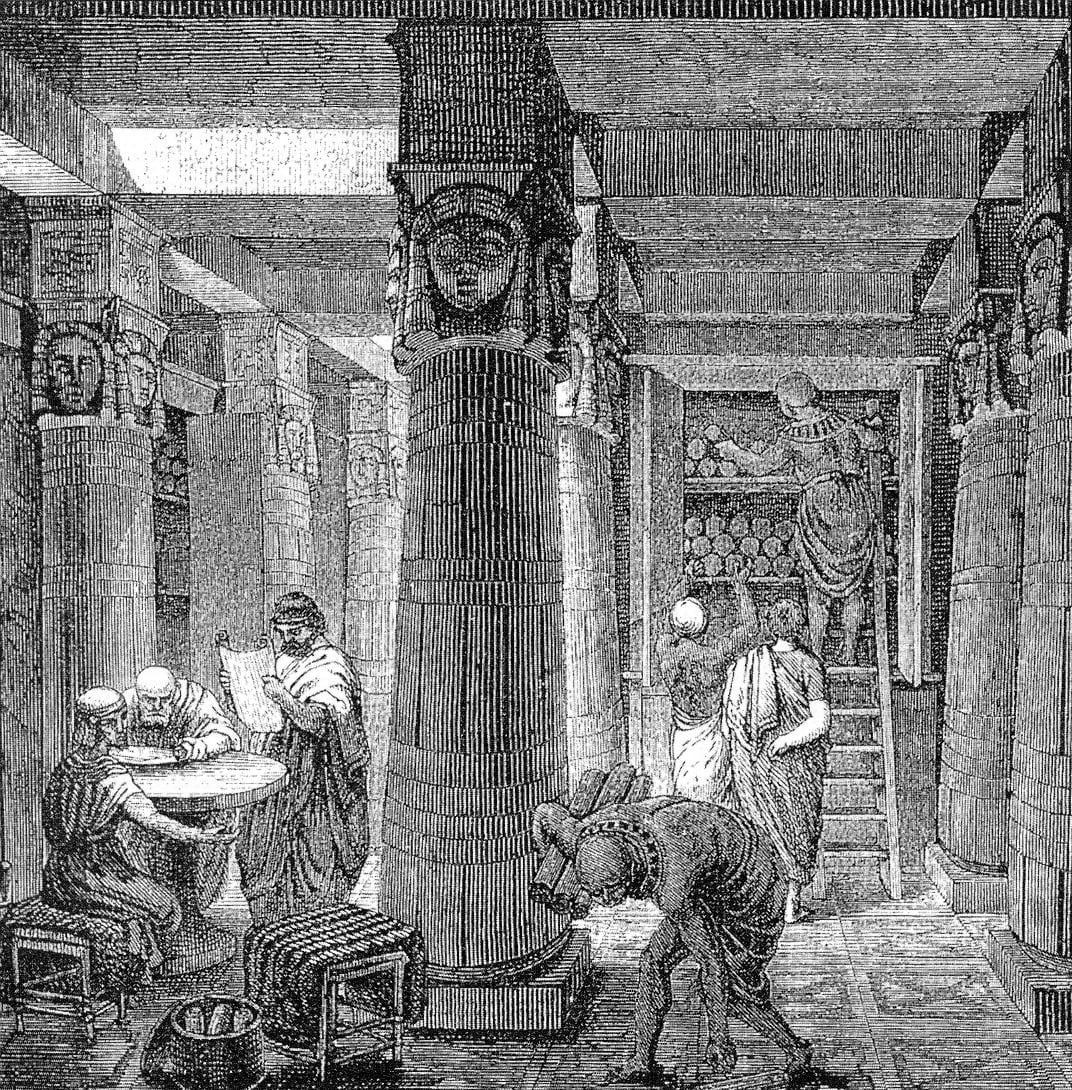
A persistent tradition explained this translation as a royal commission from King Ptolemy II Philadelphus. As recounted in the Letter of Aristeas, a work regarded by modern scholars as pseudepigraphical, Ptolemy requested seventy-two elders from Jerusalem to produce an authoritative Greek version of the Jewish Law for the collection at the Library of Alexandria. Later iterations of the account, echoed in rabbinic writings and early Christian texts, claimed that these scholars translated the text in isolation yet arrived at identical wording. Philo of Alexandria, writing in the first century CE, described an annual festival on the island of Pharos honoring the translation, but most modern scholars regard the Letter's account as legend, written well over a century after the Pentateuch was translated.

Keep reading in Yester
Coming soon to the App Store
Keep following the story

Sources
- What Is the Septuagint? (Bible Odyssey, Society of Biblical Literature)
- What Are the Earliest Versions and Translations of the Bible? (Bible Odyssey, Society of Biblical Literature)
- Was There Really a Virgin Birth in the Bible? (Bible Odyssey, Society of Biblical Literature)
- Bible Translations: The Septuagint (Jewish Encyclopedia, 1906)
- NETS General Introduction (New English Translation of the Septuagint, University of Pennsylvania)
- Epistle of Aristeas, Hellenistic Judaism research guide (Yale University Library)
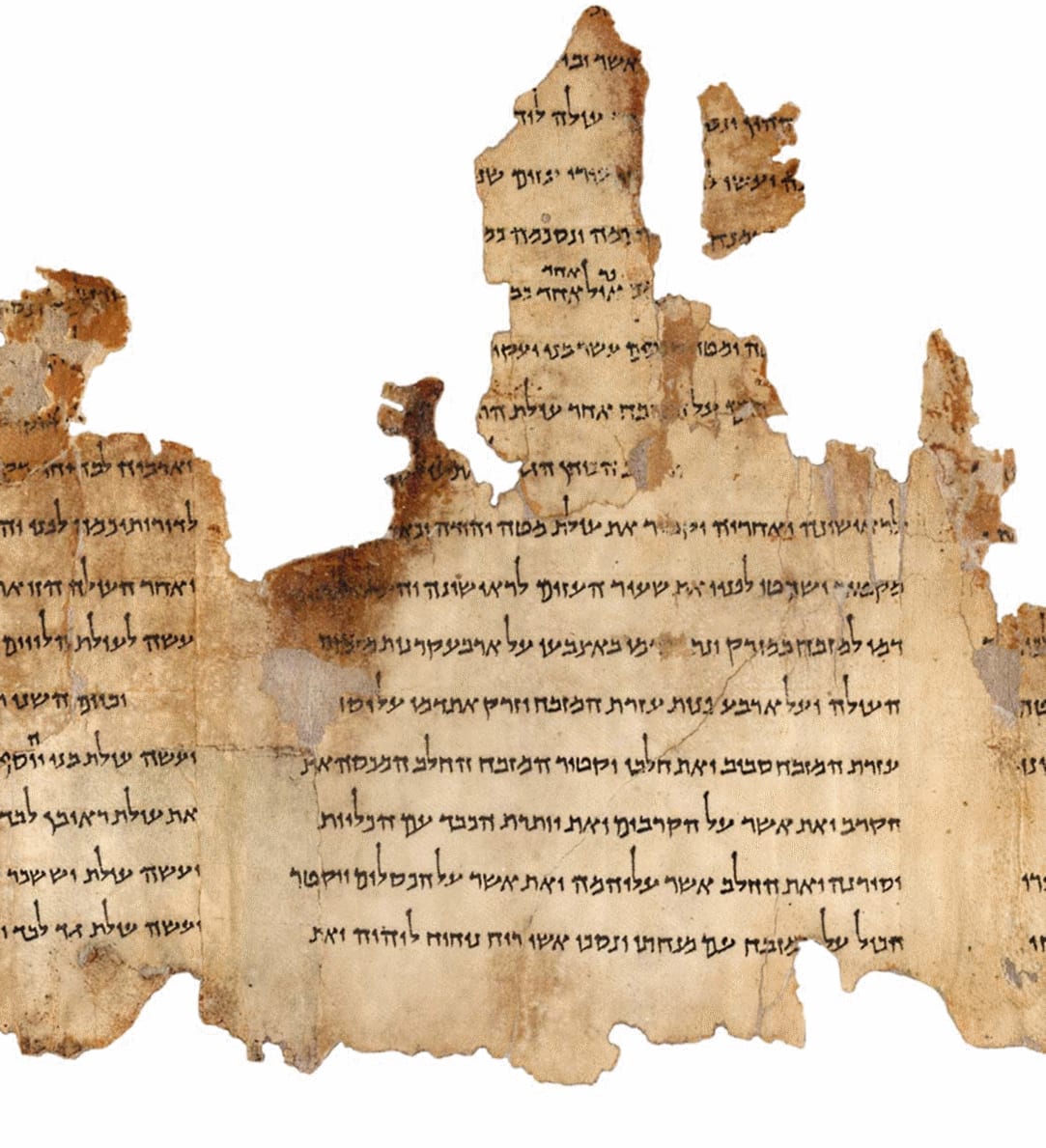
- Scrolls Content (Leon Levy Dead Sea Scrolls Digital Library, Israel Antiquities Authority)
- Septuagint
Image: Unbekannt, 4. Jahrhundert