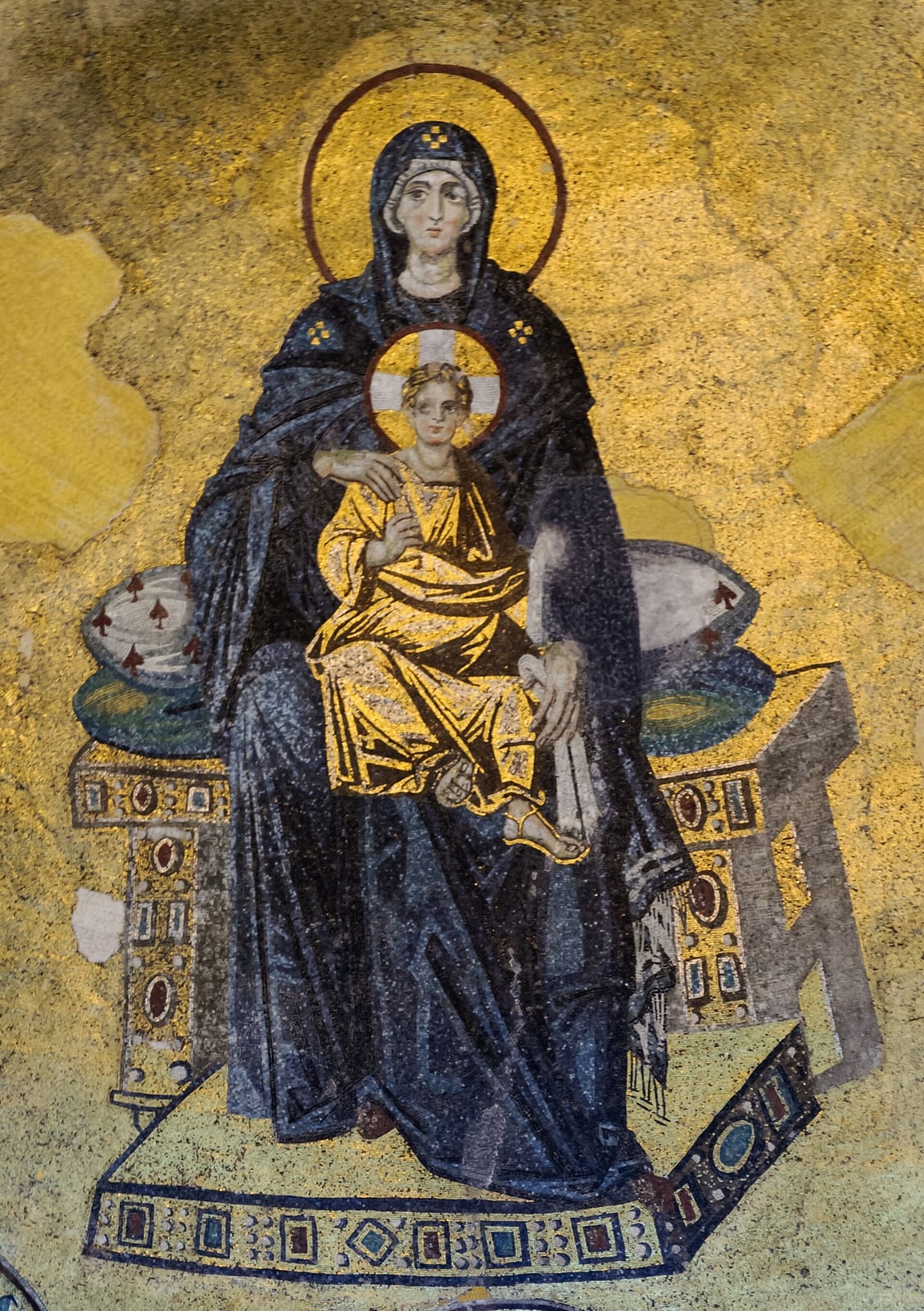
Rome and Constantinople Exchange Excommunications
Mutual condemnations became a symbol of the split between Catholic and Orthodox churches.
In 1054, a high-ranking diplomatic mission from Rome reached the Byzantine capital of Constantinople during a period of mounting regional anxiety. The papal legation, led by Cardinal Humbert of Silva Candida, arrived in the imperial city under instructions from Pope Leo IX. Their goals were diplomatic as well as ecclesiastical: the envoys sought Byzantine military assistance against the Norman conquest of southern Italy, while also carrying firm theological demands. Foremost among these demands was an insistence that Patriarch Michael I Cerularius submit to papal claims of universal jurisdiction over all Christian sees, alongside an order that the patriarch renounce the title of ecumenical patriarch. The mission also intended to refute Eastern criticisms concerning Western liturgical practices, specifically the Latin use of unleavened bread in the Eucharist.
Relations between the two ancient centers of Christendom had deteriorated significantly in the months preceding the legation. In the early 1050s, Cerularius had ordered the closure of all Latin-rite churches within Constantinople. That hostile measure was accompanied by polemical treatises supported by Cerularius, most notably from Leo of Ohrid, attacking Western customs as improper departures from traditional practice. Longstanding disputes had already accumulated across centuries, encompassing political friction following the imperial coronation of Charlemagne in 800, recurring disagreements over the administrative hierarchy of the ancient pentarchy, and bitter debates over the Western addition of the Filioque clause to the Nicene Creed.

Keep reading in Yester
Coming soon to the App Store
Keep following the story
Sources
- 1054 The East-West Schism (Christian History Institute)
- Michael Caerularius (Catholic Encyclopedia, New Advent)
- Greek Church schism (Catholic Encyclopedia, New Advent)
- Beginning of the Rome-Constantinople Schism (EBSCO Research Starters)
- Joint Catholic-Orthodox Declaration of Pope Paul VI and Ecumenical Patriarch Athenagoras I, 7 December 1965 (The Holy See)
- East–West Schism
Image: Photograph: Myrabella