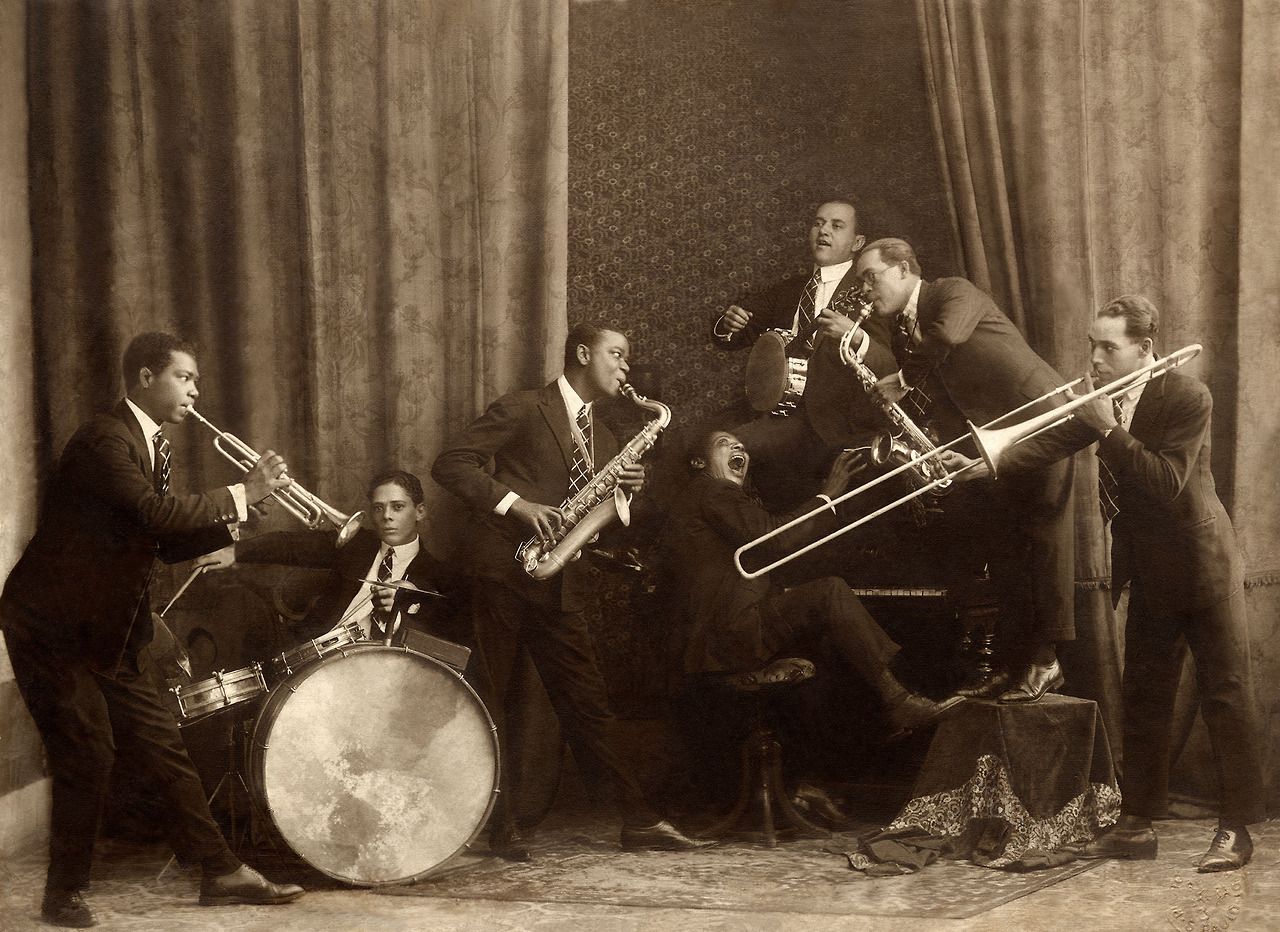
Pelo Telefone Turns Samba into a Carnival Hit
A registered song gave a growing Afro-Brazilian style a commercial name.
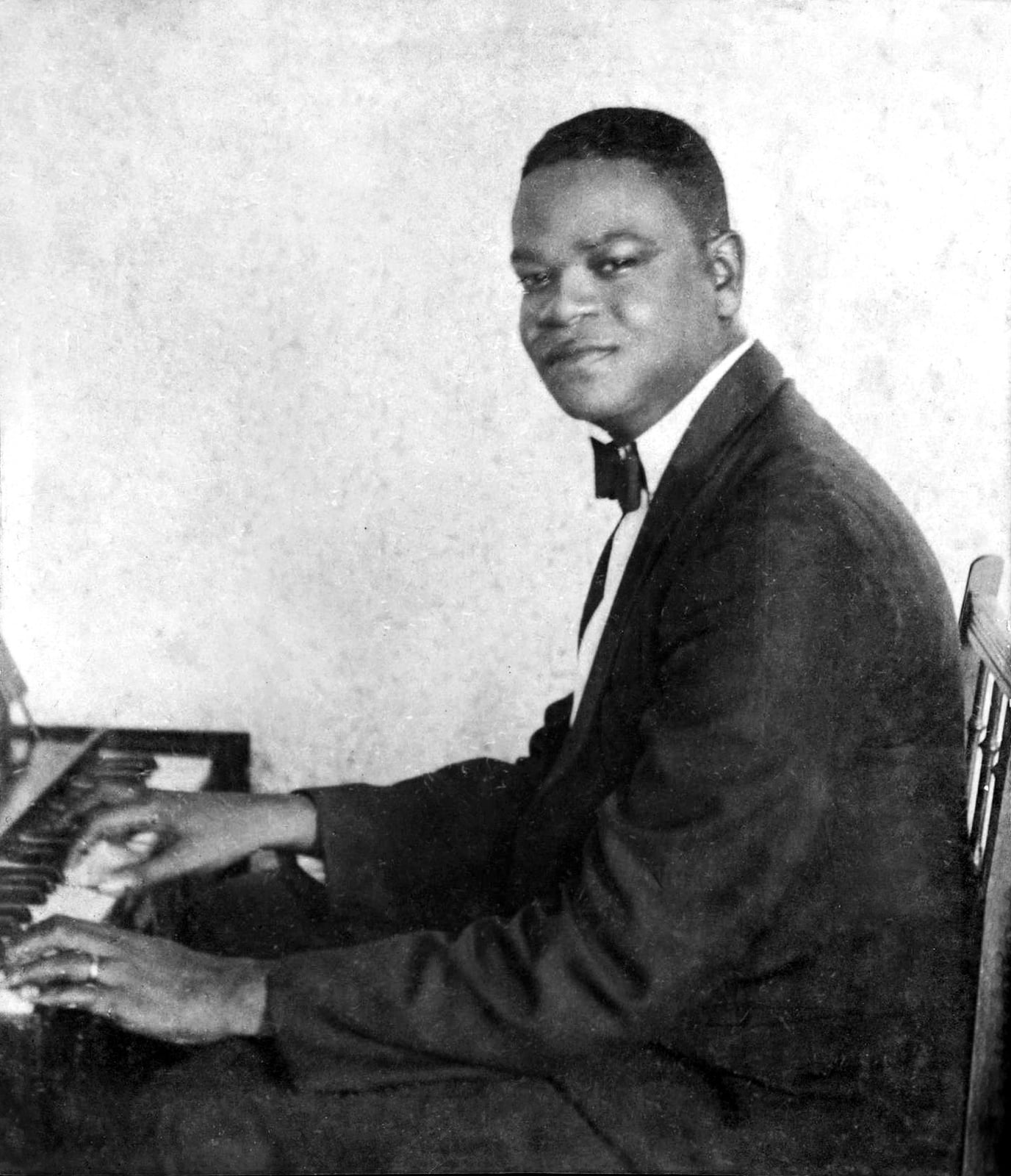
In late 1916, the musician Ernesto dos Santos, known as Donga, registered a piano manuscript of a song called Pelo Telefone at the National Library in Rio de Janeiro, on November 27, 1916. The journalist Mauro de Almeida was credited as co-author. By deliberately registering authorship, Donga stepped outside the tradition of collective, anonymous popular music. The Casa Edison company then made three recordings of the song, two of them instrumental. The vocal recording, sung by Baiano and labelled a samba on the disc, became a huge hit in the 1917 Rio Carnival.
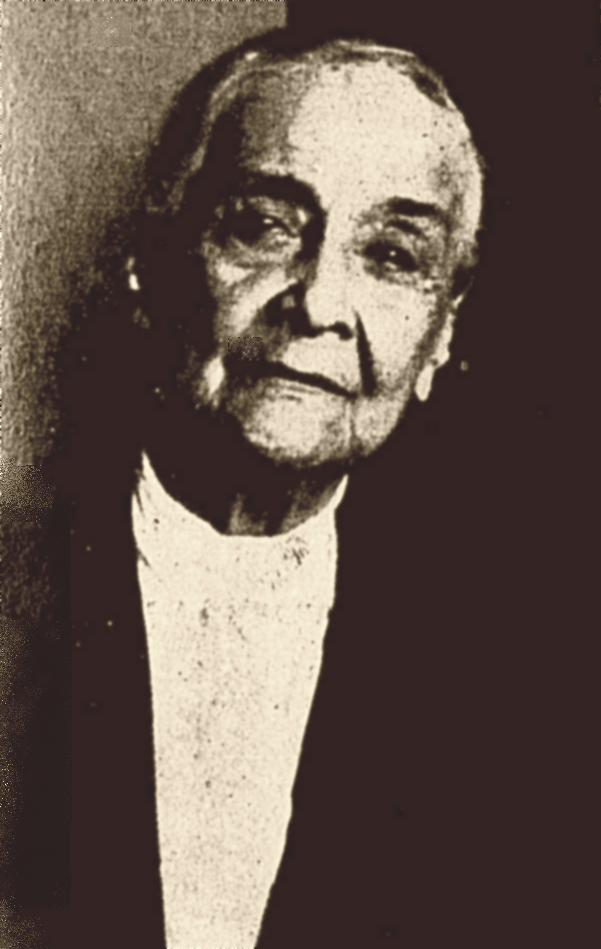
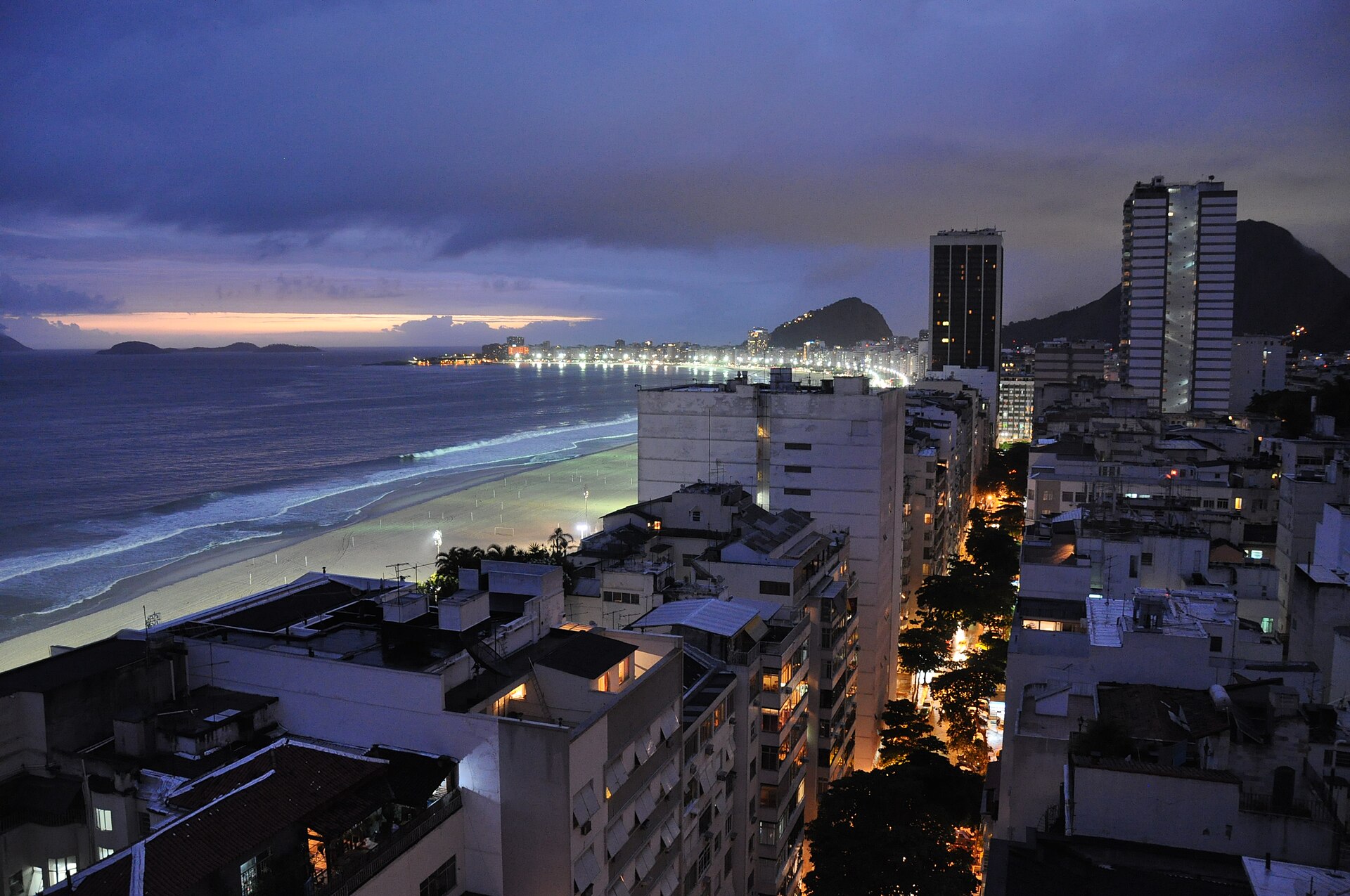
This commercial breakthrough occurred within a vibrant Afro-Bahian diaspora that had reshaped Rio de Janeiro in the decades following the abolition of slavery. Bahian women who had moved to the capital played a central role in this world. Among them, Tia Ciata, who arrived in Rio de Janeiro from Bahia in 1876, was a cook, a mãe de santo, or Afro-Brazilian religious leader, and a cultural organizer whose house drew musicians, politicians and bohemians to share Bahian food and music. The improvised sessions held there became central to the later dispute over who had written Pelo Telefone.

Keep reading in Yester
Coming soon to the App Store
Keep following the story
Sources
Image: Desconhecido. Acervo Dedoc-Nova Cultural