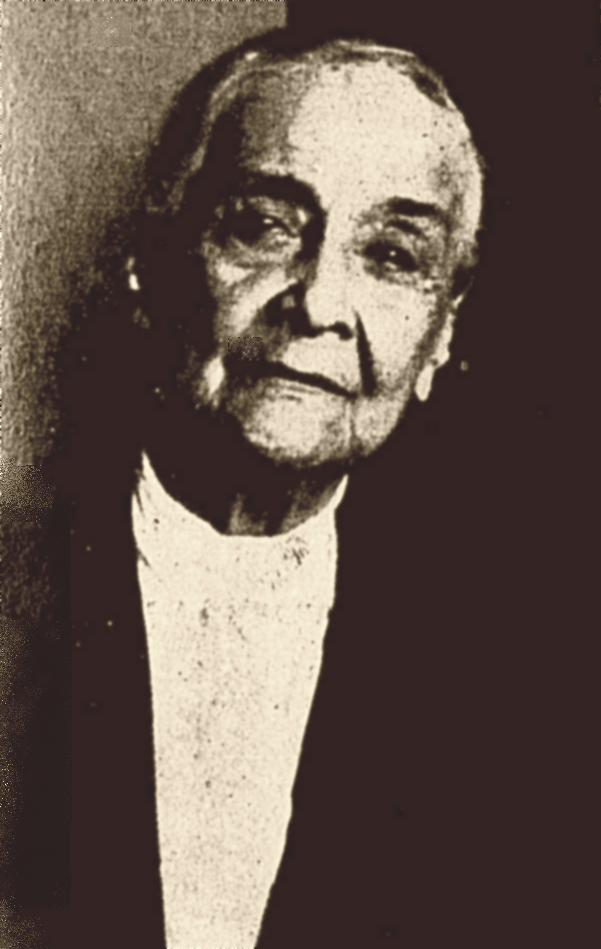
Chiquinha Gonzaga Writes Music for a Changing Rio
A composer and conductor helped shape popular entertainment while challenging the limits placed on women.
Francisca Edwiges Neves Gonzaga, known throughout Brazil as Chiquinha Gonzaga, grew up in nineteenth-century Rio de Janeiro amid the rigid social expectations of the imperial era. Born in 1847 to a pardo mother and a wealthy white military officer, she received a formal education that emphasized reading, mathematics, and keyboard performance. Her musical talent showed early with her first Christmas composition at age eleven, but domestic life soon constrained her ambitions. In 1863, her family arranged her marriage to naval officer Jacinto Ribeiro do Amaral, who opposed her pursuit of a career. Refusing to endure mistreatment and confinement on his ship, she chose to leave him and seek a divorce, losing custody of two younger children and facing total repudiation from her father.
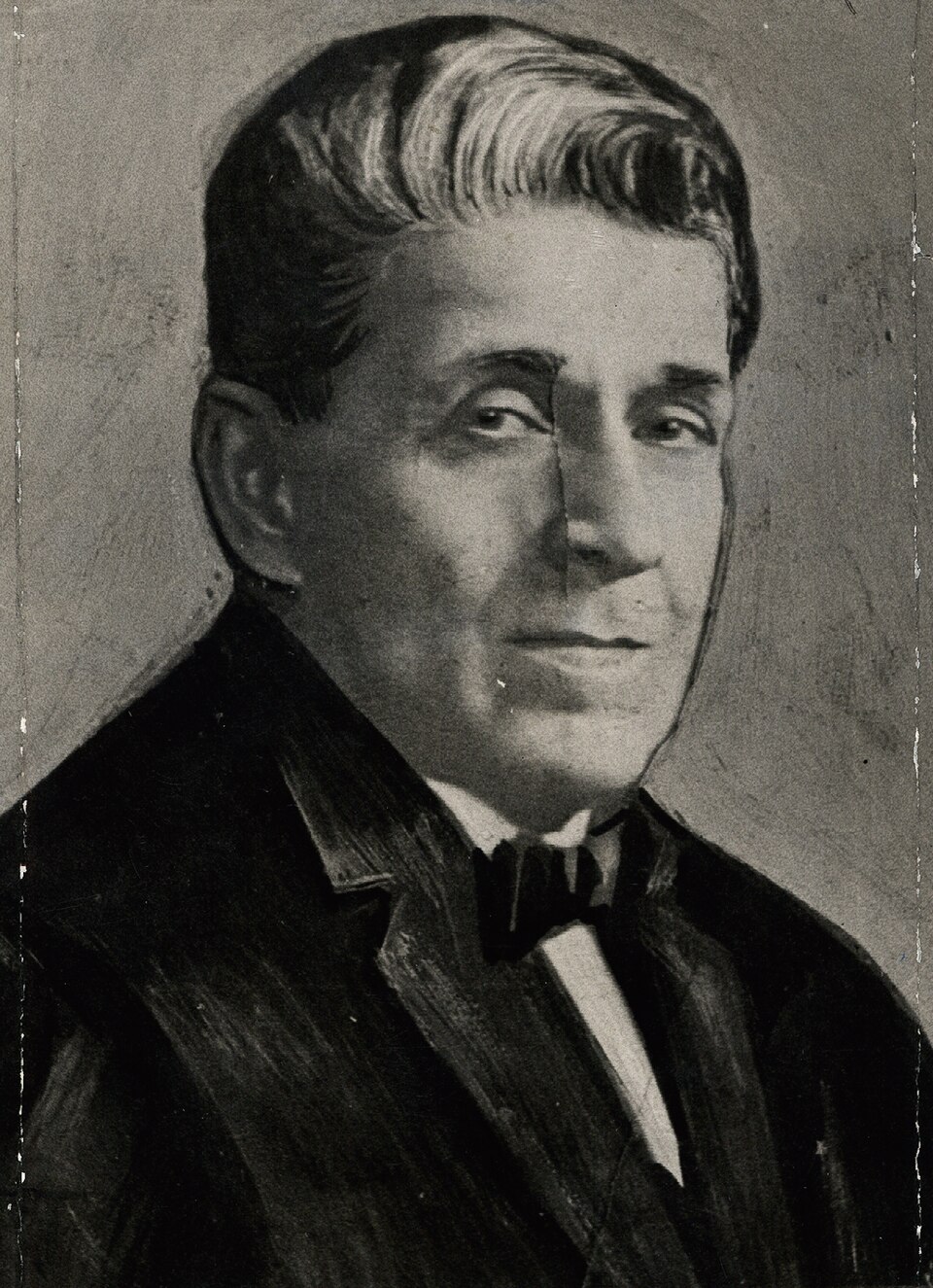
Settling again in Rio de Janeiro by 1876 with her eldest son, João Gualberto, Gonzaga chose the precarious path of an independent professional musician. She gave piano lessons, played inside musical instrument shops, and entered the largely male gatherings of instrumentalists known as chorões. Joining the ensemble led by flautist Joaquim Antônio da Silva Callado, she became the first woman to perform with his group, O Choro do Calado. Adapting the piano to popular urban styles, she scored a major breakthrough in 1877 with the polka Atraente, which she improvised during a choro session. Her emergence provoked sharp criticism from traditional male circles, yet it firmly established her name among the public.

Keep reading in Yester
Coming soon to the App Store
Keep following the story
Sources
Image: Unknown author Unknown author