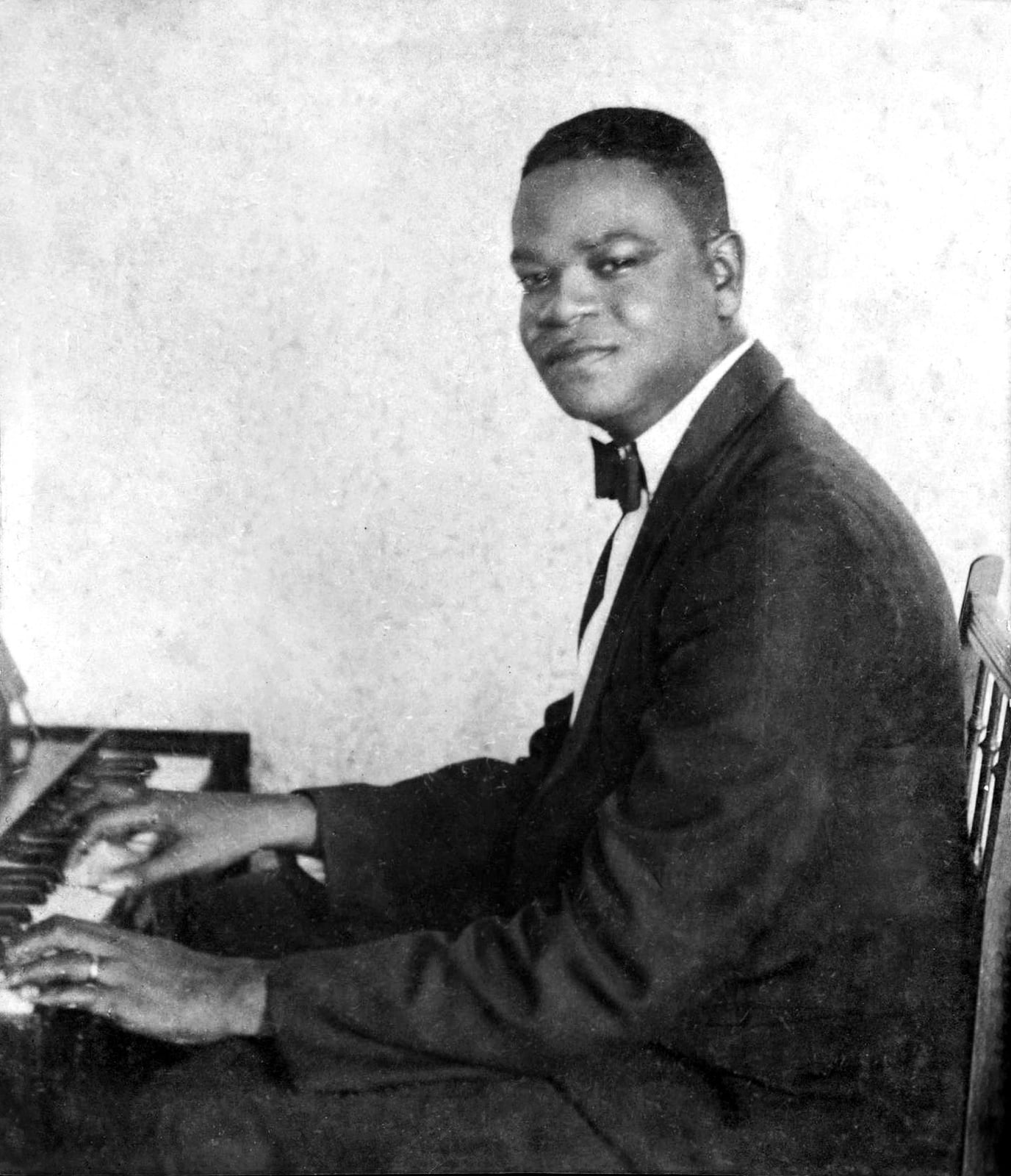
Pixinguinha Carries Choro Across the Atlantic
A Paris engagement brought a Brazilian ensemble into an international entertainment circuit and a debate over national culture.
In 1919, the flutist and composer Alfredo da Rocha Viana Filho, known professionally as Pixinguinha, helped establish Os Oito Batutas in Rio de Janeiro alongside his brother and other musicians. The group initially operated with an acoustic instrumentation centered on strings, flute, and Brazilian percussion, featuring instruments like the cavaquinho and banjo cavaquinho alongside guitars and hand drums. Performing in the foyer of the Cine Palais, the ensemble quickly built a following that rivaled the films shown inside. Their early repertoire reflected the varied urban and rural music circulating in Brazil, presenting sambas, waltzes, polkas, northeastern regional forms, and maxixes during an era before the term choro came into wide use as a formal genre label.
The ensemble's immediate public success revealed deep social divides within Rio de Janeiro. Upper-class patrons often supported Os Oito Batutas because they viewed their music as an authentic domestic expression distinct from foreign imports. However, because the band included both Black and white musicians, their visibility in elite venues provoked racial backlash from sections of the Rio establishment that resisted Black performers occupying prestigious public spaces. Cultural commentators split as well, with conservative critics demanding that Brazilian music adhere strictly to its European heritage while taking offense at the ensemble's integrated personnel and Afro-Brazilian rhythmic foundations.

Keep reading in Yester
Coming soon to the App Store
Keep following the story
Sources
Image: Jucá Costa (derivative work)