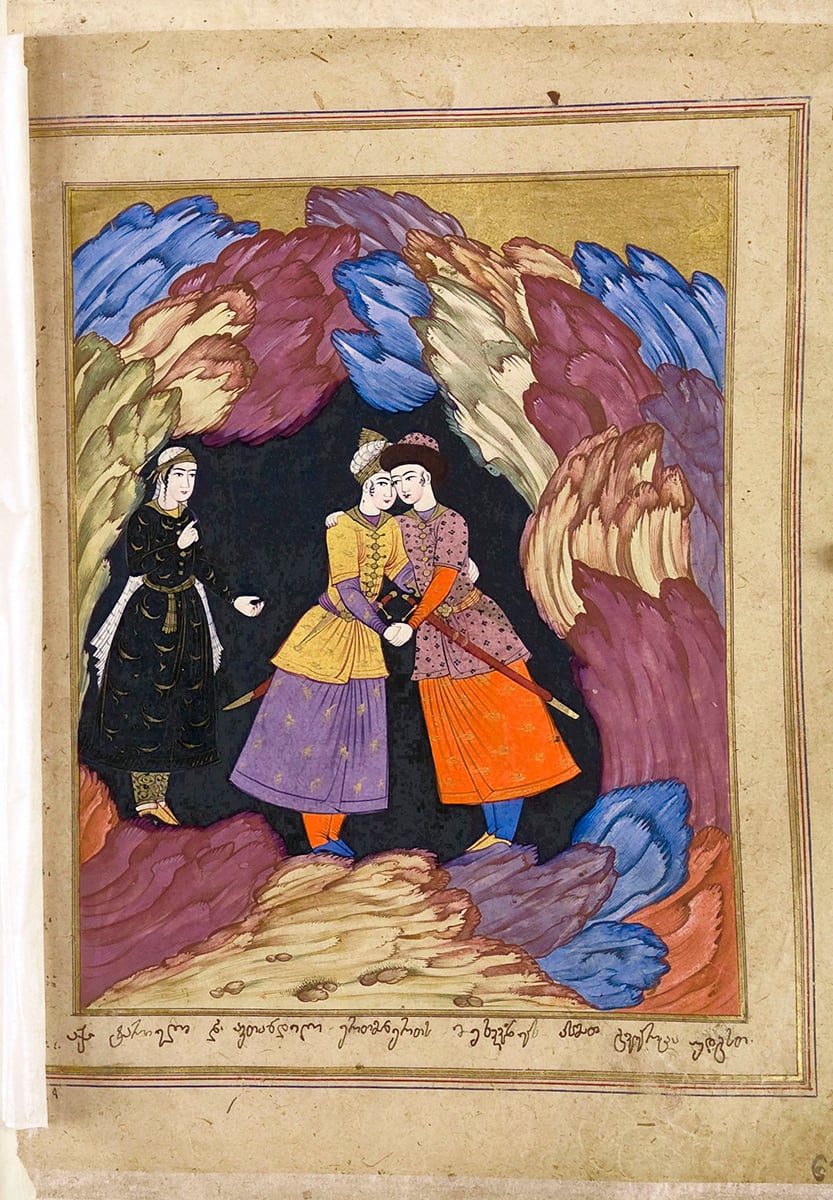
Rustaveli Writes The Knight in the Panther’s Skin
Georgia’s national epic tells of friendship and love among knights of India and Arabia.
During the Georgian Golden Age of the late twelfth and early thirteenth centuries, the Kingdom of Georgia reached its territorial peak, repelled foreign incursions, and maintained trading routes reaching as far as Kievan Rus, the Byzantine Empire, and Ayyubid Egypt. The flourishing monarchy fostered an ambitious culture of secular writing alongside traditional church literature. At the royal court, the poet Shota Rustaveli composed The Knight in the Panther's Skin, a massive epic consisting of more than 1,600 quatrains in the native shairi meter. Rustaveli, born in the Meskhetian village of Rustavi, was closely tied to the crown, possibly holding the administrative role of royal treasurer and participating in state military ventures.
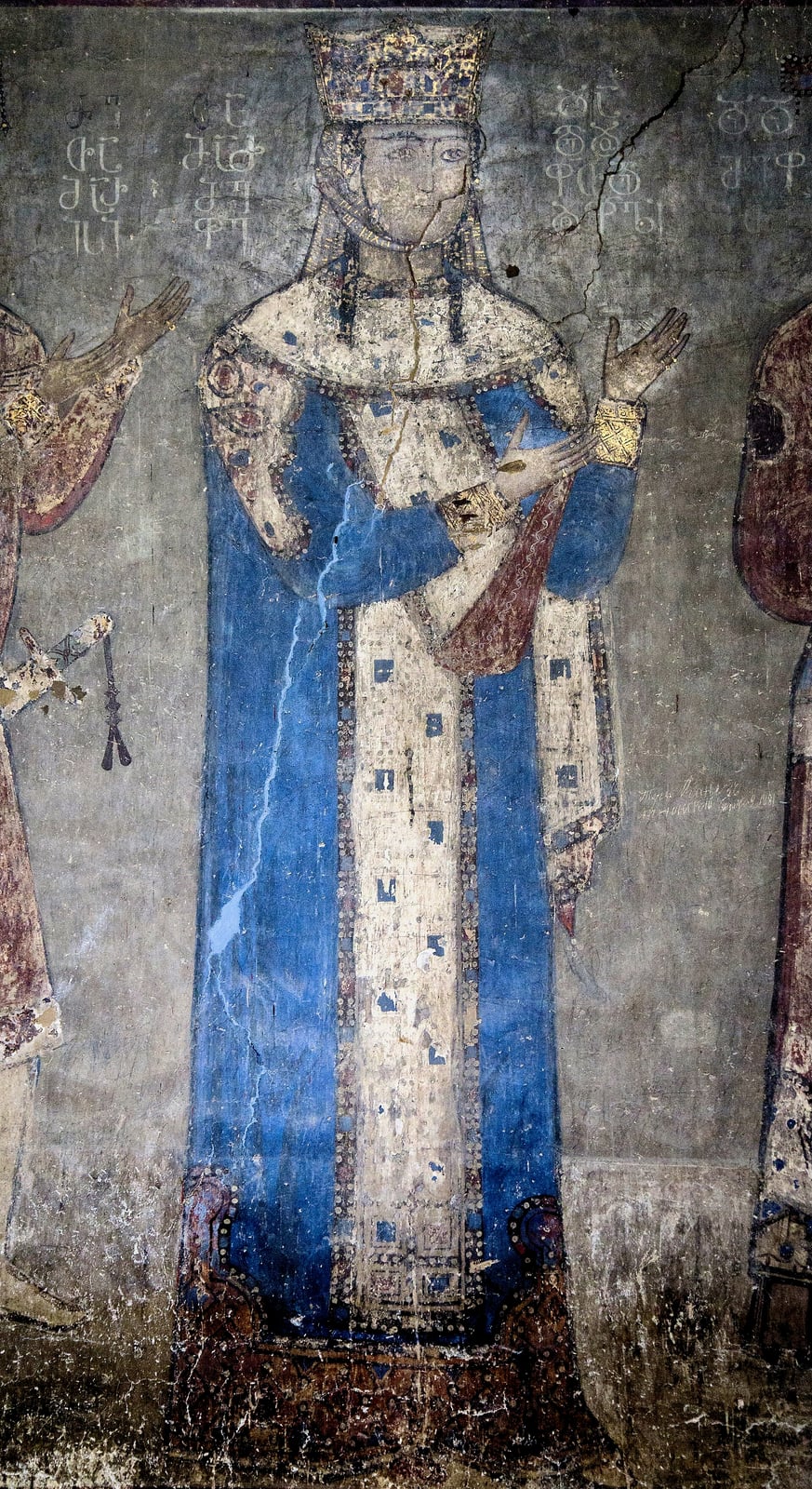
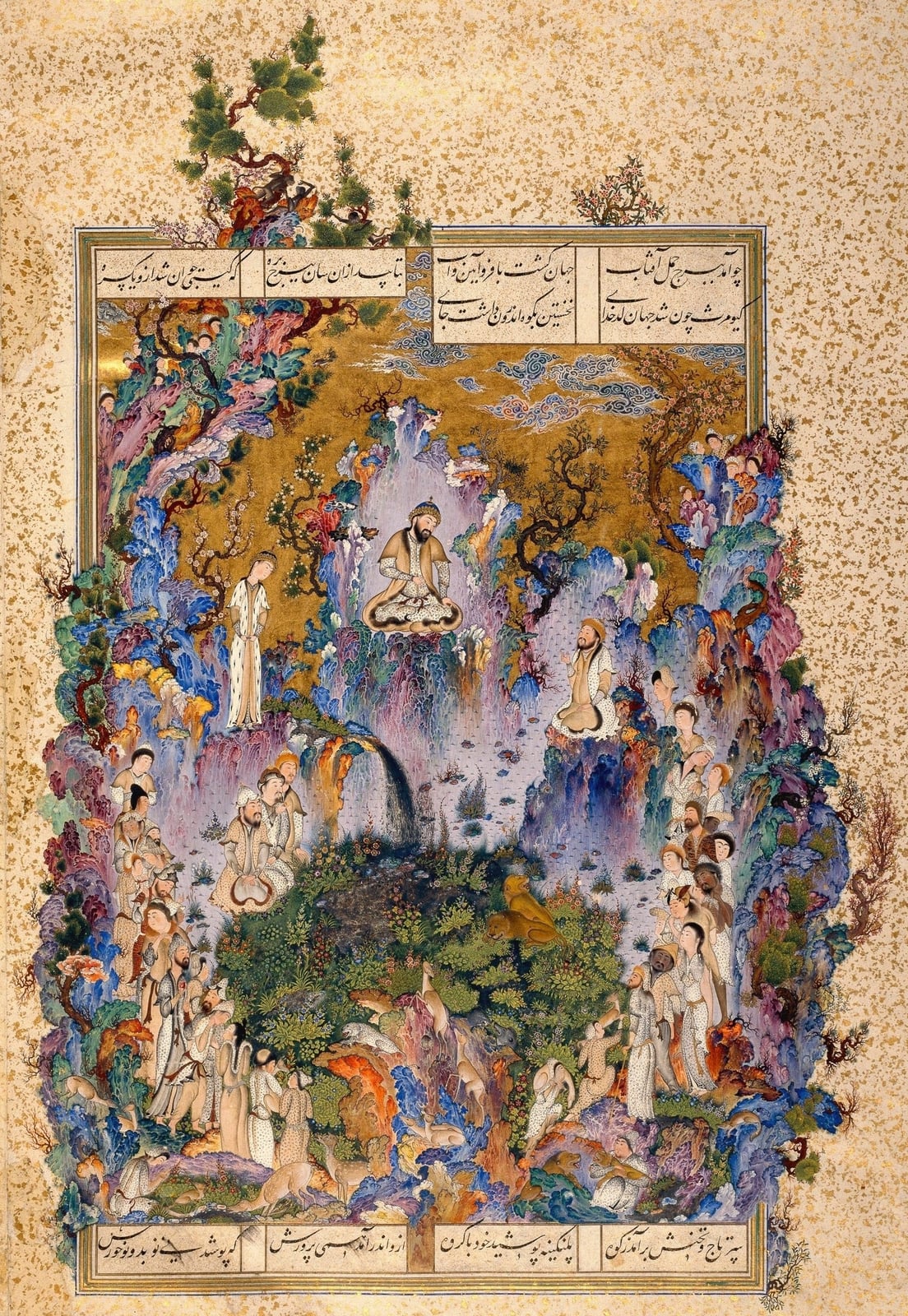
Rustaveli composed the epic to celebrate Queen Tamar, who had ascended to the throne following her father King George III. The narrative, while set in distant and fictionalized realms identified broadly as Arabia, India, and China, reflects contemporary Georgian courtly life and royal succession. The poem opens in Arabia, where the reigning monarch Rostevan confers his crown directly onto his daughter Tinatin. This dynastic succession openly mirrors George III designating Tamar as his heir in 1178. Modern literary scholars note that Rustaveli employed a Persian model for his narrative, describing it in his own prologue as an inherited Persian tale refashioned into the Georgian poetic idiom.

Keep reading in Yester
Coming soon to the App Store
Keep following the story
Sources
Image: Unknown author Unknown author