A Treaty Bans Anti-Personnel Landmines
A campaign of governments and citizens produced a ban on landmines.
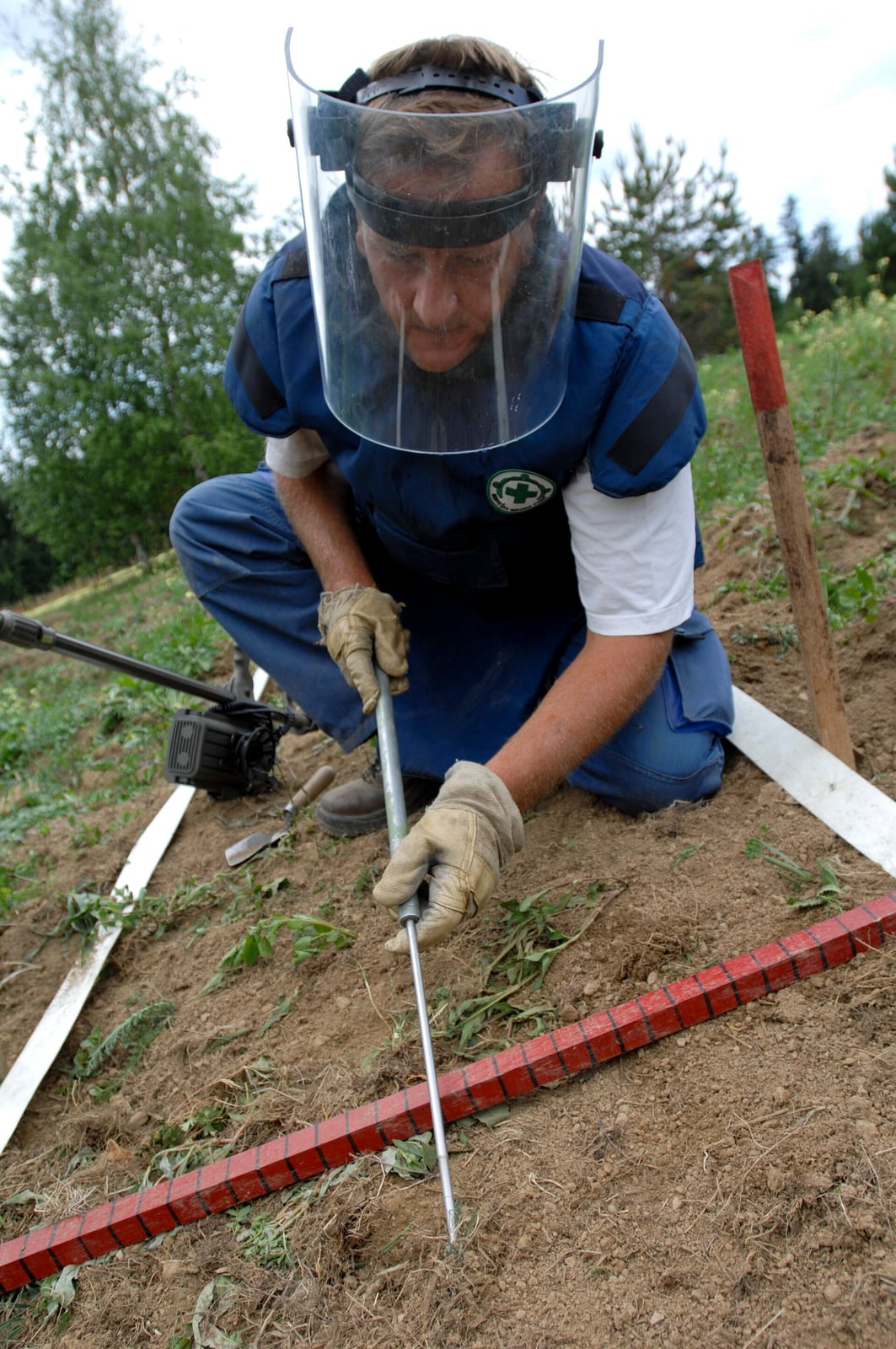
Anti-personnel landmines saw widespread deployment starting in the Second World War, leaving behind hidden dangers that persisted long after active conflicts ceased. Early international efforts to address the threat focused on regulation rather than prohibition. The 1980 Convention on Certain Conventional Weapons introduced Protocol II to limit the use of mines and booby-traps, but its restrictions did not stop the growing toll on civilian populations. Frustrated by the inadequacy of existing rules, non-governmental organizations began coordinating in 1991 and in October 1992 formally launched the International Campaign to Ban Landmines, coordinating global civic efforts to demand a total prohibition on the weapon.
Humanitarian appeals intensified in 1994 when the International Committee of the Red Cross declared that a complete global ban was the only effective solution to the crisis. While individual countries began taking legislative steps, including Belgium passing the first national ban on anti-personnel landmines in 1995, international diplomatic negotiations moved slowly. A review conference for the Convention on Certain Conventional Weapons adopted an amended protocol in May 1996, but humanitarian groups and several governments viewed its revised restrictions as far too weak to address the humanitarian emergency.

Keep reading in Yester
Coming soon to the App Store
Keep following the story
Sources
- International Campaign to Ban Landmines: History (NobelPrize.org)
- The Nobel Peace Prize 1997: Press release (NobelPrize.org)
- Anti-Personnel Landmines Convention (UN Office for Disarmament Affairs)
- The Ottawa Process: Overview (Anti-Personnel Mine Ban Convention Implementation Support Unit)
- 122 States Sign Ottawa Landmine Treaty (Arms Control Association)
- Land Mines (The Canadian Encyclopedia)
- International Campaign to Ban Landmines (Human Rights Watch Landmine Monitor 1999)
- Ottawa Treaty
Image: Werner Anderson of Norsk Folkehjelp Norwegian People's Aid from Norway