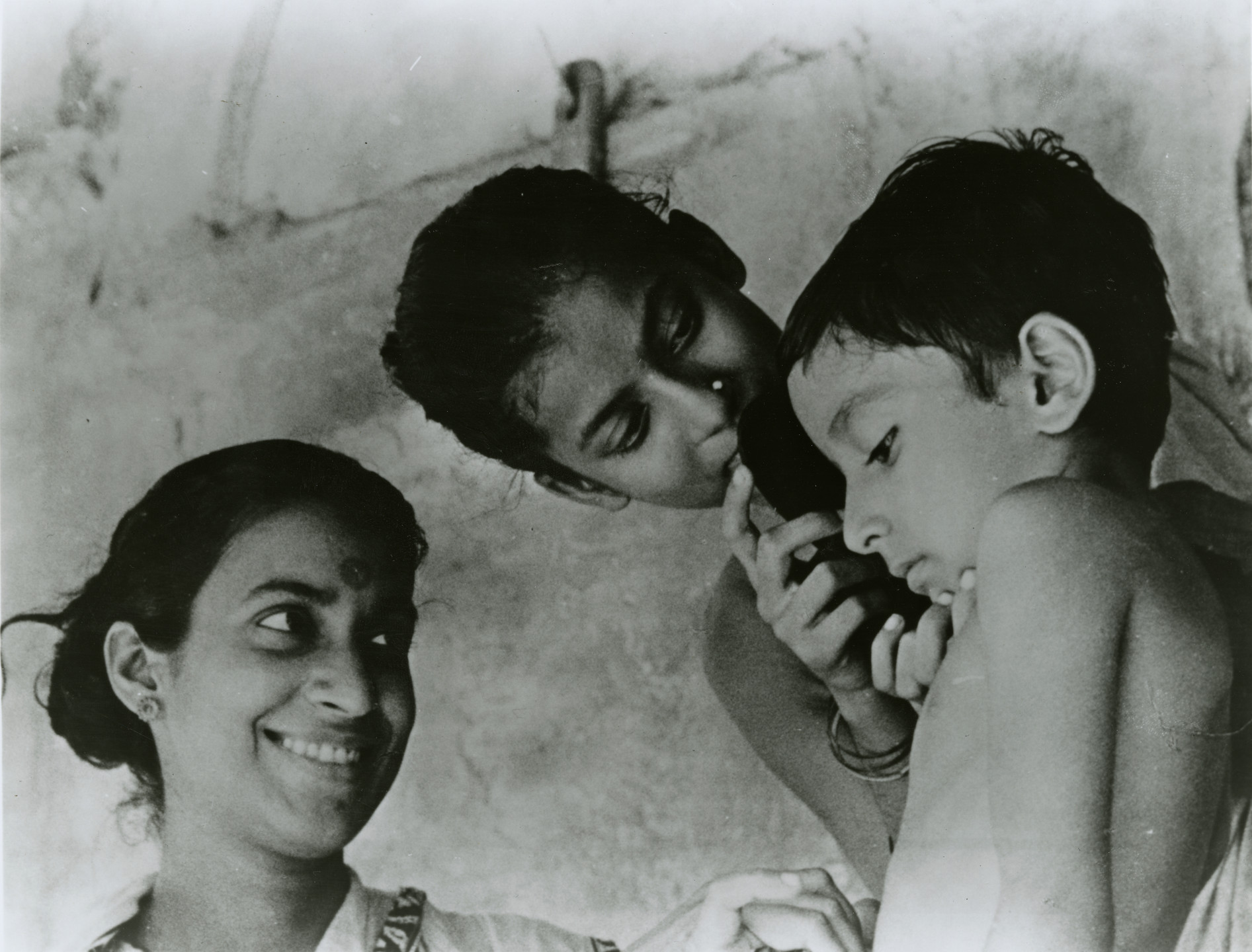
Pather Panchali Finds a Different Pace for Indian Cinema
A debut feature built from a Bengali novel reached international audiences without turning everyday life into a simple spectacle.
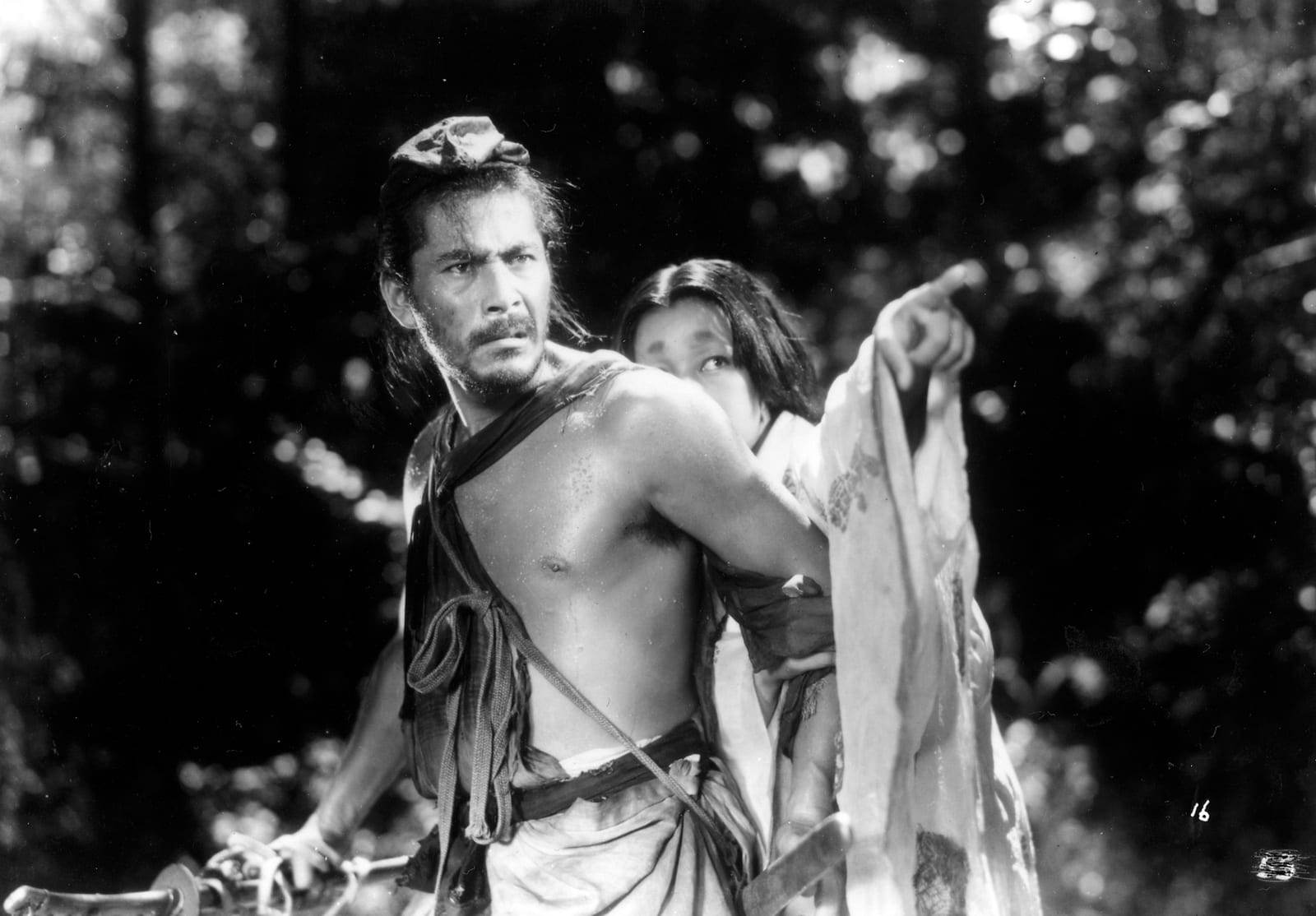
In 1944, while working as a graphic designer in Calcutta, Satyajit Ray illustrated an abridged edition of Bibhutibhushan Bandyopadhyay's 1929 Bengali novel Pather Panchali. The assignment prompted Ray to read the unabridged book, which depicts the economic hardships of a rural family through the childhood of a boy named Apu and his older sister Durga. Encouraged by the publisher, Ray began contemplating a cinematic adaptation. Drawing additional inspiration from Western realist traditions, such as Vittorio De Sica's Bicycle Thieves, and the global reception achieved by Akira Kurosawa's Japanese feature film Rashomon, Ray believed a realistic narrative set in an authentic environment could engage audiences far beyond Bengal.
Ray opted against drafting a standard screenplay. Instead, he planned the adaptation using sketches and notes, many composed during a 1950 sea voyage to and from London. These drawings formed a visual storyboard designed to guide continuity and scene structure. Ray modified Bandyopadhyay's original narrative to better suit cinema, altering the circumstances surrounding the death of the elderly relative Indir Thakrun, introducing a sequence in which the children run toward a passing train, and attributing Durga's terminal fever to an intense monsoon storm. The cast combined professional talent with amateurs, including neighborhood boy Subir Banerjee as Apu and retired stage performer Chunibala Devi as Indir.

Keep reading in Yester
Coming soon to the App Store
Keep following the story

Sources
Image: Satyajit Ray/Government of West Bengal