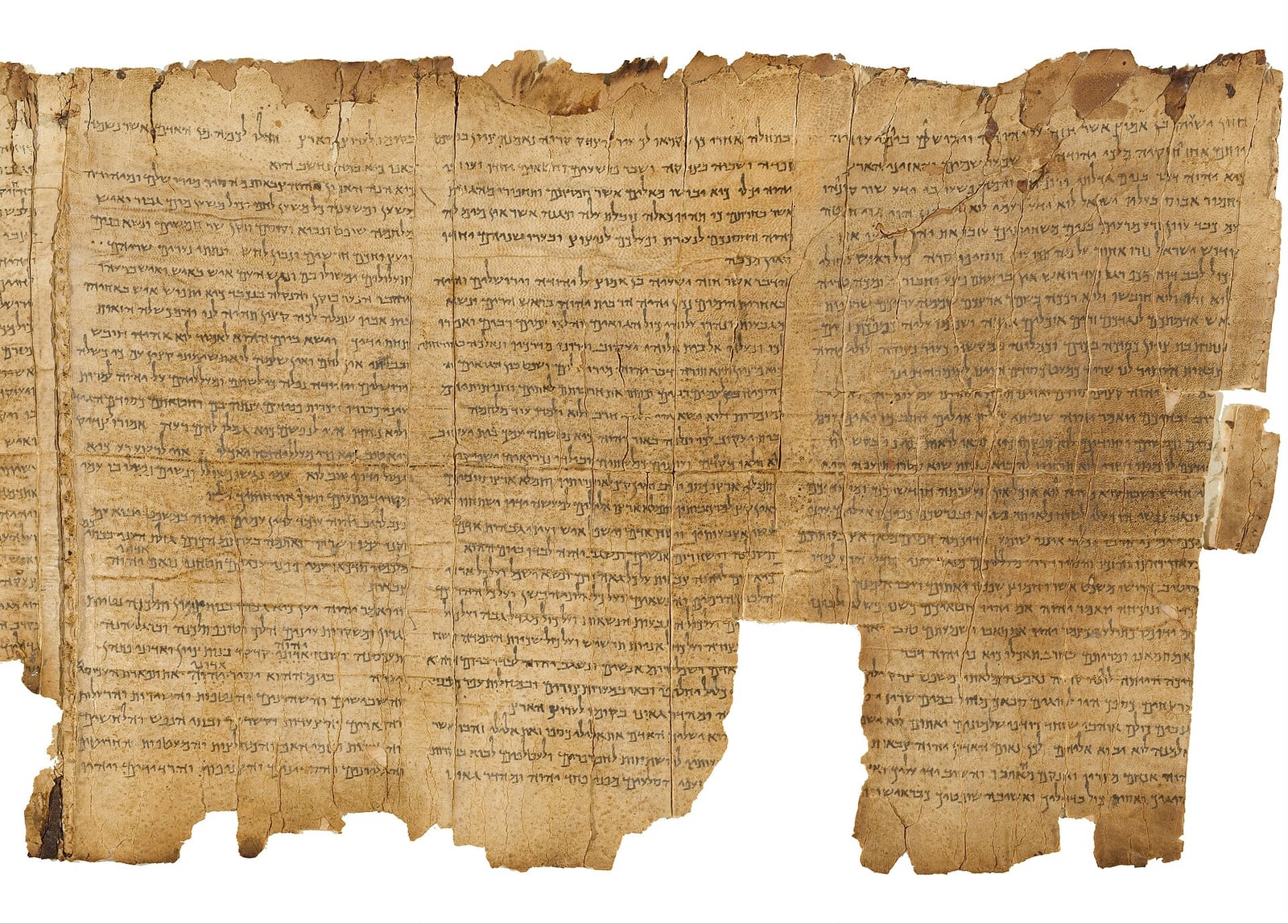
Willard Libby Develops Radiocarbon Dating
Carbon-14 gave archaeology a clock.
In the late 1940s, physical chemist Willard Libby developed a technique at the University of Chicago that fundamentally altered how scholars established chronological timelines. During World War II, while at the University of California, Berkeley, Libby learned of research by Serge A. Korff predicting that cosmic rays striking atmospheric nitrogen would produce carbon-14. Recognizing that this radioactive isotope would disperse through the atmosphere and enter living tissue, Libby moved to Chicago in 1945 to investigate whether the steady decay of carbon-14 could serve as an absolute measure of time for biological remains.
The physical basis of the technique relies on the constant production of carbon-14 in the upper troposphere and lower stratosphere, where it oxidizes into carbon dioxide. Living organisms absorb this carbon continuously through photosynthesis or the consumption of plants, maintaining an isotopic balance with their environment. Upon death, an organism stops assimilating carbon, leaving the trapped carbon-14 to decay into nitrogen-14 through beta emission. Because the isotope possesses a half-life of roughly 5,730 years, measuring the remaining activity enables scientists to calculate how much time has passed since the organism perished, reaching back roughly 50,000 years.

Keep reading in Yester
Coming soon to the App Store
Keep following the story

Sources
- The Nobel Prize in Chemistry 1960 (Nobel Foundation)
- Willard F. Libby, Biographical (Nobel Foundation)
- Carbon-14: the clock that starts ticking when something dies (Nobel Foundation)
- National Historic Chemical Landmarks: Honoring the Discovery of Radiocarbon Dating (American Chemical Society)
- Libby's Test Tube: radiocarbon history (Texas Beyond History, University of Texas at Austin)
- Willard Libby, Scientist of the Day (Linda Hall Library)
- Radiocarbon dating
Image: Unknown author Unknown author