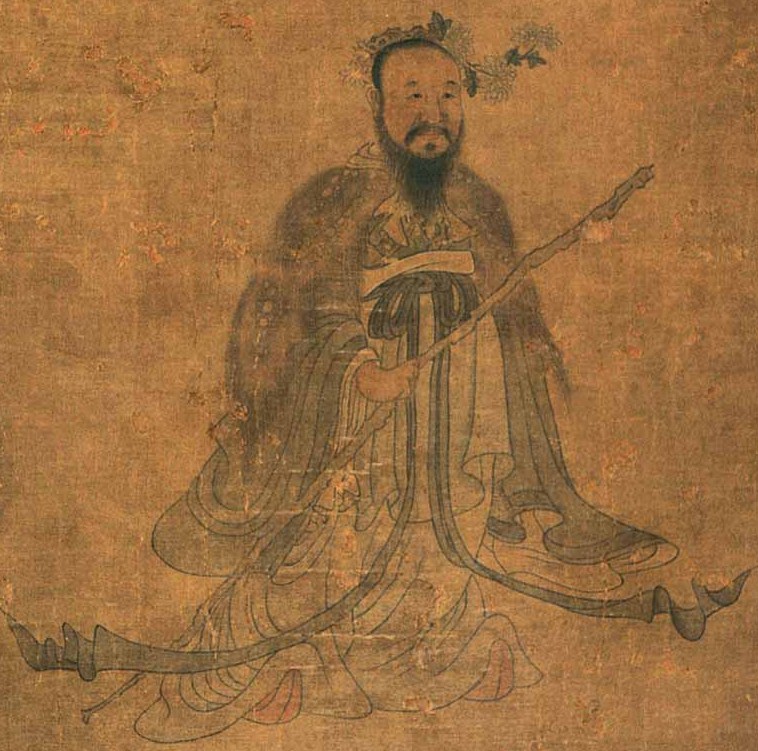
Qu Yuan’s Death Inspires the Dragon Boat Festival
Tradition says boats raced out on the Miluo River to search for the exiled poet.
In 278 BC, according to classical tradition, the poet and former court minister Qu Yuan chose to end his life by wading into the Miluo River with a heavy stone. News had reached him that General Bai Qi of the rival Qin state had captured Ying, the capital of Qu's native state of Chu. Distraught over the ruin of his homeland and alienated after years of banishment, Qu died in the waters of what is now Hunan Province. This act of protest and despair formed the core of a lasting narrative, transforming an exiled statesman into one of the most enduring symbols of literary integrity and personal loyalty in Chinese history.
The details of Qu Yuan's life survive primarily through accounts composed long after his death. The earliest preserved written mention occurs in Jia Yi's second-century BC work Lament for Qu Yuan, while the first full biographical sketch appears in the Records of the Grand Historian by the Han dynasty chronicler Sima Qian. Sima reported that Qu was a member of the Chu royal clan who served as Left Minister under King Huai during the Warring States period. When rivals slandered him, King Huai exiled Qu north of the Han River. Although Qu returned to diplomatic service to rebuild ties with the state of Qi, a second wave of political intrigue under King Qingxiang forced him into a prolonged southern exile south of the Yangtze River.

Keep reading in Yester
Coming soon to the App Store
Keep following the story
Sources
Image: Chen Hongshou